8 Foods You Should Never Cook in an Instant Pot
Just because your Instant Pot can cook something doesn’t mean it will give you the result you’re craving.
Imagine preparing fried chicken only to discover that the coating has lost its crunch. Or cutting into a steak that was supposed to have a beautifully browned crust and a medium-rare center, only to find something entirely different.
The problem isn’t necessarily the food or the appliance. It’s the cooking method. An Instant Pot’s pressure-cooking function works wonderfully for many dishes, but certain foods depend on textures and finishes that pressure cooking struggles to deliver.
Here are eight foods worth cooking another way when flavor, texture, and presentation are the priorities.
Breaded Fried Chicken
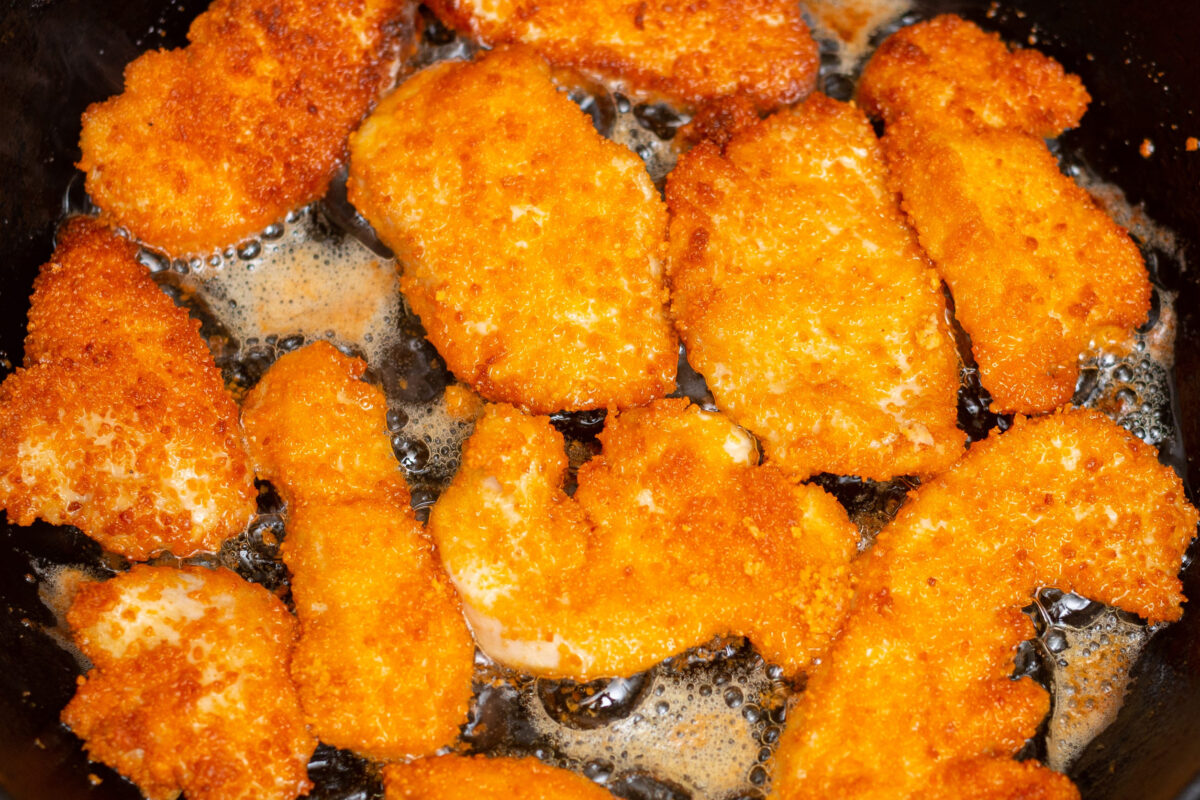
There’s something satisfying about biting into fried chicken and hearing that unmistakable crunch. The golden coating is just as important as the meat underneath, which is why pressure cooking can leave fried chicken lovers disappointed.
A standard Instant Pot’s pressure-cooking function isn’t designed to create the crispy breading associated with traditional fried chicken. While it can cook chicken, producing that beautifully crunchy exterior is another matter.
Instead of the crisp finish you’re expecting, the breading won’t develop the same fried texture. For traditional fried chicken, conventional frying remains the better choice. A Southern-style fried chicken recipe uses seasoned flour and hot oil to create that golden, crunchy coating, something pressure-cooking mode isn’t designed to deliver. An appropriate air-fryer method can also produce a crispy finish.
That doesn’t mean your Instant Pot has no place in chicken preparation. Pressure cooking can be one stage of a recipe before the exterior is crisped separately. Models equipped with a dedicated air-frying function also offer another option.
The distinction is simple: Cooking the chicken and creating its crunchy coating require different techniques.
Steak You Want Medium-Rare With a Seared Crust
A great steak is about contrast. You want a beautifully browned exterior and an interior cooked exactly the way you like it. If medium-rare steak with a seared crust is your goal, pressure cooking isn’t the most suitable method.
The Instant Pot is better suited to dishes where a tender, braised result is desirable. That makes it useful for certain beef preparations, but less appealing when you’re trying to recreate a steakhouse-style finish.
A hot skillet or grill gives you a more appropriate way to develop that browned crust while controlling the steak’s interior doneness. This pan-seared steak method, for example, uses a hot pan and herby garlic-butter basting to achieve a restaurant-style result at home.
This doesn’t mean beef should stay out of your Instant Pot. Beef stew and braised cuts are excellent examples of dishes that suit pressure cooking. But when dinner calls for a steak with a deeply browned exterior and a carefully cooked center, reach for the skillet or grill instead.
Cream-Heavy Sauces and Cheese Sauces Added Before Pressure Cooking
A creamy sauce can turn an ordinary dinner into something special, but its smooth consistency deserves attention. Adding large amounts of cream or cheese before pressure cooking can sometimes produce disappointing results.
Dairy ingredients may settle or curdle during cooking, leaving a sauce with an uneven consistency instead of the smooth finish you expected. Thickened sauces present another challenge. Ingredients can collect at the bottom of the pot, potentially triggering a burn notice.
Fortunately, the solution doesn’t require abandoning your Instant Pot. You can pressure-cook the other ingredients first, then incorporate the dairy afterward. Alternatively, prepare your sauce on the stovetop, where you can stir it and monitor its consistency. When making a cheese sauce, using gentle heat and adding the cheese gradually helps preserve the smooth finish you’re after.
Not every dairy-based recipe has this problem. Some diluted dairy mixtures work successfully, and Instant Pot recipes for yogurt and cheesecake demonstrate that dairy isn’t universally unsuitable. The important consideration is how and when you add it.
Related: Why Some People Love Spicy Food, and Others Can’t Stand It, According to Science
Pasta When You Want Perfect Al Dente Texture
Pasta seems like an obvious candidate for a one-pot dinner. After all, who wouldn’t appreciate cooking everything in one appliance? But if you’re particular about achieving that slightly firm al dente bite, pressure cooking can be less forgiving.
Pasta prepared under pressure may turn out unevenly cooked, overly soft, or gummy. That can be frustrating when the texture is supposed to be one of the dish’s main attractions.
Boiling pasta on the stovetop offers a more straightforward way to monitor how it’s cooking and decide when it has reached your preferred consistency.
Still, this isn’t a reason to dismiss Instant Pot pasta recipes altogether. Tested one-pot recipes, including pasta cooked with meat sauce, demonstrate that pressure cooking can produce successful results when the method and timing are carefully developed.
For a convenient one-pot dinner, the Instant Pot remains an option. But when precise pasta texture matters most, traditional stovetop boiling gives you greater control.
Delicate Fish Fillets When You Want Crisp Skin
Fish can be one of those dishes where the smallest difference in cooking makes a noticeable difference on the plate. Delicate fillets are particularly sensitive to cooking methods that don’t match their intended texture.
Under pressure, seafood can become overly soft or develop a rubbery consistency if the timing isn’t appropriate. And if you’re hoping for beautifully crisp skin, pressure cooking alone won’t provide that finish.
A skillet is often the better choice when you want to monitor doneness closely while developing a crisp exterior. However, pressure-cooked fish isn’t automatically disappointing.
Amy + Jacky has published carefully tested Instant Pot salmon methods, including one using a zero-minute pressure setting and a specified pressure-release period. Its crispy-skin method treats pressure cooking and crisping the exterior as separate steps.
That approach illustrates the real issue: The Instant Pot can cook fish, but getting a particular finish may require additional attention.
If crisp skin is the highlight of your dinner, a skillet is the more direct route.
Cookies With Crisp Edges and Browned Tops
Few things beat a freshly baked cookie with a golden top, slightly crisp edges, and a satisfying texture in the middle. Those details are exactly why conventional cookies aren’t ideal candidates for pressure cooking.
Pressure-cooked desserts tend toward a moist, steamed finish rather than the browned surfaces associated with oven baking.
That’s not necessarily a bad result for every dessert, but it misses the point when you’re craving a classic cookie. A conventional oven or toaster oven is the better tool for cookies whose appeal depends on browned tops and crisp or chewy edges. An appropriate air-fryer recipe may also deliver the finish you’re looking for.
If your Instant Pot has a separate air-frying feature, that’s a different situation from using its pressure-cooking mode. For traditional cookies, stick with a baking method designed to produce that familiar exterior.
Related: 5 Protein-Packed Foods That Make Meatless Dinners Feel Like a Real Meal
Brownies When You Love the Chewy Edge Pieces
Every brownie pan seems to inspire the same debate: Are you reaching for a soft center piece or one of those chewy corners? If the edges are your favorite, pressure cooking might not satisfy your expectations.
Traditional oven baking creates the firmer, chewy perimeter that makes edge brownies so appealing. Pressure-cooked brownie batter, meanwhile, develops a moist, steamed texture.
The resulting dessert can still be enjoyable, but it isn’t the same experience as biting into a brownie with a distinct baked crust. For brownies where the chewy corners are the main attraction, a conventional oven is the better choice.
That doesn’t mean an Instant Pot can’t prepare chocolate desserts. Instant Pot itself has published a Nutty Brownie Cake recipe, demonstrating that pressure cooking can produce a different but legitimate brownie-style treat.
The question isn’t whether the dessert can be made. It’s whether you’re getting the texture you wanted in the first place.
Red or Yellow Lentils When You Want Them to Hold Their Shape
Lentils can be wonderfully versatile, but not every variety behaves the same way during pressure cooking. Red and yellow lentils are particularly prone to breaking down, making them less suitable when you want individual lentils to remain clearly defined.
Instead of holding their shape, they may become softer and blend into the surrounding ingredients. That consistency can be exactly what you want in certain dishes. Creamy dal, for example, benefits from lentils that soften and become integrated into the finished meal.
My Heart Beets even features an Instant Pot red lentil dal recipe built around that creamy result. But if your recipe depends on lentils retaining their individual shape, stovetop cooking offers a more controllable approach.
Brown and green lentils generally hold up better to pressure cooking than red and yellow varieties, making the type of lentil an important consideration.
The lesson isn’t to avoid pressure-cooking lentils. It’s to match the variety and cooking method to the texture your recipe needs.
Your Instant Pot doesn’t have to replace every appliance in your kitchen to earn its place on the counter. Some dishes benefit from pressure cooking, while others depend on browning, crisping, or carefully controlled textures that different methods deliver more effectively.
Whether you’re after crunchy fried chicken, perfectly seared steak, or brownies with chewy corners, choosing the right technique can make all the difference.
The smartest kitchen shortcut isn’t always using one appliance for everything. Sometimes, it’s knowing when to use something else.