7 Things Customers Steal The Most From Grocery Stores
A trip to the grocery store usually involves checking prices, comparing brands, and deciding what to make for dinner. But behind the scenes, retailers are dealing with another challenge: products disappearing from store shelves without being paid for.
Some of the items attracting shoplifters are predictable. Meat and alcoholic beverages have appeared prominently in theft reports. Others are a little less obvious. Coffee, chocolate, cheese, and even olive oil have become notable targets in different countries.
The interesting part? Grocery theft doesn’t follow the same pattern everywhere. Reports from Canada, Europe, and the United States reveal how certain everyday products can attract attention, sometimes because of their value or potential for resale.
Here are seven grocery store items that have appeared in documented shoplifting reports and investigations.
Meat
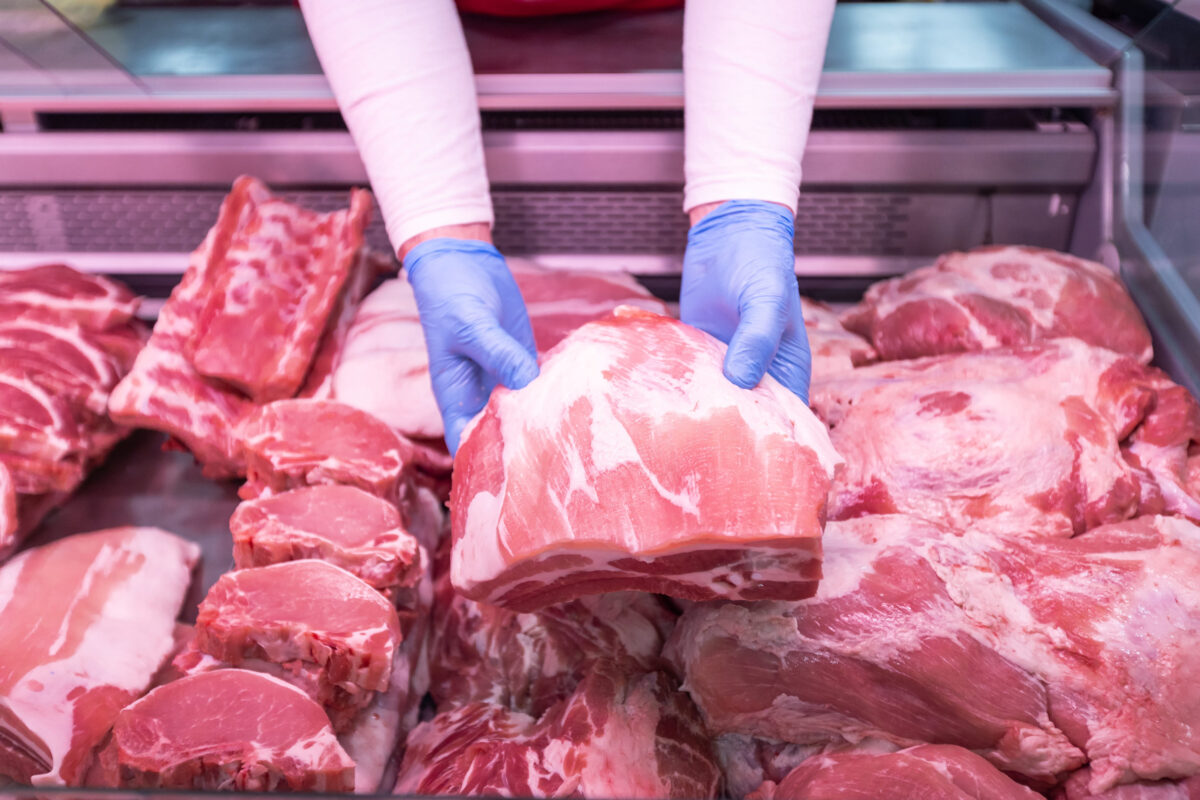
Meat isn’t just a familiar item on grocery shopping lists. It has also appeared near the top of reported grocery theft categories.
According to a Canadian Press report published by Global News on February 8, 2022, industry experts identified meat as Canada’s most-stolen grocery item.
The report also referenced Canada’s Food Price Report, which described anecdotal accounts from grocers about increased theft involving meat and other products.
The pattern wasn’t limited to Canada. Reuters reported in March 2026 that a study covering 15 European countries placed meat behind alcohol and health-and-beauty products among supermarket theft targets.
Those findings come from different markets and reporting periods, but they point to something worth noticing: an everyday dinner ingredient can also represent a significant retail theft concern.
Cheese
Cheese might seem like an unlikely contender in discussions about grocery theft. Yet Canadian industry reporting has given it a surprisingly prominent position.
The February 2022 Canadian Press report identified cheese as the second-most-stolen grocery item in Canada, behind meat, according to industry experts.
That finding resurfaced in November 2024, when CBC covered cheese thefts and referenced the earlier report.
It’s an interesting contrast. Most shoppers associate cheese with sandwiches, cooking, or a quick addition to the grocery basket, not retail crime.
Still, the Canadian findings show that theft concerns aren’t limited to products traditionally considered expensive or luxurious.
There’s an important distinction, though. This was a country-specific finding from 2022, not evidence that cheese holds the same position in American grocery stores or supermarkets worldwide.
Alcoholic Beverages
Alcoholic beverages stand out more clearly in international grocery theft reporting. According to Reuters reporting published by The Straits Times, a March 2026 study conducted by Spanish security analysis company STC and its partners examined supermarket theft patterns across 15 European countries.
Alcohol topped the study’s overall theft rankings and appeared among the five most-stolen product categories in nearly every surveyed country.
It ranked first in Italy, Germany, Spain, Ireland, and Belgium. The study also found that much of the shoplifting activity it examined was connected to resale. High-value, branded, and gourmet products were especially attractive to thieves.
That provides an important distinction between casual assumptions about shoplifting and the activity documented in the report.
While alcohol emerged as a leading target across much of the European study, the findings shouldn’t be mistaken for a worldwide ranking or proof that every alcohol theft involves resale.
Related: Annoying Grocery Store Habits Boomers Can’t Stand
Chocolate
Chocolate might be one of the most unexpected products on this list, especially considering how ordinary it looks alongside other supermarket purchases.
Yet Reuters’ March 2026 reporting identified chocolate as a significant theft target in the study covering 15 European countries.
In the overall ranking, chocolate appeared after alcohol, health-and-beauty products, and meat. The report also highlighted chocolate and sweets as prominent shoplifting targets in Britain.
That detail makes chocolate particularly interesting. A product many shoppers associate with desserts, snacks, and occasional treats can also feature in broader retail theft patterns.
The study linked supermarket theft more generally to the resale appeal of valuable and branded products, although it did not establish specific motives for every chocolate theft.
Nor did it identify particular chocolate brands or package sizes as universal favorites among shoplifters.
The evidence is about chocolate as a product category, not a particular candy bar.
Coffee
For many households, coffee is simply another grocery staple. In parts of Europe, however, it has attracted considerable attention in supermarket theft reporting.
Reuters reported in March 2026 that coffee followed chocolate in the overall theft ranking from the 15-country European study.
Even more notably, coffee ranked as the most-stolen supermarket item in France and the Netherlands within that study.
That’s a striking finding for something shoppers routinely add to their baskets without much thought. The research emphasized how resale demand can make valuable branded merchandise attractive to thieves.
However, the report did not establish that a particular kind of coffee, such as instant coffee or premium beans, accounted for the thefts.
The takeaway is straightforward: coffee was a leading theft target in two countries surveyed, illustrating just how much the products attracting shoplifters can differ between markets.
Related: 7 Alarming Ways Rising Costs Are Shrinking the American Grocery Cart
Olive Oil
Olive oil offers one of the clearest examples of how changes in product value can affect retail security. On November 20, 2023, Reuters reported that supermarkets in Spain were increasing security around olive oil as prices climbed and thefts increased.
Ruben Navarro, chief executive of Spanish supermarket chain Tu Super, described olive oil as a theft target and said organized groups were stealing it for resale.
Other retailers, including Carrefour and Auchan, were also using security tags on olive oil bottles.
The situation remained notable in 2024. According to Sky News reporting from March 9 that year, an STC survey ranked olive oil as Spain’s second-most-stolen supermarket product, behind spirits. It held the top position in eight Spanish regions.
For ordinary grocery shoppers, the example illustrates how even a familiar cooking ingredient can become a significant retail security concern when its value increases.
Infant Formula
Infant formula appears on this list because of a recent American retail theft investigation, rather than a nationwide ranking.
On September 10, 2026, WFLX reported that Florida authorities had announced arrests connected to an alleged baby-formula theft operation.
Investigators said the case involved more than 150 thefts from retailers including Publix, Walmart, Target, Walgreens, and CVS. Authorities estimated that the alleged operation involved more than $1 million in stolen merchandise.
Investigators also reported recovering approximately 1,000 cans of infant formula, with an estimated retail value of $38,000.
According to authorities, the alleged operation involved stolen formula being purchased and resold for profit. Those figures illustrate the scale of this particular investigation.
However, one case, even a substantial one, cannot establish how frequently infant formula is stolen compared with other products across the United States. The allegations also should not be confused with proven convictions.
What These Grocery Theft Patterns Really Tell Us
Grocery theft isn’t confined to one type of product, and the same items don’t necessarily dominate reports in every country.
The examples from Canada, Europe, Spain, and the United States reveal different patterns, including documented cases involving valuable merchandise and alleged resale operations.
Perhaps the most interesting takeaway is how ordinary some of these products are. Items that shoppers barely think twice about can become serious concerns for retailers, depending on local circumstances, product values, and documented theft activity.