7 Foods That Became Much More Popular in America Since the 1990s
Think back to an American grocery store in the 1990s. The yogurt section looked different, oat milk was hardly a standard coffee shop request, and cauliflower crust pizza wasn’t a familiar freezer aisle option. Fast forward three decades, and the choices have changed dramatically. Many foods that once had a smaller presence in mainstream American supermarkets and restaurants are now much easier to find. Some gained popularity through expanded imports, while others benefited from clever packaging, restaurant chains, and national grocery distribution.
Of course, these foods weren’t necessarily new. Many had been enjoyed in different cultures and American communities for generations. What changed was how widely they were sold. Here are eight foods that show just how much American eating habits and shopping options have evolved.
Oat Milk
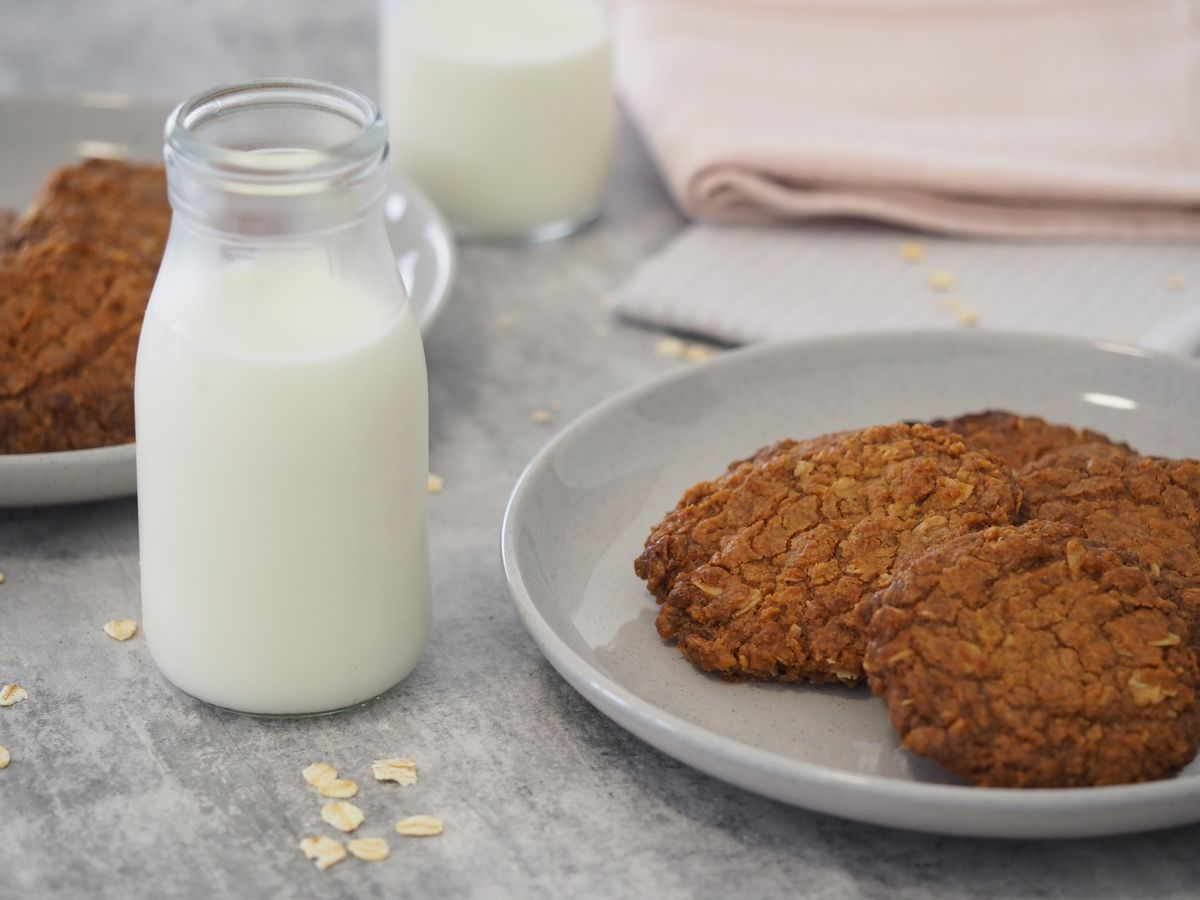
Oat milk might seem like a relatively recent coffee shop invention, but it has been around longer than many people realize. According to BevNET, Pacific Foods introduced an oat-based beverage in 1996. However, ordering an oat milk latte wasn’t exactly an everyday experience back then.
Things changed when Swedish company Oatly entered American cafés in 2016. The beverage gained another major boost in 2021 when Starbucks introduced Oatly across its U.S. stores. Today, oat milk is an established option for coffee drinks, cereal, and home cooking. Its journey shows how a product can exist for decades before becoming a familiar choice on café menus.
Related Post: 8 Foods Uncommon 30 Years Ago That Are Now Everywhere
Greek Yogurt
Remember when the yogurt section mostly revolved around familiar flavored cups? Greek yogurt eventually changed that picture. Strained yogurt has a long history in Greek food traditions, but its commercial presence in America was much smaller during the 1990s. FAGE began exporting its products to the United States in 1998, helping introduce more shoppers to the category.
The real expansion happened during the following decade. Chobani launched in 2007, and other major yogurt manufacturers eventually developed competing products. According to ABC News, Greek yogurt grew from just 1% of American yogurt sales in 2007 to 44% in 2013. That’s a remarkable transformation for a grocery category that had occupied a much smaller corner of the market.
Bubble Tea
Those colorful drinks filled with chewy tapioca pearls have become a recognizable part of American café culture. Bubble tea originated in Taiwan and was already familiar within Taiwanese and other Asian American communities before it gained wider attention. In 2001, the Los Angeles Times documented a growing bubble tea scene in Los Angeles, showing that the beverage had established an American following well before its more recent expansion.
Restaurant chains helped introduce the drink to additional cities. Kung Fu Tea, founded in Queens, New York, in 2010, now reports more than 350 U.S. locations. From traditional milk tea with tapioca pearls to colorful drinks with different toppings, bubble tea has moved well beyond its earlier American market.
Avocados
Avocados certainly weren’t unknown in 1990s America. They were already grown domestically and enjoyed in Mexican, Mexican American, and other food traditions. What changed was the sheer amount available to American shoppers. According to the University of Florida, U.S. avocado availability was approximately 1.52 pounds per person in 1998. By 2023, the estimated figure had increased to 9.22 pounds.
Imports played a major role in this expansion. The USDA reported that imported avocados accounted for roughly 90% of domestic supply by its 2022 analysis, compared with approximately 40% in the early 2000s. That greater supply helped make avocados a more familiar choice for sandwiches, salads, guacamole, and toast. Their story isn’t about Americans discovering a new fruit. It’s about an established food becoming available on a much larger scale.
Packaged Hummus
Hummus has been part of Middle Eastern cuisine for generations, traditionally combining chickpeas, tahini, lemon, and garlic. While Americans were enjoying hummus long before the 2000s, its packaged supermarket business was considerably smaller in the 1990s. A 2016 TODAY report, citing the USA Dry Pea & Lentil Council, estimated that American hummus sales were around $5 million two decades earlier. By 2016, annual grocery sales reportedly exceeded $725 million.
That growth reflected a major change in how the dip was marketed and distributed. Refrigerated tubs, national advertising, and expanded grocery placement introduced packaged hummus to more shoppers. Different flavors and convenient serving sizes also gave customers additional ways to enjoy it. Today, grabbing a container of hummus for crackers, vegetables, or sandwiches is a familiar shopping option.
Cauliflower Crust Frozen Pizza
Cauliflower has been sitting in grocery produce sections for generations. Turning it into a widely distributed frozen pizza crust, however, is a much newer commercial development. One company that helped popularize the format was CAULIPOWER, which launched in February 2017. The brand initially appeared in a limited number of Whole Foods stores before expanding rapidly. By October of that year, the company announced plans to reach more than 6,500 stores.
According to CAULIPOWER’s 2025 distribution information, its products were available through more than 35,000 U.S. stores. The interesting part isn’t that cauliflower suddenly became fashionable. It’s that food manufacturers found another way to incorporate a familiar vegetable into a convenient freezer-aisle product. That’s something shoppers in the mid-1990s would have been far less accustomed to seeing.
Sriracha
The familiar rooster branded bottle of sriracha has a surprisingly layered American history. Sriracha belongs to a broader Thai chili-sauce tradition, while the American-made Huy Fong version was developed by David Tran, an entrepreneur of Vietnamese Chinese background. Long before the condiment gained broader recognition, it had an established presence in Asian American restaurants, grocery stores, and distribution networks.
A 2024 historical account published in the Arizona Journal of Interdisciplinary Studies explores how the sauce expanded beyond its original American customer base. Today, sriracha is recognizable as both a table condiment and an ingredient that can be mixed into sauces and marinades. Its American expansion illustrates how a product rooted in immigrant food traditions can gradually become familiar to a much wider audience without losing its distinctive history.
How American Grocery Shopping Has Changed
These eight foods reveal something interesting about American food culture. Popularity doesn’t always begin with a brand new invention. Sometimes, an established dish becomes easier to purchase. Other times, expanded imports, supermarket distribution, or restaurant chains introduce more shoppers to something that communities have enjoyed for decades.
From Greek yogurt and hummus to bubble tea and avocados, the biggest change since the 1990s has often been accessibility. And if grocery shopping has changed this much in 30 years, imagine what might be sitting in American shopping carts three decades from now.