This Old-School Rice Pudding Needs One Pot, and Less Fuss Than You Think
Rice pudding sounds like the kind of dessert that might require a handwritten family recipe, an afternoon of hovering, and someone reminding you not to scorch the milk. In reality, a straightforward stovetop version needs a saucepan, a short ingredient list, and regular stirring. The rice cooks directly in sweetened milk and cream, gradually producing a thick, spoonable dessert. No separate custard, oven, or complicated assembly is required in the version featured here.
The recipe comes from King Arthur Baking’s MaryJane Robbins, whose Vanilla Rice Pudding makes approximately two cups in about 45 minutes. The recipe page describes it as “Rich, silky, creamy: rice pudding is comfort in a bowl.” That is a description from the published recipe, not a separate interview quote, but it captures the appeal neatly. The method is manageable, and the small batch is particularly useful when you want homemade dessert without producing enough to feed the entire neighborhood.
A Short Ingredient List Does Most of the Work
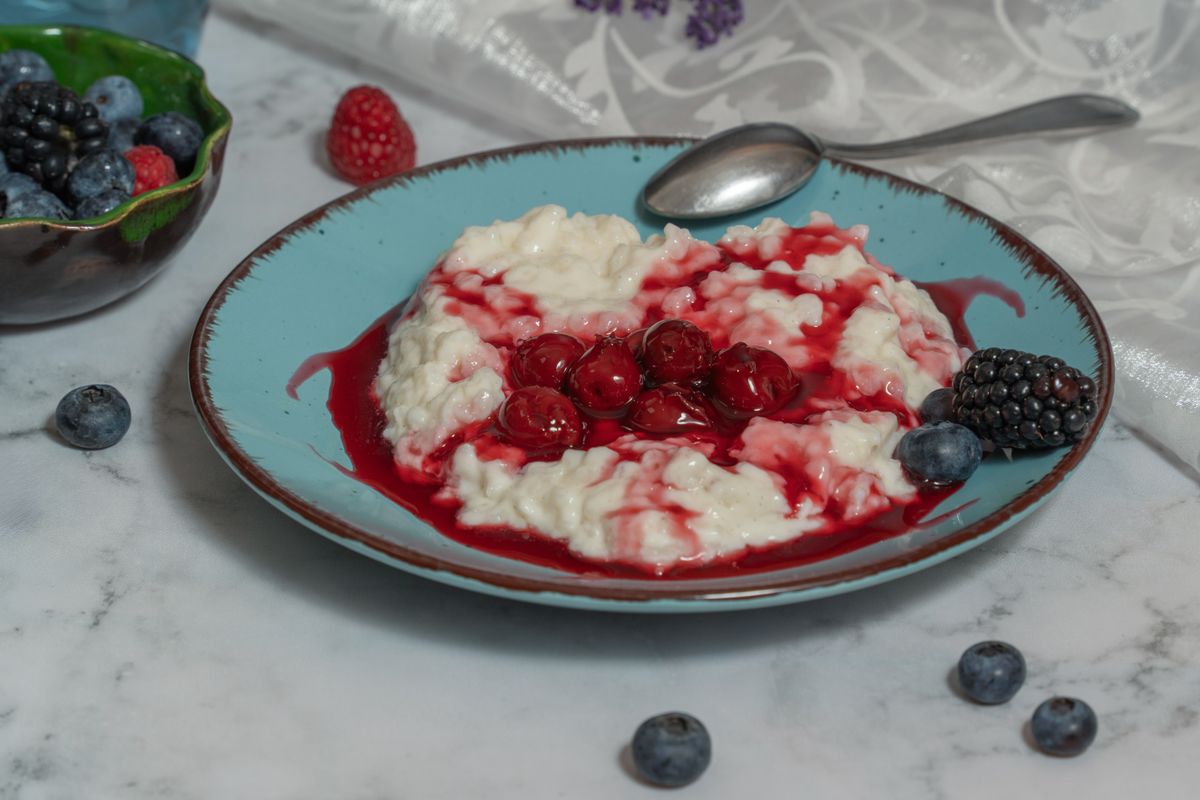
For this version, gather ½ cup uncooked Arborio or sushi rice, 1 cup heavy cream, ¼ cup granulated sugar, 2 cups milk, and ⅛ teaspoon table salt. Whole milk is preferred in the published recipe. You will also need 1 teaspoon each of vanilla extract and vanilla bean paste. Keep the cream divided: ¾ cup goes into the saucepan at the beginning, while the final ¼ cup is stirred in after cooking.
The rice choice matters more than it might seem at first. King Arthur explains that Arborio and sushi rice have small grains and release plenty of starch, which helps produce a creamier pudding. Regular long-grain rice can be used, but the recipe warns that the result will be less creamy. This isn’t a universal rule: not every rice pudding requires the same rice. This guidance applies to this particular preparation, where the rice itself provides the thickening rather than an added egg mixture.
Keep that distinction in mind because rice-pudding recipes aren’t interchangeable. Ina Garten’s Rum Raisin Rice Pudding, for example, uses basmati rice, half-and-half, and a beaten egg, with a separate initial cooking stage in water. Robbins’ version uses uncooked rice directly in the milk-and-cream mixture and contains no eggs. Both are published approaches, but combining their quantities or steps could change the result. Pick one complete method before deciding that every pudding recipe is essentially the same pot wearing a different hat.
The double vanilla is another deliberate choice, not an invitation to empty the spice cupboard. Robbins adds both extract and bean paste at the end, creating a clear vanilla finish without requiring you to split and scrape a whole bean. The recipe’s base remains simple: rice, dairy, sugar, and a little salt. The listed ingredients include no raisins or spices. That gives you a plain vanilla pudding as the starting point, rather than a fully loaded dessert whose texture and flavor are harder to judge.
Related: The Boomer Food Traditions That Still Bring People to the Table
Simmer Gently, Stir Often, and Watch the Rice
Place the rice, ¾ cup of heavy cream, sugar, milk, and salt in a heavy two-quart saucepan. Bring the mixture to a simmer, then cook uncovered, stirring frequently. The recipe calls for 30 to 35 minutes, until the rice is cooked and the milk is almost entirely absorbed. Use both cues: the clock is a guide, but tender rice and reduced liquid tell you whether the pudding has reached the intended stage.
This is easy cooking, but it is not completely hands-off. Frequent stirring is part of the method, so stay close enough to the saucepan to attend to it while the rice cooks. There is no need to invent extra steps, drain the rice, or transfer everything to a baking dish. The useful discipline is to follow the simmering instructions rather than assuming a hotter burner is a clever shortcut. The recipe asks for a simmer, not a race to boil away the milk.
Once the rice is cooked, remove the saucepan from the heat. Stir in the remaining ¼ cup heavy cream, vanilla extract, and vanilla bean paste. That final addition of cream has a purpose beyond richness. King Arthur’s bakers explain that cream added after cooking helps keep the pudding smooth rather than clumpy. Holding it back is part of the recipe’s texture strategy, not an arbitrary detail you can overlook while measuring.
Now let the pudding rest for 10 minutes before serving warm. The published method notes that it thickens slightly during this time, so you don’t need to cook it until it looks completely set in the saucepan. Rice pudding keeps changing after the burner goes off. That small pause is also a welcome moment to put away the vanilla, rinse the measuring cup, and find bowls without trying to do everything while stirring hot dairy.
Warm Tonight or Chilled for Later
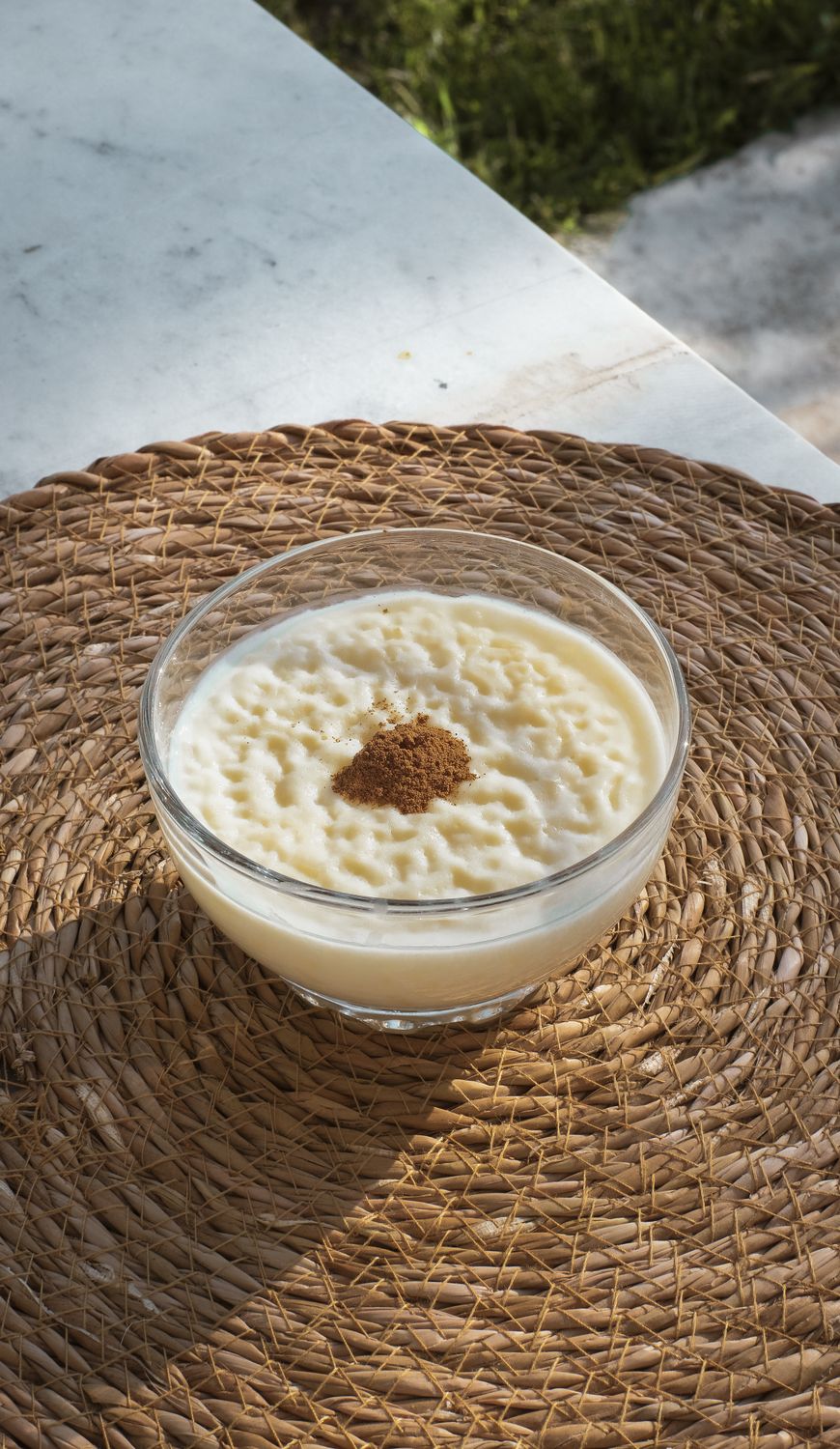
One practical advantage of rice pudding is that you don’t have to choose a single serving temperature. Robbins’ recipe lets you serve it warm after a brief rest or chill it for later. Garten’s version likewise specifies serving it warm or chilled. Neither approach requires an elaborate plated presentation. A small bowl and a spoon are enough, letting texture and flavor carry the dessert instead of relying on garnishes to make it more complicated.
Keep the batch size in perspective, too. This recipe yields about two cups, so divide it according to your desired portion sizes rather than assuming it makes several large bowls. That modest yield can help on a first attempt: you can learn the method, see how the rice thickens the dairy, and decide whether the finished texture suits your taste. The source provides quantities for that batch; it does not require treating the first saucepan as a catering experiment.
For leftovers,follow the recipe’s instructions to store the pudding covered in the refrigerator for up to five days. The larger lesson is patience, not difficulty. Choose the specified rice, keep the mixture simmering, stir regularly, and let the pudding rest before judging its consistency. Old-fashioned rice pudding does not need a dramatic makeover to earn a place after dinner. Sometimes the most satisfying dessert is the one that turns a few ordinary ingredients into a good bowlful, and lets that be enough.