6 Foods Americans Love to Hate, According to a Survey
Some foods are instant crowd-pleasers. Others start arguments before anyone picks up a fork. Think of blue cheese, oysters, or liver.
A 2025 YouGov survey found that several familiar foods inspired surprisingly strong negative reactions among Americans.
From unusual textures to bold flavors, here are six foods that people either genuinely enjoy or would rather leave off their plates.
Anchovies
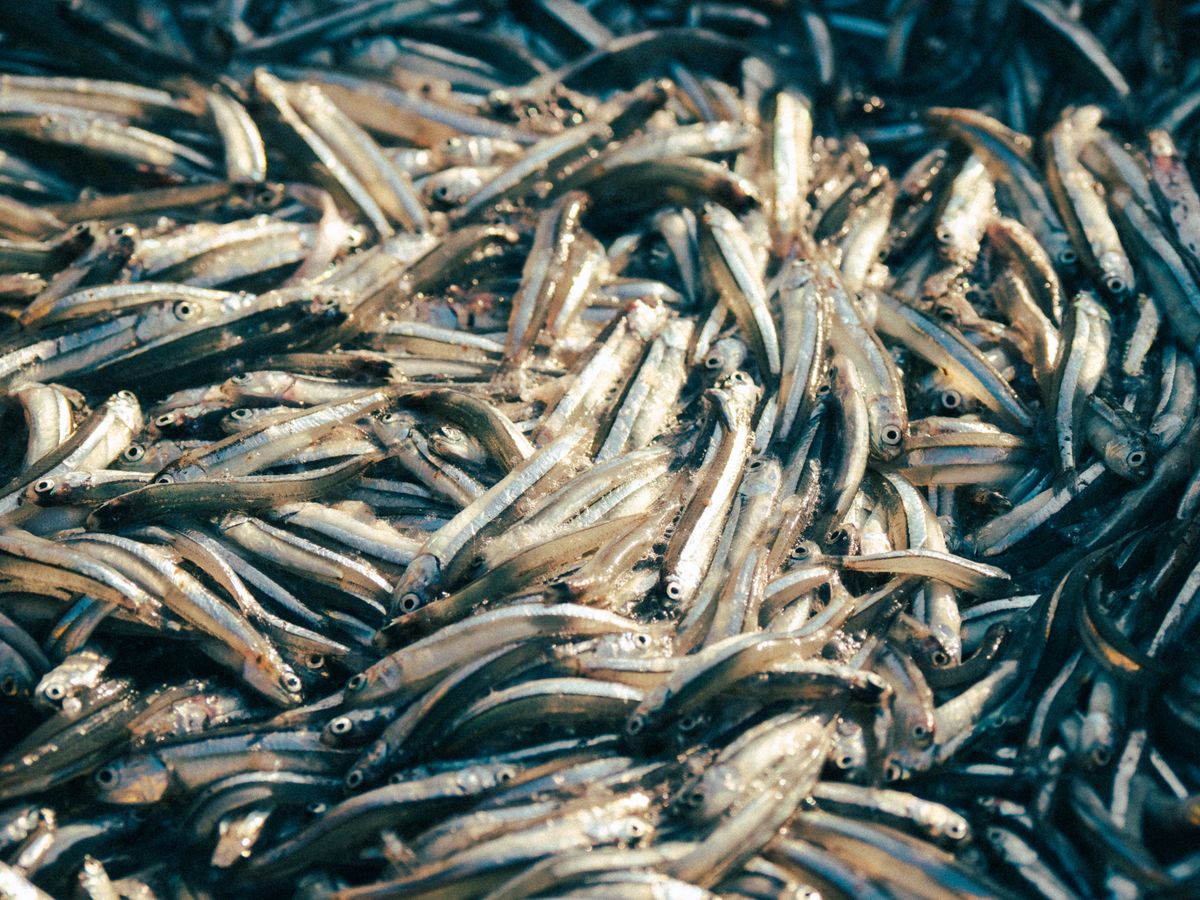
Anchovies might be small, but their flavor is anything but subtle. These tiny, cured fish have a strong, salty taste that can quickly overpower other ingredients. They’re particularly controversial as a pizza topping, where their distinctive flavor is hard to ignore.
According to a 2025 YouGov survey, 56% of respondents said they disliked or hated anchovies. However, eating whole anchovy fillets isn’t the only way to experience them.
When finely chopped and cooked into pasta sauces such as puttanesca, anchovies soften and blend with other ingredients, adding savory depth without keeping their original texture.
The flavor doesn’t disappear completely, but the experience is much different from biting directly into a fillet.
Related: 6 Foods That Many Boomers Still Absolutely Refuse To Eat
Liver
For some people, liver and onions is a comforting, familiar dish. For others, the thought of eating liver is enough to make them lose interest in dinner. Its iron-like flavor and unusual texture set it apart from more familiar cuts of meat.
The YouGov survey found that 54% of respondents disliked or hated liver, making it one of the most unpopular foods examined. Preparation can also affect how liver tastes and feels.
While traditional liver and onions features recognizable slices, pâté turns liver into a smooth, spreadable preparation. However, its characteristic flavor remains noticeable regardless of the recipe.
For those willing to experiment, trying a different preparation offers another way to experience this divisive ingredient.
Sardines
Opening a can of sardines can reveal one of the most recognizable aromas in the seafood aisle. These small, oily fish have a rich texture and pronounced flavor that some people appreciate, and others find overwhelming.
YouGov reported that 52% of surveyed Americans disliked or hated sardines. Unlike anchovies, which are often used in small amounts to season sauces, sardines frequently remain a substantial part of a meal.
You can eat them straight from the can or add them to cooked dishes. Traditional Sicilian pasta preparations, for example, pair sardines with aromatic ingredients and contrasting flavors like raisins.
Although these additions create a more layered dish, the sardines remain recognizable. For seafood enthusiasts, that distinctive taste is part of their appeal.
Tofu
Tofu has earned a reputation for being bland, but its mild flavor is only part of what makes it controversial. Texture plays an equally important role. According to YouGov, 46% of respondents disliked or hated tofu.
However, not all tofu looks, feels, or tastes the same. Silken tofu has a smooth, custard-like consistency, making it suitable for dishes that highlight its delicate texture.
Extra-firm tofu, on the other hand, can develop a browned, crispy exterior when properly dried and cooked. That means someone who dislikes soft tofu might react very differently to a crispy, stir-fried version.
The key is understanding that tofu isn’t one fixed eating experience. Its preparation makes a significant difference.
Oysters
Many seafood lovers consider oysters a delicacy, yet their distinctive texture makes them a difficult sell for others. Their briny flavor and soft, slippery consistency create an eating experience unlike most familiar seafood.
YouGov found that 42% of respondents disliked or hated oysters. Raw oysters served on the half shell are particularly associated with that slippery mouthfeel.
However, cooked preparations provide a different experience. Grilled oysters with seasoned butter, for example, add new flavors and a different texture.
These differences may appeal to someone who finds raw oysters uninviting. Still, cooking doesn’t guarantee that everyone will enjoy their natural brininess.
Blue Cheese
Blue cheese announces itself before you even take a bite. Its strong aroma, distinctive blue veins, and sharp flavor make it one of the most recognizable cheeses around.
In YouGov’s 2025 survey, 39% of respondents said they disliked or hated blue cheese. However, treating every variety as identical would be a mistake. Some blue cheeses are relatively mild and creamy, while others have a powerful, assertive taste.
Serving a small amount crumbled over a salad or blended into a creamy dip creates a different experience from eating a large piece on its own.
For those curious about the category, starting with a milder variety may be more approachable than choosing the strongest cheese available.
The Final Bite
Food preferences are wonderfully unpredictable. An ingredient that seems irresistible to one person might be completely unappealing to someone else.
Sometimes, a different cooking technique or ingredient combination can change that experience. Other times, there’s simply no convincing someone to enjoy a flavor they dislike.
And that’s perfectly fine. Dinner would be pretty boring if everyone had exactly the same taste.
Other Posts You May Like
. 5 Protein-Packed Foods That Make Meatless Dinners Feel Like a Real Meal