Before Everything Became Disposable, Americans Repaired These 8 Kitchen Items
Remember when a broken kitchen appliance didn’t automatically mean buying a new one? A toaster that stopped working might have gone to a repair shop, while a worn-out saucepan handle could be replaced without throwing away the entire pot. For many households, fixing what they already owned was a practical alternative to buying something new.
Today, inexpensive appliances and convenient online shopping can make replacement seem easier than repair. Yet vintage service manuals, manufacturer instructions, and businesses that still restore old kitchen equipment tell an interesting story. Many familiar kitchen essentials were designed with replaceable parts, and some can still be repaired today.
Toasters

A toaster that burned bread or refused to pop it up wasn’t necessarily headed for the trash. Older models often contained components technicians could replace, letting the appliance return to service without buying an entirely new machine.
Sunbeam’s service manuals provide a fascinating example. Instructions revised in January 1964 described replacing electrical cords, heating elements, thermostatic components, and bread-lifting mechanisms. A February 1972 parts list even priced a replacement center heating-element assembly at $5.50, excluding labor.
Today, the price of a basic replacement toaster can make professional repairs difficult to justify. However, as CNET’s appliance repair reporting explains, some small appliances remain worth fixing. A broken toaster isn’t always beyond repair, even if replacing it is more convenient.
Related: 7 Kitchen Items You Should Get Rid Of
Electric Mixers
Before today’s endless selection of inexpensive kitchen gadgets, electric mixers were familiar fixtures in many American kitchens. They whipped cake batter, mixed cookie dough, and handled countless family recipes. When something went wrong, servicing the machine was sometimes an option.
Vintage Sunbeam Mixmaster instructions preserved by repair technician Dave Harnish document oiling and maintenance procedures for several older metal models. His repair resources also describe dismantling and servicing Mixmasters manufactured during the 1970s.
That documentation demonstrates how manufacturers and repair technicians treated mixers as machines that could receive ongoing attention. Moving components could be lubricated, inspected, and serviced rather than requiring replacement of the entire appliance.
Modern stand mixers can still be repaired, especially when replacement costs are high. For inexpensive hand mixers, however, it may make more sense to buy another unit.
Blenders
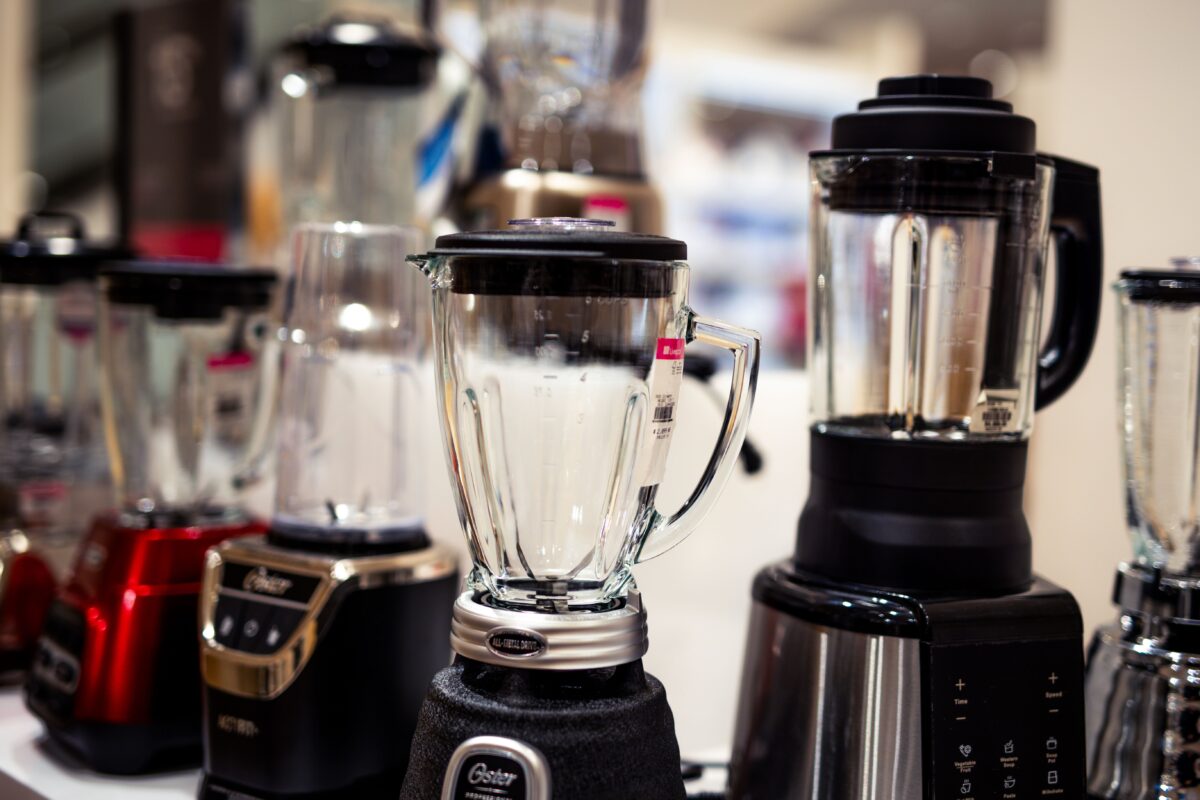
Imagine throwing away an entire blender simply because its container started leaking. That might seem excessive when the motor still works perfectly, but replacement can be tempting when a new appliance is readily available.
Older Osterizer documentation shows why separating the problem from the entire machine matters. A manufacturer manual preserved by the University of California, San Diego, identifies removable sealing rings, blade assemblies, and threaded container bottoms. It also directs customers toward replacement parts and authorized servicing.
Even today, checking whether a blender needs a replacement jar component can be more sensible than assuming the whole appliance is finished.
Coffee Percolators
Long before programmable coffee makers became common, electric percolators were familiar sights on American countertops. Their bubbling sounds and distinctive designs made them memorable kitchen appliances, but their internal components could eventually require attention.
The June 1976 issue of Popular Mechanics included an article on repairing a percolator, showing that ordinary readers could find appliance repair advice. Published servicing guidance also describes replacing faulty thermostats and addressing heating-related problems.
Some repairs were straightforward for qualified technicians, while others involved more complicated electrical connections or permanently attached components. Those distinctions mattered when deciding whether servicing was financially practical.
Today, replacement may seem easier, especially for inexpensive coffee makers. Nevertheless, repair resources for certain percolators remain available, including iFixit documentation.
Revere Ware Saucepans
A saucepan with a loose or cracked handle might be discarded today, even when the metal body remains perfectly usable. However, vintage Revere Ware cookware shows how manufacturers once supported repairs with replacement components.
Revere Ware’s 1967 replacement-parts catalog included handles, lids, screws, and other accessories. Many pieces manufactured between 1947 and 1968 featured handles secured by two screws, allowing damaged components to be replaced without throwing away the entire saucepan.
Finding those parts has become more complicated. Independent supplier Revere Ware Parts announced its store closure in August 2024, showing how disappearing parts suppliers can make restoring older kitchen equipment harder. The saucepan itself may still have years of use left, even when a suitable replacement handle is hard to find.
Stovetop Pressure Cookers
Pressure cookers have a surprisingly long history in American kitchens. According to Presto’s company history, the manufacturer introduced its saucepan-style pressure cooker in 1939, featuring a rotating cover and gasket-sealing design.
Over time, components such as sealing rings could deteriorate, but that didn’t necessarily require replacing the entire cooker. Manufacturer instructions identified replaceable seals and other model-specific parts, establishing routine maintenance as part of ownership.
Unlike many discontinued kitchen appliances, Presto still provides parts information for supported models. This makes pressure cookers an important exception to the idea that modern kitchens have completely abandoned repairs.
Still, replacement components must match the manufacturer’s specifications. A pressure cooker’s sealing and pressure-control systems are not places for improvised fixes.
Kitchen Knives
A kitchen knife doesn’t need complicated machinery to become frustrating. Sometimes, the cutting edge loses the sharpness that made it useful in the first place. Rather than replacing the knife, owners could have its edge restored.
Knife sharpening was once visible enough as an occupation to appear in American artwork. Philip Reisman’s Knife Grinder, dated approximately 1937 to 1940 and held by the Smithsonian American Art Museum, depicts this established trade.
The practice certainly hasn’t disappeared. Knife manufacturers such as Wüsthof still publish guidance distinguishing sharpening, which restores the cutting edge, from honing, which helps maintain its alignment.
A dull knife isn’t automatically disposable. Proper maintenance can keep a serviceable blade useful without purchasing a replacement.
Tin-Lined Copper Pans
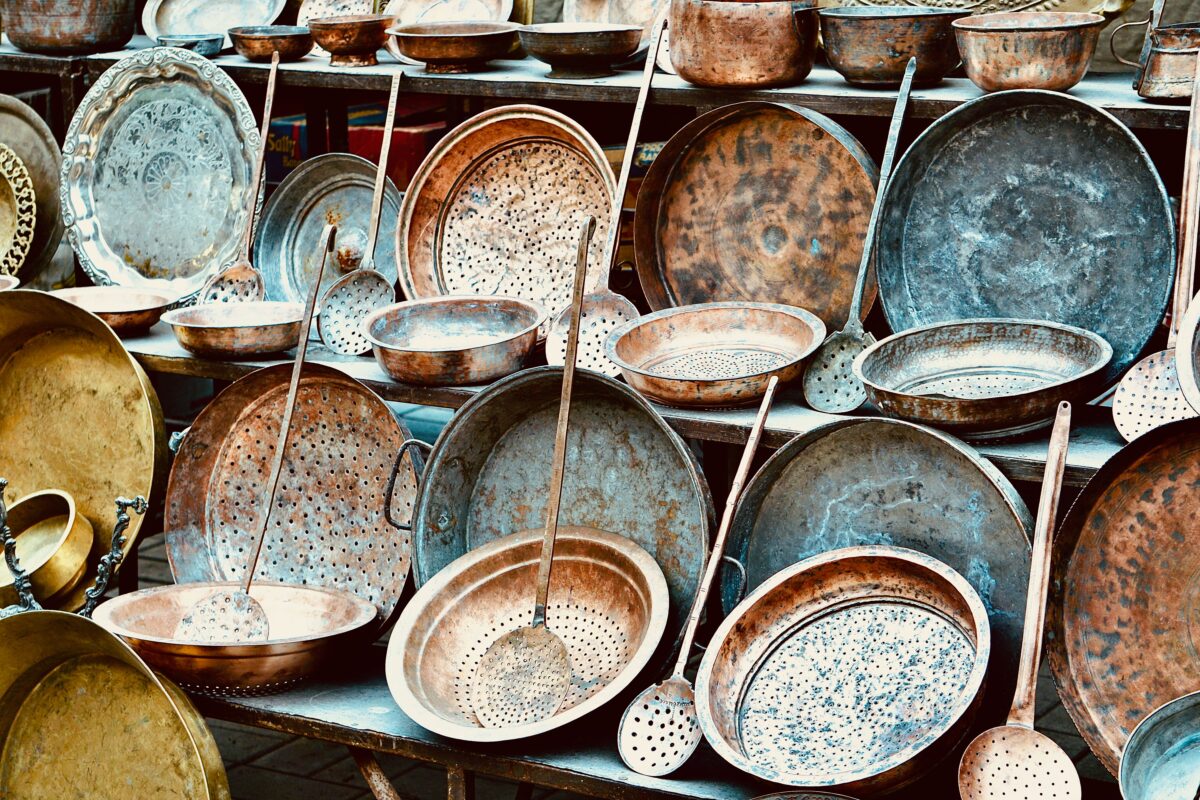
Some older copper pans were built around a remarkable idea: the cooking surface could be renewed while the original copper body remained in use.
Traditional tin-lined copper cookware eventually wears down its softer interior lining. Rather than discarding the entire pan, specialist craftspeople can remove the deteriorated lining and apply a fresh layer of tin.
Atlantic Retinning traces its restoration business to New York in 1916 and describes working on heirloom cookware that has undergone repeated restoration. Serious Eats has also documented the craftsmanship involved in restoring copper pans, including Rhode Island specialist Jim Hamann’s work.
Why Repairing Kitchen Items Became Less Common
The shift toward replacement isn’t simply a story about earlier generations being more careful with money. Modern manufacturing, product design, labor costs, and access to replacement parts all influence whether an item is worth fixing.
In its May 2021 report, Nixing the Fix, the Federal Trade Commission examined repair restrictions and obstacles involving parts, tools, and repair information. These barriers can make servicing products harder, though they don’t affect every appliance equally.