7 Foods Middle-Class Families Ate in the 1950s That Seem Fancy Now
A Sunday dinner in the 1950s could look surprisingly similar to a meal served at an upscale restaurant today. Roast lamb, creamy beef Stroganoff, and shrimp cocktail weren’t limited to restaurant menus. They also appeared at American family tables, particularly when relatives visited or guests came over.
Of course, not every household could afford these dishes regularly, and some were considered special even then. Still, they reflect a time when home cooks put considerable effort into meals that now carry a certain restaurant-style elegance.
Here are seven foods from 1950s family cooking and entertaining that still make an impression.
Roast Leg of Lamb
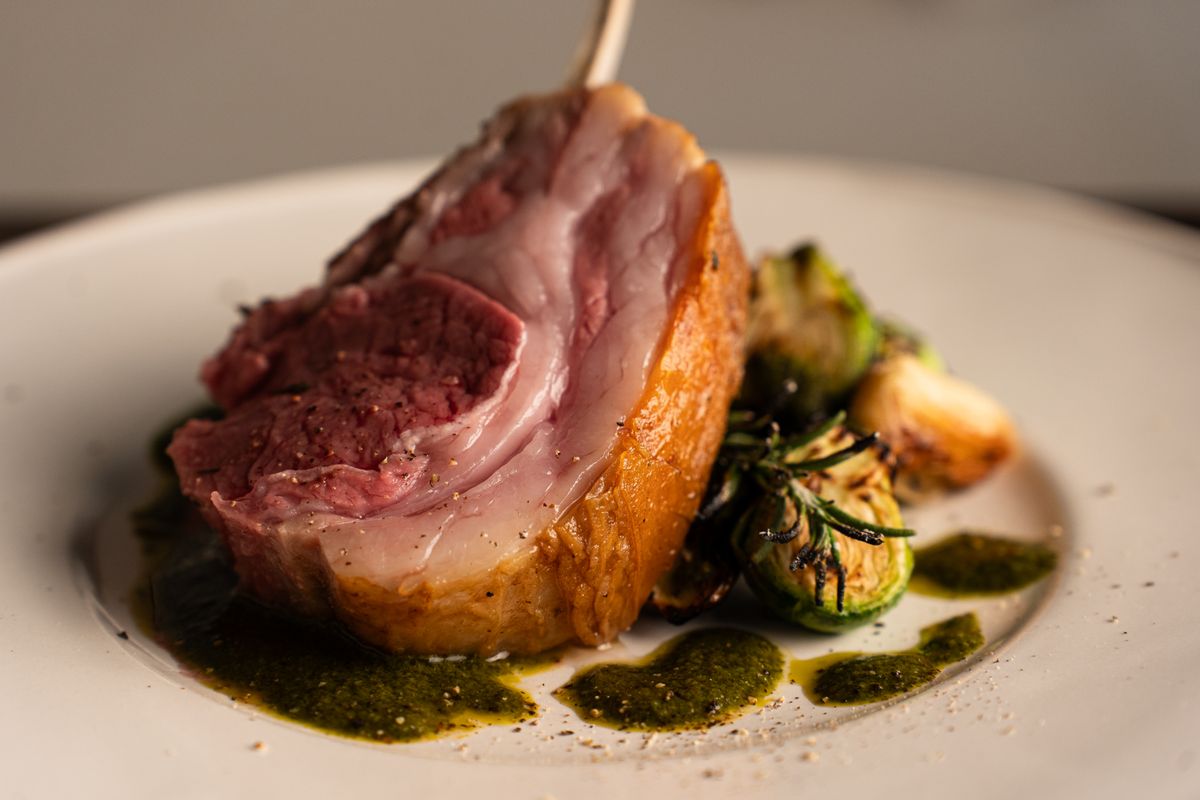
Today, a beautifully roasted leg of lamb can feel like something reserved for Easter dinner, a fancy restaurant, or an important family celebration. But during the 1950s, lamb also had a place in the traditional American Sunday roast.
Families could build an entire dinner around the meat, bringing the roast to the table as the centerpiece. Its appeal came partly from the presentation. A large roast made an ordinary dining room feel ready for company.
According to the U.S. Bureau of Labor Statistics, leg of lamb averaged 74.4 cents per pound in large U.S. cities in 1950. That price shouldn’t be mistaken for proof that lamb was inexpensive for every family, especially since supplies were limited at times that year.
What makes this dish interesting today is how elaborate it looks despite its straightforward identity. It remains a substantial family roast, but its presentation can easily suggest a special occasion.
Related Post: 6 Nostalgic Middle-Class Dinners That Still Taste Like Pure Happiness
Beef Rib Roast
Few dishes announce a celebration quite like a large beef rib roast sitting in the middle of the dinner table. Today, many people associate this cut with steakhouses, holiday gatherings, and expensive restaurant dinners.
In the 1950s, roast beef also belonged to the familiar tradition of gathering around the table for Sunday dinner. Shoppers could buy rib roast, though its price made it a more substantial purchase than some everyday alternatives.
Federal retail price records show that beef rib roast averaged 74.3 cents per pound in 1950. Chuck roast averaged 61.6 cents per pound, while hamburger averaged 56.6 cents.
That difference matters because rib roast was not necessarily the budget-friendly choice of its day. Families choosing it were buying something more expensive than several other common beef options.
The biggest change may be how we view the meal. What once fit naturally into the home-roast tradition now carries the unmistakable atmosphere of a steakhouse dinner.
Veal Cutlets
Veal cutlets sound like something you might find on a traditional Italian restaurant menu. Yet veal was familiar enough in midcentury American cooking to appear repeatedly in mainstream cookbooks.
A 1956 Betty Crocker cookbook reportedly featured numerous veal recipes, reflecting its place among the dinner options presented to American home cooks.
The dish could be prepared in different ways, but its appeal lay in turning veal into a carefully prepared main course. It offered something different from the more familiar beef roast or chicken dinner.
However, veal was not a bargain even in 1950. The Bureau of Labor Statistics recorded an average price of about $1.08 per pound for veal cutlets, higher than rib roast and round steak.
That makes veal an interesting example of a food that crossed between home cooking and more formal dining. Its restaurant-style reputation today doesn’t mean families in the 1950s considered it ordinary or inexpensive.
Shrimp Cocktail
There is something wonderfully old-fashioned about shrimp arranged neatly around a small glass, with cocktail sauce waiting in the middle.
During the 1950s, shrimp cocktail brought a touch of restaurant glamour into home entertaining. It was an appetizer designed to look impressive before the main meal even arrived.
Period cookbooks offered ideas for presenting it attractively. Betty Crocker’s 1950 cookbook suggested chopping celery into the mix, while a 1955 Good Housekeeping cookbook recommended serving shrimp in a lettuce-lined sherbet glass.
That careful presentation added to the appeal. Guests weren’t simply being offered shrimp. They were being welcomed with a dish that looked thoughtfully prepared for the occasion.
Shrimp cocktail was already associated with elegance during the decade, so it would be misleading to suggest that it only became fancy recently.
Still, the image of a family serving individual shrimp cocktails at home captures something distinctive about midcentury entertaining. A familiar dining room could briefly take on the atmosphere of a stylish restaurant.
Beef Stroganoff
Beef Stroganoff has a name that makes a dinner sound more complicated than it needs to be. Tender strips of beef, a creamy sauce, and noodles give the dish an elegant look.
During the 1950s, American home cooks adapted Stroganoff to suit their kitchens and budgets. Some versions used convenient ingredients such as beef broth or canned cream of mushroom soup, making the dish easier to prepare without sacrificing its rich character.
The beef cut could also vary. In 1950, round steak averaged 93.6 cents per pound, although that figure represents the meat alone, not the cost of preparing an entire Stroganoff dinner.
Today, Stroganoff still looks perfectly at home on a restaurant menu. Yet its midcentury popularity reminds us that impressive meals didn’t always require elaborate ingredients or professional cooking techniques.
Chicken Fricassee
Chicken fricassee sounds like a dish requiring years of culinary training. In reality, the version familiar to many American families was essentially chicken served in a flavorful gravy.
The dish had a place in midcentury home cooking. Betty Crocker’s 1956 cookbook reportedly included a chicken fricassee and dumplings preparation that combined familiar ingredients into a comforting family meal.
Chicken itself was a standard grocery purchase. In 1950, frying chickens averaged 59.5 cents per pound, according to federal retail price records. That figure doesn’t include the other ingredients needed to prepare fricassee.
The dish feels fancy today partly because of its French name. Beneath that elegant description is the familiar appeal of chicken, gravy, and a satisfying dinner shared around the table.
Iceberg Wedges With Blue Cheese Dressing
A wedge of iceberg lettuce covered in blue cheese dressing might seem like an unlikely candidate for an impressive dish. Yet this simple preparation became a staple of American steakhouse dining.
Wedge salads also have a history in home kitchens, where their appeal lies in straightforward preparation and attractive presentation. A crisp section of lettuce becomes something more substantial with dressing and optional toppings.
In 1950, lettuce averaged 13.9 cents per head, though federal records did not distinguish iceberg from other lettuce varieties.
Today, a wedge salad can look surprisingly sophisticated on a restaurant plate. Its appeal shows how presentation can turn an uncomplicated ingredient into something memorable.
These seven dishes offer a glimpse of an era when family cooking and formal entertaining often overlapped. Some were already expensive or elegant, while others relied on familiar ingredients. Either way, they prove that a dinner doesn’t need to be modern to feel special.