7 Things You Should Think About Cleaning With Lysol Spray
Keeping a home clean involves more than sweeping floors, washing dishes, and wiping down countertops. People often overlook surfaces they touch every day, letting dirt and germs build up over time.
That is where a disinfectant like Lysol spray can come in handy. When used as directed on the label, Lysol Disinfectant Spray can help reduce certain viruses and bacteria on approved surfaces around the home. The brand lists several everyday household items as suitable uses, including doorknobs, light switches, bathroom fixtures, refrigerator exteriors, and certain soft furnishings.
However, not every surface should be treated with the same cleaning product. The material type, the product’s directions, and how long a surface needs to stay wet all matter.
If you are looking for practical ways to improve your household cleaning routine, here are seven commonly overlooked places to clean with Lysol spray.
Doorknobs and Door Handles
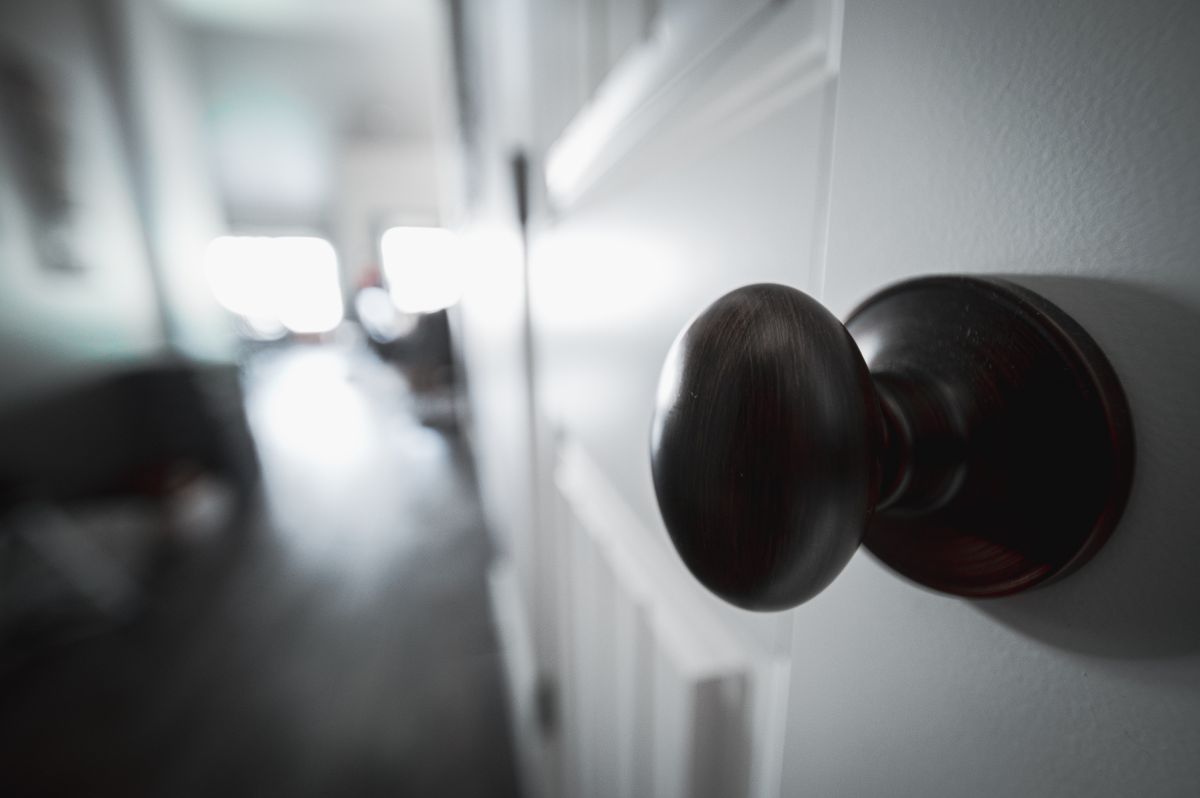
Doorknobs are among the most-touched objects in a home. Family members, visitors, and delivery workers may touch the same handles throughout the day, transferring dirt and microorganisms from their hands.
Despite their frequent use, doorknobs can easily be forgotten during routine cleaning.
Regularly clean the handles on your front door, bedroom doors, bathroom doors, and kitchen entrances. Pay particular attention to handles that several people use throughout the day.
Before applying Lysol, check that it’s compatible with your specific product. Some finishes and metals may require a different cleaning method.
For effective disinfection, follow the can’s instructions, including the required wet contact time. Simply spraying a handle and immediately wiping it dry may not provide the disinfection described on the label.
Light Switches
Light switches are another household item that rarely receives the attention it deserves.
Think about how often people turn lights on and off when entering bedrooms, bathrooms, hallways, kitchens, and living rooms. These switches are touched repeatedly, yet they may remain untouched during ordinary cleaning.
Cleaning around light switches can be a useful addition to your weekly household routine, especially in busy homes.
However, electrical safety is important. Never spray disinfectant directly into a switch, electrical outlet, or other opening. Instead, use a method approved for the surface, follow the product instructions, and keep moisture away from electrical components. If the label does not permit direct application to that type of surface, choose an appropriate alternative.
A little attention to these frequently handled areas can help make your cleaning routine more thorough without creating unnecessary risks.
Kitchen Sink and Garbage Can
The kitchen is one of the busiest areas in many households. Food preparation, dishwashing, and rubbish disposal can leave surfaces exposed to spills, residue, and unpleasant odors.
Your kitchen sink needs regular attention because food particles and moisture can build up around the basin, drain, and faucet. Garbage cans also deserve attention, particularly when food waste or leaking bags leave residue behind.
Lysol Disinfectant Spray lists kitchen sinks and garbage cans among its intended household uses, depending on the specific product and its directions.
Before disinfecting, remove visible dirt and food residue. Then apply the product as directed and allow the surface to remain wet for the required time.
Use extra care with kitchen countertops, cutting boards, and other food-contact surfaces. Don’t assume every disinfectant spray is safe for every food-contact surface. Follow the label’s rinsing instructions, and rinse food-contact surfaces with potable water when required.
For everyday cleanliness, regular washing and prompt removal of food waste remain essential.
Bathroom Faucets and Toilet Seats
Bathrooms face moisture, frequent hand contact, and regular use, so they should be included in a cleaning schedule.
Toilet seats, faucet handles, and other frequently touched bathroom fixtures can collect grime and microorganisms. Water spots and soap residue may also build up around sinks and taps.
Lysol lists toilet seats, faucets, bathtubs, and showers among the surfaces covered by certain disinfectant spray products.
For a more complete cleaning routine, start by removing visible dirt with an appropriate bathroom cleaner. Use the disinfectant only on compatible surfaces and follow the label’s directions.
Remember, disinfection and cleaning are not the same. Cleaning removes dirt and debris, while disinfecting uses a product intended to kill specified microorganisms under the conditions stated on its label.
Avoid spraying electrical bathroom appliances, and ensure the room is adequately ventilated. Never mix Lysol with bleach, ammonia, or other cleaning chemicals.
Regularly cleaning bathroom fixtures helps maintain a cleaner environment, especially in households where several people share the same facilities.
Refrigerator Exterior and Frequently Touched Kitchen Appliances
When people think about cleaning a refrigerator, they often focus on expired food, spills, and the shelves inside. However, the outside deserves attention too.
Refrigerator handles, microwave handles, and other frequently touched appliance surfaces may be handled many times each day. Fingerprints, grease, and everyday household grime can gradually build up.
Lysol identifies refrigerator exteriors among the surfaces suitable for certain versions of its disinfectant spray.
Before using a product, check the appliance manufacturer’s instructions and the disinfectant label. Avoid spraying directly into ventilation openings, electrical controls, displays, or other sensitive components.
For electronic appliances, apply an approved cleaning method that prevents liquid from entering the device. A product that is suitable for a refrigerator’s exterior is not automatically suitable for every part of the appliance.
If you are cleaning the inside of a refrigerator or microwave, use a product specifically approved for that application and follow any food-contact rinsing requirements.
The goal is to keep frequently handled surfaces clean without damaging expensive kitchen equipment.
Couches, Cushions, and Other Upholstered Furniture
Soft furnishings are sometimes overlooked because they don’t look as dirty as kitchen or bathroom surfaces.
However, couches, cushions, and upholstered chairs are used daily. People sit on them after returning home, relax while watching television, and sometimes eat snacks while sitting on them.
Certain Lysol Disinfectant Spray products are labeled for use on specified soft surfaces, including some upholstered furniture. Instructions can differ from those for hard surfaces, so read the label before use.
Check the furniture manufacturer’s care instructions first. Test the product on a small, hidden area to check for discoloration or damage, and never saturate the material unless the label specifically directs otherwise.
Do not use ordinary disinfectant spray on delicate fabrics such as silk or leather when the product label excludes them.
Regular vacuuming and prompt spill cleanup also help maintain upholstered furniture.
If you choose to use a disinfectant on suitable fabric, follow the specified application and drying instructions before using the furniture again.
Mattresses and Pet Beds
Mattresses and pet beds are two other items that can benefit from an appropriate cleaning routine.
Mattresses collect ordinary household dust, sweat, and skin flakes over time. Pet beds can accumulate fur, dirt, and odors as animals repeatedly lie on them after playing or spending time outdoors.
Certain Lysol Disinfectant Spray products are labeled for use on specified mattresses and pet beds. Nevertheless, these items require extra care because people and animals spend extended periods in close contact with them.
Check the label to confirm that the particular surface is approved. Apply the product as directed, avoid excessive saturation, and allow the item to dry fully before use.
Keep pets away during application and until the product has dried and the label’s re-entry or use instructions have been met. Do not spray animals directly or allow them to lick wet treated surfaces.
For routine maintenance, wash removable bedding according to its care instructions, vacuum mattresses when appropriate, and launder pet bedding regularly.
These steps can help control dirt and odors without relying on disinfectant spray alone.
Important Safety Tips Before Using Lysol Spray
Although disinfectant sprays can be useful household cleaning tools, using them correctly is essential.
First, read the label every time you use a product. Different Lysol formulations can have different approved surfaces, application methods, and contact times.
Second, ventilate the room and avoid breathing in the spray. Keep the product away from children and pets during use, and store it safely afterward.
Third, never apply disinfectant spray to skin, food, or surfaces that are not approved for that product. Do not mix cleaning chemicals, and keep aerosol cans away from flames and heat.
Finally, remember that disinfecting every surface every day isn’t necessary. Focus on frequently touched areas, visible dirt, and surfaces that need attention because someone in the household is ill or because of their particular use.
Posts You Might Like;
6 Essential Monthly Cleaning Tasks That Make Your Home Shine