Your Sandwich Doesn’t Need Fancier Fillings, It Needs This Fluffy Japanese Milk Bread
Before you add another condiment or upgrade the cheese, consider changing the part of your sandwich doing all the holding. Japanese milk bread, commonly called shokupan, brings a soft, springy texture and gentle sweetness to familiar fillings. It is the bread behind Japanese egg sandwiches, crisp-cutlet sandwiches and fruit-and-cream sandwiches. The appeal is straightforward: even when the filling stays simple, the bread contributes something worth noticing instead of merely keeping lunch off your fingers.
For Namiko Hirasawa Chen, founder and recipe creator of Just One Cookbook, shokupan is an everyday favorite rather than a novelty. “Growing up in Japan, I ate shokupan (食パン) for breakfast almost every morning,” she writes. Her recipes show how comfortably it moves between breakfast toast, lunch sandwiches and sweet snacks. That versatility is the real attraction: one loaf can handle egg salad, ham and cheese, or butter and jam without requiring a shopping cart full of specialty fillings.
What Makes Japanese Milk Bread Different?
The defining feature is its texture: soft and airy, but with enough bounce to make each slice feel substantial. Chen describes shokupan as lighter and more delicate than brioche, which relies on eggs and considerably more butter. The flavor is subtly sweet and milky rather than overwhelmingly rich. That distinction matters in a sandwich, where the bread needs to participate without making every filling taste like an accessory to dessert.
Shokupan also comes in two recognizable shapes. A loaf baked in a lidded pan develops a flat top and tidy, square slices, while an uncovered loaf rises into a rounded top. Chen’s recipe accommodates both styles using the same dough. Neither shape changes the central appeal, although the flat-topped version offers the neat outline associated with many Japanese sandwiches. The important point is that “milk bread” describes a style with variations, not one compulsory silhouette.
There is another misconception worth clearing up: not every Japanese milk bread recipe requires tangzhong, the cooked flour-and-liquid paste featured in many English-language versions. Chen’s shokupan uses neither tangzhong nor yudane, another method involving precooked flour, and instead emphasizes dough development and careful handling. King Arthur Baking’s version, developed by Charlotte Rutledge, does use tangzhong. Both are useful approaches, but one recipe’s technique shouldn’t be treated as the definition of every shokupan loaf.
The Little Saucepan Step Behind One Particularly Soft Version
For bakers choosing the tangzhong route, the extra step is surprisingly modest. King Arthur’s recipe starts with 3 tablespoons each of water and milk, whisked with 2 tablespoons of bread flour in a small saucepan. Cook the mixture over low heat, whisking constantly, until it thickens and the whisk leaves visible lines, about three to five minutes. Let it cool to lukewarm before combining it with the remaining dough ingredients. It is a short stovetop task, not a separate afternoon project.
The reason it works is more useful than the impressive-sounding name. Heating the flour with liquid gelatinizes its starches, helping them retain more moisture in the finished bread. As King Arthur explains, “This simple step yields a loaf that’s tender, moist, and stays fresh longer than loaves prepared the standard way.” Its recipe notes credit Taiwanese cookbook author Yvonne Chen with popularizing tangzhong across Asia and connect the technique to Japan’s yukone, or yudane.
To complete King Arthur’s dough, the cooled paste joins 2½ cups of bread flour, 2 tablespoons of dry milk, ¼ cup of sugar, 1 teaspoon of table salt and 1 tablespoon of instant yeast. The remaining ingredients are ½ cup of milk, one large egg and 4 tablespoons of melted unsalted butter. Mixing and kneading produce a smooth, elastic dough, which can take almost 15 minutes in a stand mixer. Follow the complete formula rather than swapping quantities between different shokupan recipes, since their ingredients, pans and methods vary.
After a covered rise of one to 1½ hours, King Arthur’s dough is divided into four equal portions, flattened, folded and rolled into logs. Arrange them seam-side down in a greased 9-by-5-inch loaf pan, then allow another 40 to 50 minutes for the dough to become puffy. Brush with milk and bake at 350°F for 30 to 35 minutes, until golden and at least 190°F in the center. The listed total time is three hours and 25 minutes, with 30 minutes of hands-on work, manageable, but not a last-minute lunch rescue.
Related: 10 Weird Sandwiches From History, Ranked By How Much You Want To Try Them
Give Familiar Sandwich Fillings a Softer Landing
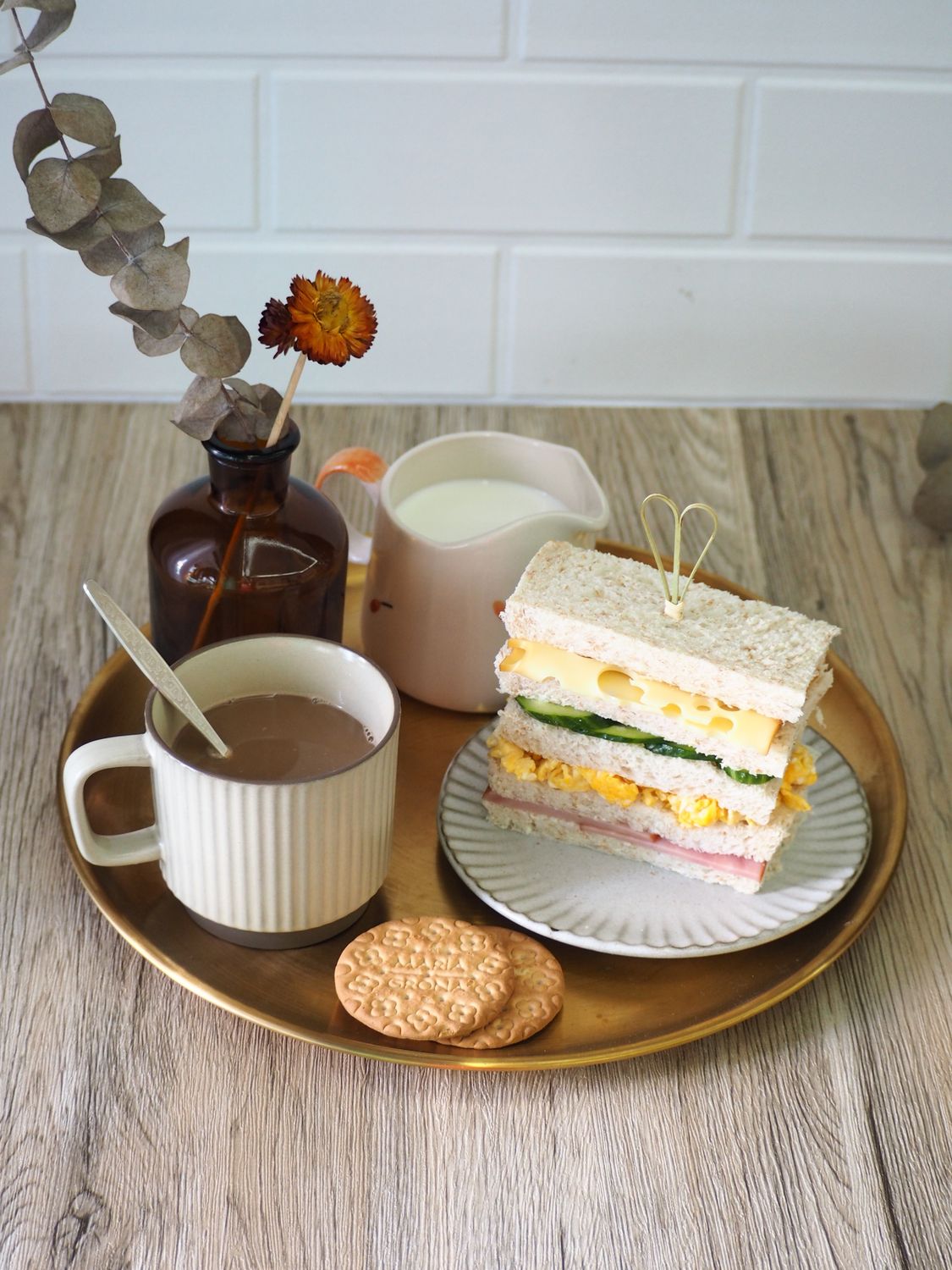
Egg salad is an especially clear introduction to shokupan. In tamago sando, the bread’s soft texture sits alongside a creamy, egg-yolk-rich filling rather than providing a hard or chewy contrast. Chen also features mixed sandwiches with tuna salad, egg salad, and ham and cheese with lettuce. These combinations make the bread easy to try without first learning an elaborate new filling. Start with something familiar, and the loaf’s difference becomes easier to appreciate.
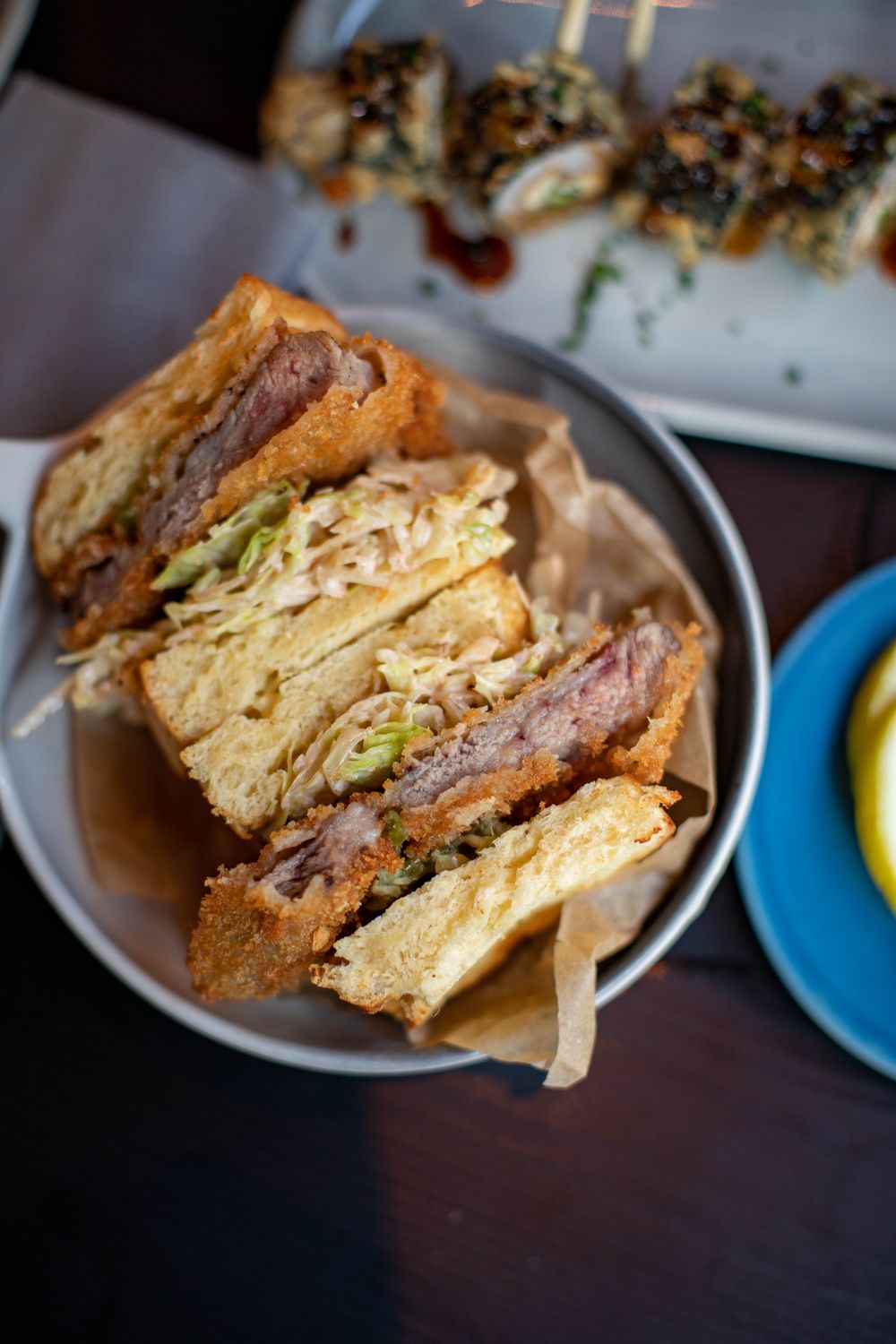
For contrast, katsu sando is a crisp pork cutlet enclosed in soft milk bread. A chicken-cutlet version offers another option, while fruit sandwiches move in a sweeter direction with whipped cream and fruit such as strawberries, oranges and kiwis. These are different sandwiches, not interchangeable recipes, but they demonstrate the loaf’s range. Shokupan can cushion a crunchy filling or echo a creamy one, giving it a useful role beyond simply looking fluffy in a photograph.
Whether you bake or buy, give the loaf a little care before building lunch. Both King Arthur and Chen tell bakers to cool their bread completely before slicing; their storage guidance differs, so follow the directions for the loaf you make. For shoppers, Chen points to Japanese grocery stores and well-stocked Asian markets in the United States. And if sandwich-making leaves you with extra crusts, her butter-and-sugar shokupan rusks give those trimmings another assignment, proof that the loaf can improve lunch without the leftovers being an afterthought.