People Who Still Own a Landline Usually Have 9 Other Outdated Things in Their Homes
Walk into a home where a landline telephone still rings, and you might feel like you’ve stepped into another era. There could be a stack of old DVDs beside the television, a wall calendar covered in handwritten reminders, or a kitchen appliance that has been working faithfully since the 1990s. While newer technology has replaced many household staples, some people see no reason to abandon things that still work perfectly well.
Landlines themselves have become increasingly uncommon in American households. According to the Centers for Disease Control and Prevention, 78.7% of U.S. adults lived in households with wireless phones but no landline during the second half of 2024.
Although there’s no evidence that landline owners usually possess the nine items below, these nostalgic household favorites often appeal to people who appreciate familiar routines, physical possessions, and technology they can understand without watching a tutorial.
A VCR and a Collection of VHS Tapes
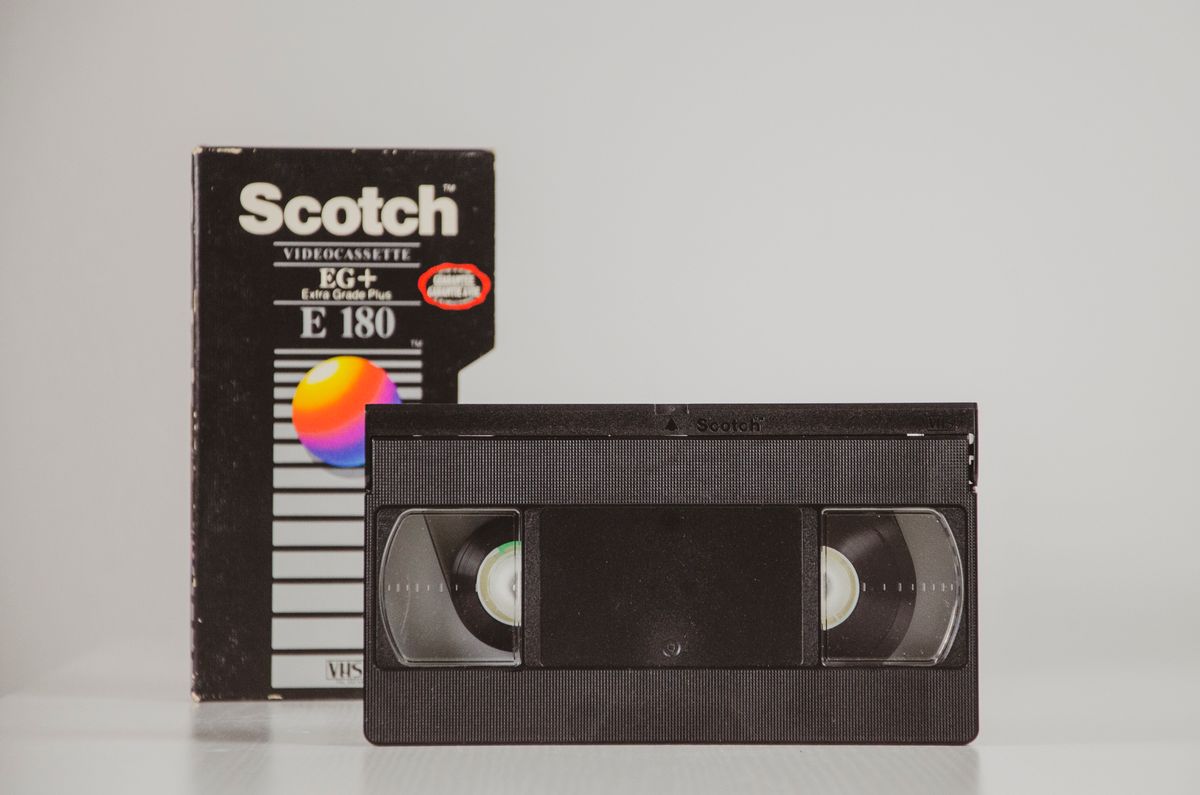
Before streaming services made thousands of movies available at the touch of a button, Friday movie nights often required a trip to the video rental store. Families carefully selected their favorite films, brought them home, and hoped nobody had forgotten to rewind the tapes. The familiar sound of a VHS cassette sliding into the machine was part of the entertainment experience.
Today, a working VCR feels like a piece of entertainment history. VHS technology became popular in American homes beginning in the late 1970s, and the arrival of DVDs eventually changed how people watched movies. According to Smithsonian Magazine, Japanese manufacturer Funai Electronics ended VCR production in 2016.
Yet some households still have shelves filled with old recordings, family celebrations, and movies they never replaced with newer formats. For those owners, the tapes are more than outdated technology. They hold memories of birthday parties, Christmas mornings, and evenings spent watching television together.
A Rolodex or Handwritten Address Book
Long before smartphones stored hundreds of contacts, keeping someone’s telephone number required a little organization. Some people used rotating Rolodex card holders, while others maintained small address books filled with names, phone numbers, and mailing addresses. People wrote every entry by hand, occasionally crossed it out, and updated it whenever someone moved.
An old address book can become a surprisingly personal record of family history. Handwriting might change over the years, and some pages may contain names that bring back memories. Unlike a digital contact list, a handwritten book preserves small details that can make each entry feel more meaningful.
People who still use these systems often appreciate their simplicity. They don’t need to unlock a phone, search an application, or worry about whether a contact has disappeared during a device change. They open the book and find the information they need.
Related Post:8 Things Boomer Missed That Are Not Coming Back
A Stack of Printed Telephone Directories
Remember when practically every household had a telephone directory tucked into a drawer or cabinet? These bulky books listed residential and business contacts, making them useful for finding phone numbers before online searches became commonplace. The Yellow Pages were particularly familiar to people looking for plumbers, restaurants, repair shops, and other local services.
Now, a smartphone can locate a business and display its contact details in seconds. Printed directories have lost much of their everyday importance, though an old copy might still sit on a shelf somewhere. In some homes, the book survives simply because nobody has gotten around to throwing it away.
Flipping through those thin pages feels wonderfully old-fashioned. You might even discover handwritten notes beside certain listings, showing which businesses a family trusted years ago.
A DVD Player With Shelves Full of Movies
Streaming might dominate modern entertainment, but some households still proudly display their DVD collections. These shelves often contain everything from classic Hollywood movies to family comedies and television box sets purchased years ago. For their owners, choosing a movie means physically browsing the collection rather than scrolling through an endless digital menu.
DVDs became popular because they offered a convenient alternative to videotapes, complete with scene selection and additional features on many releases. Although streaming has reduced the need for physical discs, DVDs remain useful for watching owned movies without depending on a streaming subscription. A compatible player and television are generally all that’s needed.
There’s also a certain satisfaction in owning a favorite film instead of wondering whether it will disappear from an online catalog. For some people, their DVD shelves represent years of collecting, gifts from relatives, and memories of family movie nights.
A Wall Calendar Covered in Handwritten Notes
Despite the convenience of digital calendars, a large paper calendar hanging in the kitchen can feel reassuring. Doctor’s appointments, birthdays, anniversaries, and family gatherings appear in different ink colors. Important dates might even be circled several times to make sure nobody forgets them.
A wall calendar offers something smartphone reminders cannot quite reproduce: a shared schedule that everyone in the household can see without opening an app. Family members can glance at the month’s plans while making breakfast or preparing dinner. Some people also enjoy choosing a new calendar every December, especially one featuring animals, landscapes, or favorite destinations.
The calendar might look outdated beside a smart display, but its continued usefulness is easy to understand. It requires no charging, internet connection, or software updates. Sometimes, an old-fashioned pen is all the technology a household needs.
A Cassette Player and Boxes of Old Music Tapes
Before playlists lived inside smartphones, music collections took up real space in people’s homes. Cassette tapes were stacked in drawers, stored in plastic cases, or scattered around stereo systems. Listeners could spend hours recording songs from the radio or creating personalized mixtapes for friends and family.
A household that still owns a cassette player might also have recordings that are difficult to replace. Some tapes contain favorite albums, while others preserve personal messages, family voices, or homemade recordings. The sentimental value can make getting rid of them surprisingly difficult.
Of course, cassette tapes come with inconveniences that modern music listeners rarely encounter. They require rewinding, can become tangled, and may deteriorate over time. Still, people who grew up using them may remember the experience fondly, especially the excitement of making a mixtape for someone special.
A Wooden Cabinet Filled With Fine China
Many older homes have a dining room cabinet containing plates, cups, and serving dishes reserved for special occasions. Some pieces were wedding gifts, while others came from parents or grandparents who believed a beautifully arranged dinner table deserved its own collection. The dishes might spend most of the year behind glass, waiting for Thanksgiving, Christmas, or another family celebration.
Modern households often favor practical dinnerware that can handle everyday use. Formal china collections, however, still matter to people who tie them to family traditions. Bringing out those dishes can turn an ordinary meal into a memorable occasion.
The cabinet itself may be just as cherished as its contents. Carefully polished wooden shelves and glass doors showcase pieces collected over decades. Even when the dishes are rarely used, their owners may see them as reminders of relatives, celebrations, and a different approach to entertaining guests.
An Old Radio That Still Works Perfectly
Long before smart speakers could play almost any song on command, a household radio was an important source of entertainment and information. Families listened to music, news broadcasts, sports coverage, and local programs while cooking dinner or relaxing at home. Some people developed the habit of tuning into the same station every morning.
A traditional radio can still serve that purpose today. Unlike internet-based listening devices, an ordinary AM/FM radio can receive broadcasts without a Wi-Fi connection. Portable, battery-powered models can also be useful when household electricity is unavailable, as long as the batteries and broadcast signal work.
For people who have listened to the same local stations for decades, the appeal may have little to do with resisting new technology. Familiar presenters, recognizable jingles, and favorite programs become part of daily life. Turning a physical dial can feel more natural than asking a digital assistant to find something to play.
A Filing Cabinet Packed With Paper Documents
While many people now store documents electronically, some households still maintain carefully organized filing cabinets. Inside, folders might hold appliance manuals, insurance paperwork, property records, tax documents, warranties, and decades of household receipts. Each folder has a handwritten label, and everything has its designated place.
This system might look old-fashioned in an era of cloud storage and electronic statements. However, keeping important paper documents can still be practical, particularly when originals are required or digital access is unavailable. The challenge is knowing which records to keep and securely disposing of paperwork that is no longer needed.
For longtime paper organizers, the filing cabinet offers a familiar sense of control. They know where to find the refrigerator warranty or paperwork from a home improvement project. Instead of searching through email folders and online accounts, they pull open a drawer and locate the document.
A well-maintained filing system also reveals how much household administration has changed. What once required envelopes, stamps, folders, and filing cabinets can now often be handled through websites and applications.
Yet paper records remain useful in certain situations, which helps explain why some people continue to rely on them.
Why Some People Prefer Keeping Older Household Items
It’s easy to dismiss these possessions as outdated, especially when newer alternatives are available. But replacing something isn’t always necessary simply because a more advanced version exists. An old appliance, familiar organizer, or collection of physical media may still meet its owner’s needs perfectly well.
Keeping older possessions can also have practical advantages. Someone who already owns hundreds of DVDs might prefer watching those movies rather than paying for another entertainment subscription. Someone comfortable using a paper calendar may see little benefit in moving every appointment to a smartphone.
Sentimental value matters, too. Certain objects remind people of their childhood homes, family traditions, and loved ones who are no longer around. Throwing them away can feel like parting with a piece of personal history.
Still, owning a landline doesn’t reveal someone’s age, personality, or likelihood of keeping outdated possessions. Some people retain one for practical communication needs while using the latest technology everywhere else in their homes.
The next time you notice an old telephone, a dusty VCR, or a handwritten address book in someone’s house, consider the memories and routines behind it. Sometimes, the things people choose to keep say less about being stuck in the past and more about appreciating what has served them well for years.
Posts You Might Like:
13 Things You Probably Remember From an ’80s Kitchen
10 Everyday Items Boomers Refused to Replace Until They Wore Out