7 Childhood Foods Worth Putting Back on Your Menu
Some childhood foods can bring back memories before you even take the first bite. Maybe it’s the creamy noodles in a tuna casserole, the crispy edges of homemade salmon patties, or a bowl of tapioca pudding that reminds you of family dinners.
Over the years, some of these dishes have fallen out of regular rotation, while others remain favorites in certain regions and households. Yet their familiar flavors, simple ingredients, and interesting histories make them worth revisiting.
Tuna Noodle Casserole
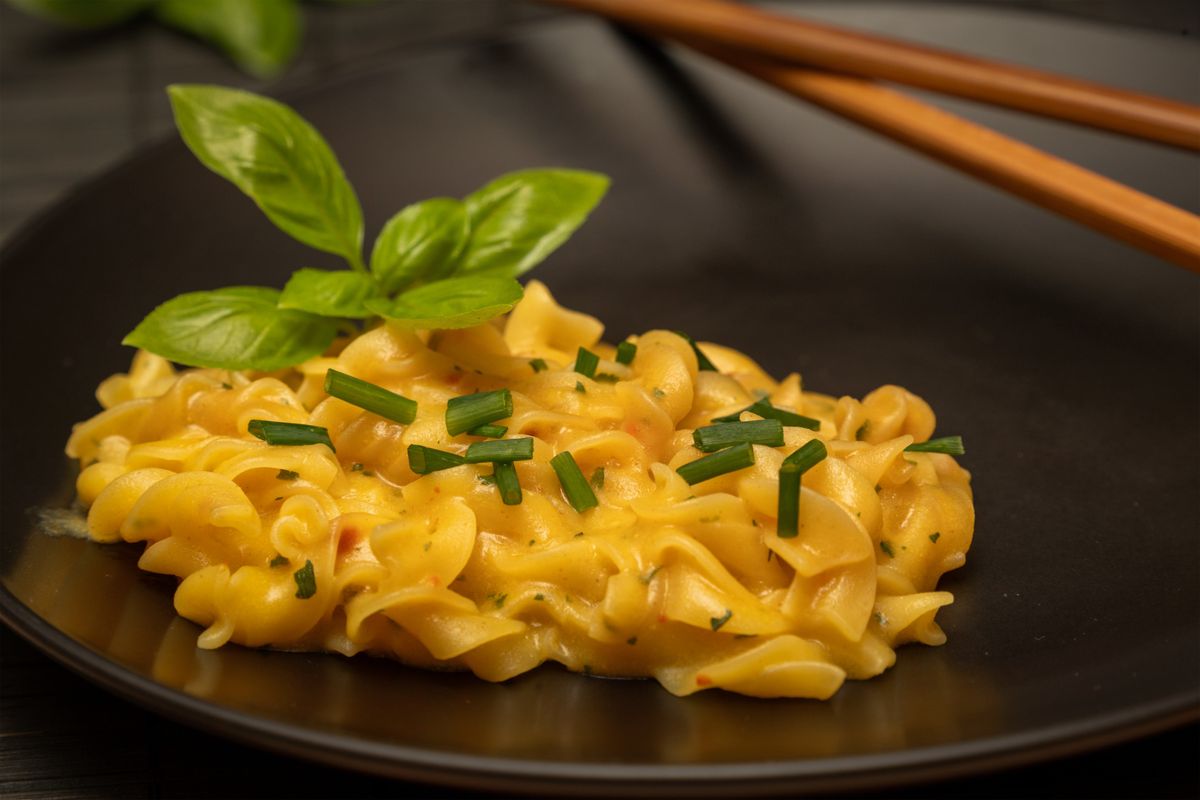
Tuna noodle casserole turns ordinary pantry ingredients into a satisfying family dinner. The traditional version combines noodles, canned tuna, and a creamy sauce, sometimes with peas or mushrooms. A crunchy topping of breadcrumbs, crushed chips, or cheese adds a welcome contrast to the soft noodles underneath.
Although many people associate tuna casserole with 1950s kitchens, its history goes back further. Food historian Heather Arndt Anderson identified a 1930 recipe published in Sunset magazine, showing the dish had already found a place in American cooking before its familiar midcentury reputation developed. Part of its appeal is how easily it adapts to what you have available. You can use condensed soup for the familiar version or prepare a homemade white sauce. Either way, the creamy noodles and crisp topping make a strong case for bringing this casserole back to the dinner table.
Related Post: 8 Forgotten Childhood Foods That Should Be Part of Everyone’s Menu
Creamed Chipped Beef on Toast
Creamed chipped beef on toast might sound unusual to anyone unfamiliar with old-fashioned diner meals. However, its combination of thinly sliced dried beef, creamy white sauce, and crisp toast has a long history in American cooking. The dish has particularly strong connections to military kitchens. According to Saveur, a recipe for chipped beef appeared in the 1910 Manual for Army Cooks, where it was designed to feed a large group. It also became associated with diners, especially in the Mid Atlantic region, where versions are still served.
To make the dish, prepare a flour-thickened milk sauce, add dried beef, and spoon everything over toast. The contrast between the creamy topping and crisp bread gives it its recognizable character. It’s a straightforward option for anyone looking for a traditional savory breakfast or simple supper.
Salmon Patties
A can of salmon, an egg, and some cracker crumbs can become something surprisingly appealing. Salmon patties, sometimes called salmon cakes or croquettes, are formed into small cakes and cooked until the outside is golden and crisp.
These patties have a history connected to Southern cooking and Jewish family traditions. The Levine Museum of the New South documents their place in American food history and displays a salmon-croquetterecipe dating to 1919. That early example shows that salmon cakes existed before the Great Depression, even though they later became associated with economical family cooking. One reason they’re worth revisiting is their texture. The outside develops a browned crust, while the inside stays soft and flaky. You can serve them as the centerpiece of dinner, prepare smaller versions as appetizers, or tuck one into a sandwich.
Deviled Ham Sandwiches
Before elaborate sandwich fillings became a regular topic of food conversations, deviled ham offered a flavorful way to make a simple sandwich. The spread consists of finely chopped or ground ham mixed with assertive seasonings, often including mustard and pepper.
Its commercial history is surprisingly long. Underwood introduced canned deviled ham in 1868, and the company’s familiar devil trademark dates to 1870. The product remains available, although homemade versions offer another way to enjoy the traditional spread. Making deviled ham at home also gives you control over the texture and seasoning. Finely chop cooked ham and mix it with mustard and other ingredients to make a spread for bread or crackers. It’s especially useful when you have leftover cooked ham and want something different from an ordinary sliced-ham sandwich.
Chicken à la King
Chicken à la King sounds fancy, but this familiar dish centers on cooked chicken in a creamy sauce. Mushrooms and peppers or pimientos provide additional flavor, while toast, rice, noodles, or pastry can serve as the base.
Although chicken à la king became associated with midcentury American cooking, its history goes back further. Different accounts link its creation to nineteenth-century hotel chefs, but no one inventor is universally accepted. Its presence in a 1969 Craig Claiborne recipe also reflects its established place in American food culture. The practical appeal hasn’t disappeared. Combine cooked chicken with vegetables and a smooth sauce, then serve it over whatever base suits the meal. Cooked turkey also works in established variations, giving you another option when you want something different with leftover poultry.
Tomato Aspic
Tomato aspic may be the most surprising entry on this list. Instead of a familiar hot tomato dish, imagine seasoned tomato juice set with gelatin and served cold, sometimes in a decorative ring mold.
This unusual preparation became a staple at Southern luncheons, cafeterias, buffets, and family celebrations. Savory gelatin salads eventually lost much of their mainstream popularity, particularly as food fashions changed during the late twentieth century. However, tomato aspic never completely disappeared from Southern dining traditions. Its appeal comes partly from its unexpected flavor and presentation. The tomato mixture is tangy and savory, while the gelatin gives it a delicate, molded texture. It can also be prepared ahead of time, making it a distinctive option for gatherings where you want something beyond the usual side dishes.
Ambrosia
Ambrosia might bring to mind a bowl filled with fruit, marshmallows, coconut, and creamy dressing. However, the dish has a much simpler history than many familiar modern versions suggest. Food historian Robert Moss identified an ambrosia recipe in Maria Massey Barringer’s Dixie Cookery, published in 1867. That early preparation featured oranges, coconut, and sugar. Later variations added marshmallows, pineapple, whipped cream, and other ingredients.
Ambrosia became especially tied to Southern Christmas celebrations, though family recipes vary widely. Some households prefer the simpler citrus and coconut combination, while others enjoy the marshmallow filled version they remember. It’s worth revisiting both ways. The earlier preparation offers bright orange and coconut flavors without baking, while later versions preserve the creamy sweetness many associate with family gatherings.