7 Canned Foods You Shouldn’t Keep in Your Pantry Forever
That forgotten can sitting at the back of your pantry might still be perfectly usable. But before you open it and start preparing dinner, there are a few important things worth checking.
According to the U.S. Department of Agriculture (USDA), dates printed on many shelf-stable canned foods generally indicate quality rather than automatic safety deadlines. An unopened, properly stored commercial can doesn’t suddenly become unsafe simply because its best-by date has passed.
The bigger concerns involve damaged containers, improper storage, and canned foods that have been opened and kept beyond their recommended refrigerated storage periods.
Here are seven common canned foods worth checking, along with practical USDA storage guidelines to help you manage your pantry.
Canned Tomatoes
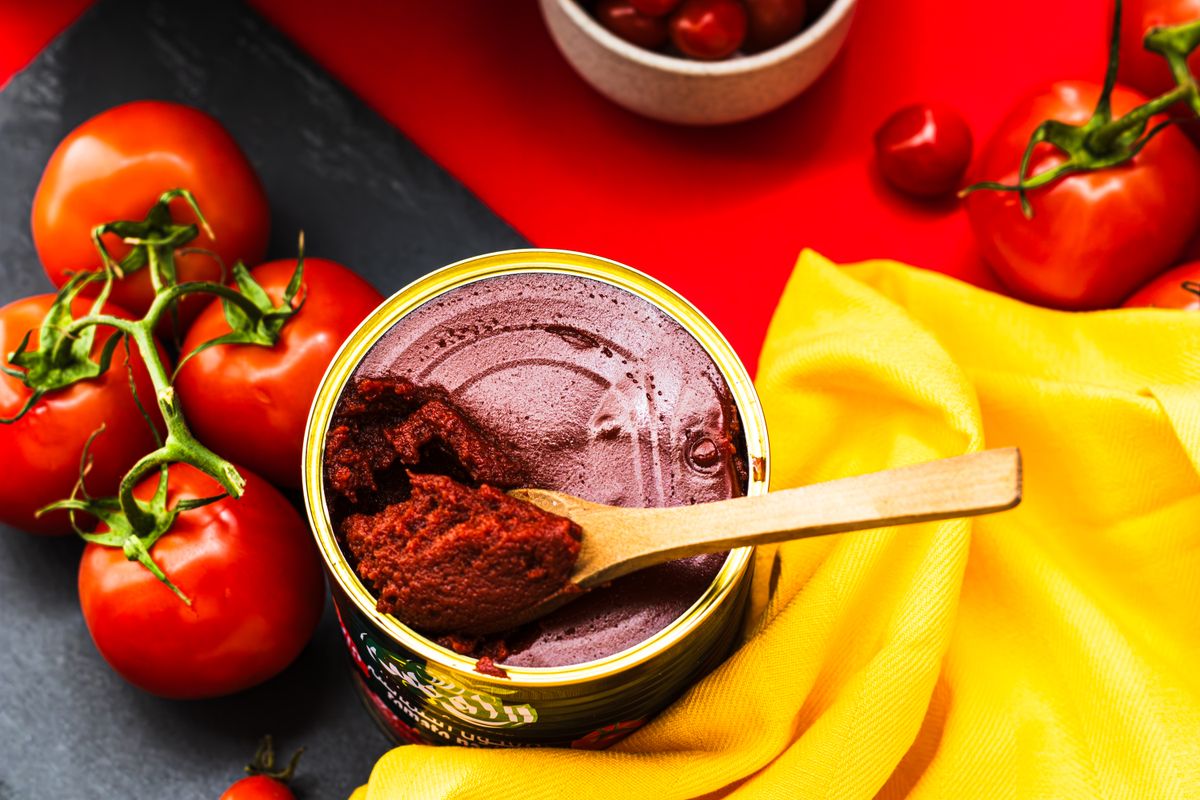
Canned tomatoes are kitchen staples for everything from pasta sauces to homemade soups and stews. They’re also among the canned foods that have a relatively shorter recommended pantry-quality window.
The USDA classifies commercially canned tomatoes as high-acid foods and recommends using them within 12 to 18 months for the best quality. However, that doesn’t mean an unopened, properly stored can automatically becomes unsafe after 18 months.
What matters is how the can has been stored and whether the container is still in good condition. If you notice leaking, bulging, or swelling, discard the can rather than opening it for cooking.
Once opened, canned tomatoes should be refrigerated and used within five to seven days.
For everyday cooking, checking older cans before opening them and keeping track of leftovers are simple habits worth maintaining.
Canned Pineapple
Canned pineapple can sit in the cupboard for months while waiting for a fruit salad, homemade dessert, or pizza night.
Like tomatoes, pineapple belongs to the USDA’s high-acid canned-food category. The recommended pantry-quality window is 12 to 18 months, although this isn’t an automatic expiration deadline.
If you’ve had a can of pineapple sitting around longer than expected, start by checking the condition of its packaging. A leaking, swollen, or bulging container is a reason to throw it away.
After opening, transfer your attention to refrigerated storage. USDA guidance recommends using opened high-acid canned foods within five to seven days.
A practical approach is to check the dates on your pantry items regularly and use older products first while they’re still in good condition.
Canned Tuna
Canned tuna is one of those ingredients that can quickly become a sandwich filling, pasta addition, or simple lunch.
For commercially canned tuna, the USDA provides a general unopened pantry-quality guidance range of two to five years. An intact, properly stored can doesn’t automatically become unsuitable for use once that period passes.
The more important change happens after opening. Once you open canned tuna, it should no longer be treated as a shelf-stable pantry item. Refrigeration becomes necessary, and the USDA recommends using opened low-acid canned foods, including fish, within three to four days.
If you regularly use only part of a can, make it a habit to keep track of when you opened it. That small step makes planning your next meal much easier.
Related: 16 Best Muscle Building Foods for Skinny Guys in 2026
Canned Chicken
Canned chicken is a convenient option for sandwiches, wraps, casseroles, and quick family meals. It’s particularly useful when you want something that requires minimal preparation.
The USDA places commercially canned chicken in the low-acid canned-food category, with a general unopened pantry-quality window of two to five years.
As with other commercially canned products, that range is a quality guideline rather than a strict deadline after which an intact can automatically becomes unsafe.
Once opened, canned chicken needs refrigeration and should be used within three to four days.
It’s also worth remembering that commercially canned chicken and chicken preserved at home follow different preparation and storage guidance. Home-canned poultry requires appropriate pressure-canning procedures, so don’t assume the same rules apply to both.
For store-bought canned chicken, focus on the condition of the container, how it has been stored, and how long it has been open.
Canned Green Beans
Green beans are a familiar addition to casseroles, family dinners, and simple vegetable side dishes. They’re also easy to forget when newer groceries keep getting pushed to the front of the cupboard.
Commercially canned green beans fall under the USDA’s low-acid canned-food category. The general pantry-quality guidance is two to five years for unopened cans.
Once opened, green beans should be refrigerated and used within three to four days.
For anyone preserving green beans at home, the guidance is different. The CDC recommends pressure canning for low-acid vegetables and advises preparing only the amount you expect to use within one year, unless food-specific instructions say otherwise.
That one-year recommendation applies to home canning and shouldn’t be confused with the storage guidance for commercially canned green beans.
If you’re organizing your pantry, placing older cans where you can see them is a practical way to avoid forgetting what you already have.
Canned Corn
Canned corn is another pantry favorite that works well in salads, soups, casseroles, and quick side dishes.
According to the USDA, commercially canned corn falls into the low-acid category, with a recommended unopened pantry-quality range of two to five years.
That doesn’t mean a can automatically becomes unsafe once it reaches five years. Its storage history and container condition remain important considerations.
Before opening an older can, inspect it for visible damage. Leaking, bulging, or swollen containers should be discarded rather than used.
Once opened, canned corn should be refrigerated and used within three to four days. If you frequently prepare meals using canned vegetables, checking your pantry before grocery shopping can help you plan around what you already have and avoid unnecessary purchases.
Related: 25 Foods You Didn’t Know Were Killing Your Metabolism
Canned Meat or Vegetable Soup
Few pantry items are as convenient as canned soup. Whether you’re preparing a quick lunch or putting together dinner, having a few cans available can make meal planning easier.
For low-acid canned meat or vegetable soups, the USDA provides a general unopened pantry-quality range of two to five years.
Once opened, these soups need refrigeration and should be used within three to four days. However, not every canned soup follows exactly the same storage guidance.
Tomato soup belongs to the USDA’s high-acid category, which has a recommended pantry-quality window of 12 to 18 months and refrigerated storage guidance of five to seven days after opening.
This distinction is worth keeping in mind when organizing different types of canned soup.
Rather than assuming every can has the same recommended storage period, consider the type of soup and whether it has already been opened.
What to Remember Before Using Older Canned Foods
The most important takeaway is that an older can isn’t automatically an unusable can.
USDA guidance distinguishes between recommended periods for best quality and actual storage concerns. For commercially canned foods, the condition of the container, storage history, and whether the product has been opened all matter.
A leaking, bulging, or swollen can should be discarded, and questionable food shouldn’t be tasted to determine whether it’s suitable for use.
Once canned food has been opened, follow the appropriate refrigeration and storage recommendations rather than leaving it in the pantry.
Finally, try organizing your shelves so older products are easier to find and use first. It’s a simple kitchen habit that can help you keep track of your groceries, reduce unnecessary waste, and make better use of the canned foods you already have.