6 Holiday Foods Baby Boomers Say Don’t Taste the Same Anymore
Holiday meals have a way of bringing memories back to life. One familiar casserole, a slice of pumpkin pie, or a plate of Christmas cookies can remind people of family gatherings, crowded kitchens, and recipes that appeared on the table year after year. Sometimes, the smallest details are what make those dishes memorable.
But a familiar dish can taste or feel different when its ingredients, proportions, or preparation change. The difference does not necessarily mean the food has gotten worse. It may simply mean that the version being served today is not quite the one someone remembers.
Here are six holiday favorites where those little details can make a noticeable difference.
Green Bean Casserole
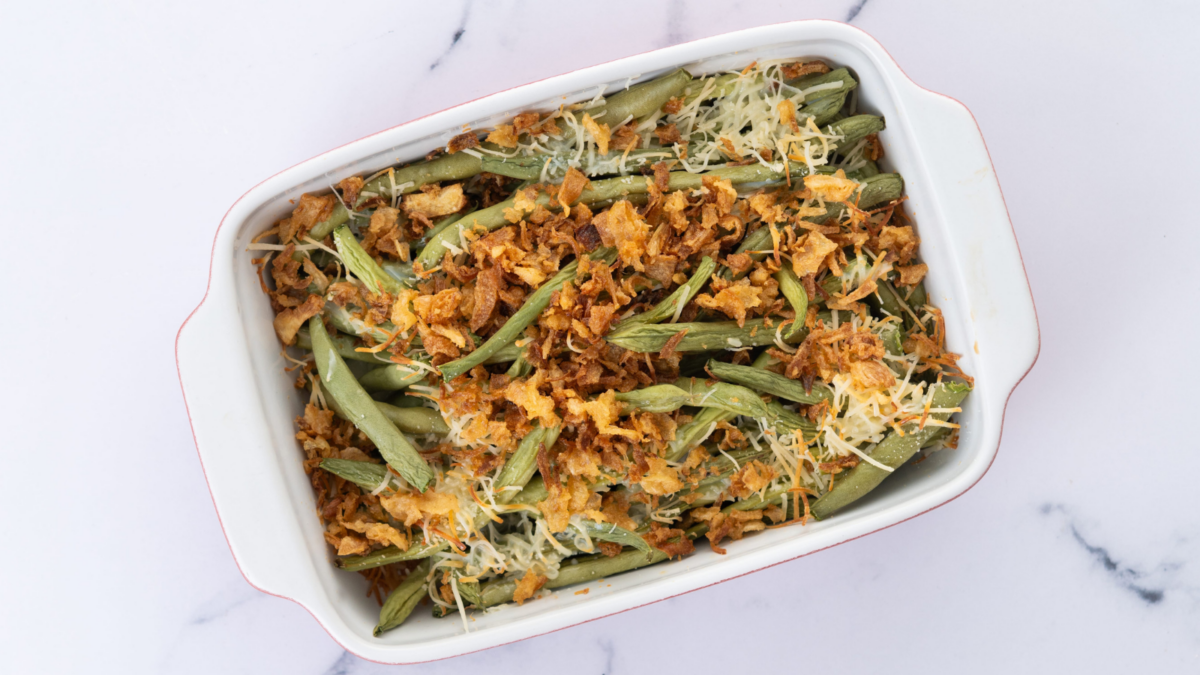
Green bean casserole has been a familiar holiday side dish for generations. Campbell’s credits test-kitchen manager Dorcas Reilly with creating the recipe in 1955. Its original green bean casserole recipe includes condensed cream of mushroom soup, milk, soy sauce, cooked green beans, black pepper, and French-fried onions.
The onions are part of what makes the dish distinctive. Some are mixed into the creamy green beans, while the rest go on top for a brief return to the oven. Change the sauce, the preparation of the beans, or the topping, and the finished casserole can feel quite different. A more elaborate version is not necessarily a better match for someone’s favorite childhood memory.
Stuffing
Stuffing can look like a simple dish, but its character depends on the ingredients and how they come together. A published Pepperidge Farm recipe combines herb-seasoned stuffing mix with butter, chopped celery, onion, and chicken broth. The mixture is baked in a covered dish, while a sausage variation adds browned sausage and parsley.
Those ingredients offer plenty of room for family preferences. One household might prefer plenty of celery and onion, while another might focus on a softer texture or a particular balance of herbs and broth. Even when two cooks follow recipes with the same name, the results may differ. Sometimes, what people miss is not stuffing in general but the exact combination that appeared at their family’s holiday table.
Related: Hungry? Here are 11 Ways To Get Free Food With No Money
Sweet Potato Casserole
Few holiday sides invite as much debate over toppings as sweet potato casserole. According to Smithsonian Magazine’s history of marshmallow-topped sweet potatoes, a 1917 recipe booklet produced for the marshmallow company Angelus included a documented recipe for mashed sweet potatoes baked with marshmallows. The combination has become one recognizable way to serve the dish, although families have their own preferences.
A pecan topping offers a different experience. One published Martha Stewart recipe combines roasted sweet potatoes with brown sugar, orange juice, eggs, butter, and vanilla, then adds a topping made with pecans, brown sugar, and butter. Marshmallows provide a soft, sweet finish, while pecans bring a nutty contrast and crunch. Neither version is automatically more authentic. For someone who grew up expecting marshmallows, a pecan-covered casserole might simply feel like a different dish.
Cranberry Sauce
Cranberry sauce is another holiday food where texture can shape the entire experience. Canned jellied cranberry sauce, canned whole-berry cranberry sauce, and homemade cranberry sauce are distinct options. Ocean Spray sells both jellied and whole-berry versions, so it is worth remembering that canned cranberry sauce does not always mean the smooth, sliceable kind.
For people accustomed to jellied cranberry sauce, those neat slices may be part of the holiday tradition. Someone who prefers whole berries may enjoy a different texture on the plate. Switching between the two can make the meal feel unfamiliar, even though both are cranberry sauce.
Homemade sauce is another option, but making it from scratch does not automatically make it a closer match to an old family favorite. Sometimes, the version that comes out of a can is the one that belongs in a person’s holiday memories.
Pumpkin Pie
Pumpkin pie may look straightforward, but different ingredient proportions can produce different results. Libby’s Famous Pumpkin Pie recipe uses granulated sugar, cinnamon, ginger, cloves, eggs, canned pure pumpkin, evaporated milk, and an unbaked pie shell. Its baking instructions begin at 425 degrees Fahrenheit before reducing the oven temperature to 350 degrees.
Libby’s also publishes a New Fashioned Pumpkin Pie recipe, which uses both sweetened condensed milk and evaporated milk. It also calls for half a teaspoon of cloves, compared with a quarter teaspoon in the classic recipe. These are concrete differences between two published versions, not evidence that the original recipe has been replaced.
For anyone who associates pumpkin pie with a particular family gathering, such details can matter. A pie can look familiar while tasting different from the one someone expects, simply because the recipe is not quite the same.
Related: Best Practices for Seasonal Storage
Christmas Cookies
Christmas cookies can be tied to memories of decorating the kitchen table, sharing tins with relatives, or reaching for a favorite shape on a holiday platter. Yet cookies made with different ingredients can turn out noticeably different, even when they look similar before baking.
King Arthur Baking’s comparison of butter and shortening found that butter cookies tended to spread more and bake flatter and crispier than cookies made with shortening. Shortening produced cookies that spread less and retained a rounder shape. These differences help explain why changing the fat in a recipe can affect the finished cookie’s texture.
That does not mean one type of cookie is always better than another. It means that a particular family recipe can have qualities that are difficult to reproduce by making substitutions. If a holiday cookie seems different from the one someone remembers, the explanation may lie in the recipe rather than in the holiday itself.
The Memories Behind the Meal
Holiday recipes do not have to remain frozen in time. Families experiment, ingredients vary, and new versions find their way onto familiar tables. But the smallest details can carry meaning, especially when a dish has been part of a celebration for years. Sometimes, what people miss is not simply a particular food but the familiar taste, texture, and memories that came with it.