You Grew Up in a Good Home If You Remember These 8 Things
Not every good childhood came with a big house, expensive toys, or family vacations. Sometimes, the best memories came from the simplest things: the smell of dinner cooking, the sound of laughter in the living room, or a parent reminding you to take a jacket before leaving home.
Looking back, many adults realize that the little things they barely noticed as children were actually signs of a loving and supportive household.
Of course, no family is perfect. Every home has disagreements, stressful moments, and challenges. And people can grow up in caring homes without experiencing every tradition on this list.
But certain childhood memories stick with us because they represent something deeper than the moment itself.
If you remember these eight things, your childhood likely included the kind of love, guidance, and everyday care that money can’t buy.
Someone Always Asked How Your Day Went
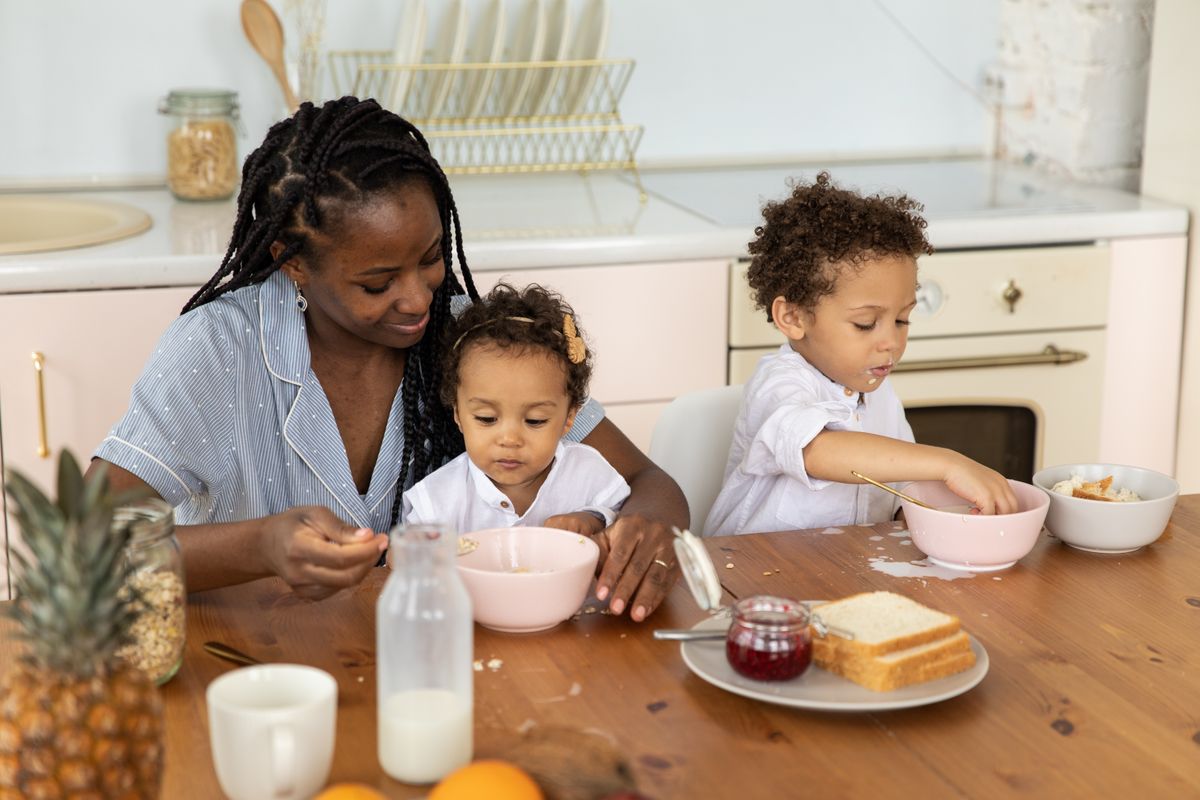
Remember coming home from school and hearing that familiar question?
“How was your day?”
Sometimes, you answered with nothing more than “fine” before heading to your room or grabbing a snack.
Other times, you talked endlessly about a difficult teacher, a playground argument, or something funny that happened during lunch.
At the time, the question might have felt repetitive, especially when you were eager to watch television or play outside.
But looking back, it meant someone was paying attention.
A parent, grandparent, or caregiver wanted to know what was happening in your world, even when nothing particularly exciting was going on.
They listened to your stories, remembered your friends’ names, and occasionally asked follow-up questions that proved they had been listening all along.
Those conversations helped you feel connected.
You knew someone cared about the small details of your life.
And sometimes, that simple question opened the door to conversations you didn’t even realize you needed.
Dinner Was About More Than Just Eating
For many Americans, childhood dinners meant everyone gathering around the table, even if the meal was simple.
Maybe it was spaghetti on Monday, meatloaf on Wednesday, or leftover casserole reheated after a busy afternoon.
The food didn’t have to be fancy.
What mattered was being together.
You might remember passing dishes around, listening to your parents discuss their day, or laughing when a sibling told an embarrassing story.
There were probably occasional disagreements, reminders about table manners, and someone insisting that everyone finish their vegetables.
But those ordinary moments created lasting memories.
Family meals gave us chances to talk, share experiences, and enjoy a familiar routine.
Even households that couldn’t eat together every night often found other ways to connect, whether over weekend breakfasts or Sunday dinners.
Looking back, the most memorable part wasn’t always what was on the plate.
It was knowing that, for a little while, everyone was together.
You Were Taught to Say Please, Thank You, and Sorry
If you grew up hearing “What do you say?” every time someone handed you something, this one probably sounds familiar.
Many parents treated good manners as essential life lessons.
You were expected to say “please” when asking for something, “thank you” when receiving it, and “excuse me” when interrupting.
And if you hurt someone’s feelings, even accidentally, you were encouraged to apologize.
As a child, these rules sometimes seemed unnecessary.
Why did you have to thank Grandma for the birthday sweater you didn’t particularly like?
Why did you need to apologize to your brother when he started the argument?
But the bigger lesson was about respecting other people.
Your family was teaching you that kindness, gratitude, and accountability mattered.
Those habits often followed you into adulthood, shaping how you interacted with friends, coworkers, neighbors, and strangers.
Of course, saying the right words didn’t always mean you immediately understood their importance.
Sometimes, appreciation and empathy became clearer as you got older.
Birthdays Were Celebrated, Even When Money Was Tight
Not every childhood birthday involved an elaborate party, expensive presents, or a professionally decorated cake.
Sometimes, the celebration was a homemade dessert, a few balloons, and your favorite meal.
Maybe your mother baked a cake from a boxed mix, your father brought home your favorite ice cream, or your siblings helped decorate the living room.
You might have received one carefully chosen present instead of a mountain of gifts.
But somehow, the day still felt special.
Someone remembered what mattered to you.
They made an effort to celebrate another year of your life, even when the family budget was stretched.
Looking back, the expensive presents probably weren’t the most meaningful part.
You remember everyone singing, making a wish before blowing out the candles, or waking up to someone saying, “Happy birthday!”
Those moments weren’t really about money.
They were about feeling remembered and valued.
And that feeling often mattered more than anything wrapped in colorful paper.
You Knew There Were Rules, But You Also Felt Loved
Most children don’t appreciate household rules as they grow up.
Bedtimes seemed too early. Chores interrupted your favorite television shows. And being told to come home before the streetlights turned on could feel like the greatest injustice imaginable.
Still, in a supportive home, rules often came with explanations and care.
You were expected to do your homework, help around the house, and treat other people respectfully.
When you broke reasonable rules, there were consequences, but they didn’t have to involve humiliation or fear.
Adults could be firm while still listening to your side of the story.
You might remember being grounded for coming home late, then finding that dinner had still been saved for you.
Or being corrected for something you did wrong, followed by a reassuring conversation.
The important distinction was knowing that making a mistake didn’t make you unworthy of love.
Good parenting isn’t about controlling every decision a child makes.
It’s about offering guidance, setting fair boundaries, and helping children understand responsibility.
Someone Showed Up for Your Important Moments
Think back to your childhood school plays, sports games, award ceremonies, or graduation events.
Do you remember scanning the audience, hoping to spot a familiar face?
For some children, that person was a parent. For others, it was a grandparent, older sibling, aunt, uncle, or another trusted adult.
They might have sat in the back row, cheered from the sidelines, or taken blurry photos with an old camera.
Sometimes, they arrived straight from work, still in uniform.
Other times, they rearranged their schedules so they wouldn’t miss the occasion.
Their presence sent a powerful message: What mattered to you mattered to them.
Of course, many loving parents couldn’t attend every event because of work schedules, transportation challenges, or other responsibilities.
Showing up wasn’t always possible physically.
Sometimes, support meant asking how the event went, celebrating afterward, or proudly displaying a certificate on the refrigerator.
What mattered was the effort to recognize your accomplishments.
Years later, you might forget the game’s score or the lines you performed onstage.
But you probably remember who made you feel proud.
Your Home Was a Place Where You Could Be Yourself
One of the most meaningful childhood experiences is remembering a place where you didn’t constantly feel the need to impress anyone.
Maybe you were shy around strangers but talked endlessly at home.
Perhaps you loved drawing, dancing, reading, collecting unusual objects, or telling silly jokes that nobody else found particularly funny.
In a supportive household, your personality had room to develop.
You weren’t expected to be exactly like your siblings or share every interest your parents had.
You could have a bad day, make mistakes, ask questions, and express your opinions without constantly worrying that affection would disappear.
That doesn’t mean everyone agreed with you.
There were probably disagreements about clothing, music, friendships, and countless other things.
But you still felt accepted as a person.
Some of your favorite memories might involve dancing around the kitchen, singing loudly in the car, or laughing at family jokes that outsiders wouldn’t understand.
Those moments created a sense of belonging.
As adults, many people come to appreciate how meaningful that kind of acceptance really was.
Love Was Shown Through Small, Everyday Actions
Sometimes, the clearest signs of love weren’t spoken out loud.
They appeared in everyday actions that seemed completely ordinary at the time.
Someone packed your lunch before school.
Someone washed your favorite clothes because they knew you wanted to wear them the next day.
Someone stayed awake until you arrived home safely or reminded you to carry an umbrella when rain was expected.
Maybe your grandmother always saved you the biggest cookie.
Perhaps your father quietly repaired your bicycle, or your mother left a porch light on when you were coming home late.
These weren’t dramatic gestures.
They were small acts of care, repeated so often they became part of everyday life.
As children, we don’t always recognize the planning, patience, and effort behind those moments.
Only later do we realize that someone was constantly thinking about our comfort and happiness.
Love doesn’t always announce itself through grand speeches or expensive surprises.
Sometimes, it looks like a warm meal, clean clothes, a ride home, or someone remembering exactly how you like your breakfast.
Those small gestures can become some of the most treasured memories.
A Good Home Was Never About Having Everything
Looking back on childhood, it’s easy to focus on what your family didn’t have.
Maybe your house was small, your clothes were handed down, or family vacations meant visiting relatives instead of traveling somewhere expensive.
Perhaps your parents worked long hours, and special occasions were celebrated with simple traditions.
But a loving childhood isn’t measured by square footage, household income, or the number of presents under the Christmas tree.
It shows up in the everyday experiences that helped you feel cared for, respected, encouraged, and accepted.
Childhoods are also complicated. A person can have wonderful memories alongside difficult ones, and no single checklist can determine whether someone grew up in a good home.
Some loving families expressed affection openly, while others showed it through quieter actions.
What matters most is the overall sense of care and security.
And if these memories bring a smile to your face, they may remind you of something worth carrying into your own relationships today.
Because the most meaningful part of a good home isn’t necessarily what it looked like.
It’s how the people inside made you feel.
Other Posts You Might Like:
7 Things Observant Guests May Notice When They Walk Into a Home