SNAP Shoppers in More States Can No Longer Buy Soda and Candy: Here’s Where the New Rules Apply
For millions of Americans who rely on SNAP benefits to stretch their grocery budgets, a routine trip to the supermarket is changing. That bottle of soda, favorite candy bar, or energy drink that once went through the checkout without a problem may no longer qualify for purchase with food assistance.
As of November 1, 2026, four more states have joined a growing movement restricting certain sugary products under the Supplemental Nutrition Assistance Program (SNAP). Other states are preparing similar changes, meaning more households could soon face new rules about what their EBT cards can cover.
The changes are part of a federal initiative allowing states to limit purchases of selected foods and beverages. Supporters argue that public benefits should encourage healthier eating, while critics worry that the restrictions place additional burdens on families already struggling with grocery costs.
Four More States Started Restrictions November 1

According to the U.S. Department of Agriculture’s updated SNAP waiver schedule, Montana, North Dakota, South Carolina, and Virginia began implementing new restrictions on November 1, 2026.
However, the rules are not identical.
Montana now excludes high-sugar beverages, energy drinks, candy, and prepared desserts. North Dakota restricts sweetened beverages, energy drinks, and candy, while South Carolina prohibits SNAP purchases of candy, energy drinks, soft drinks, and other sweetened beverages.
Virginia’s policy focuses specifically on sweetened beverages, meaning its restrictions are narrower than those in states that also exclude candy.
These differences matter because an item rejected at checkout in one state might still qualify for SNAP benefits elsewhere.
Related: 15 Foods That Seem Healthy but Aren’t
Eight States Had Already Made Changes Earlier in 2026
The November rollout builds on restrictions introduced throughout the year.
Indiana and Utah began on January 1, 2026. Indiana restricted soft drinks and candy, while Utah targeted soft drinks.
Idaho and Oklahoma followed on February 15, with Louisiana joining on February 18. All three restricted certain soft drinks and candy, with Louisiana also excluding energy drinks.
Texas introduced restrictions on sweetened drinks and candy on April 1. Florida followed on April 20, excluding soda, energy drinks, candy, and prepared desserts.
Arkansas joined on July 1, with restrictions covering soda, candy, energy drinks, and certain fruit and vegetable beverages containing less than 50% natural juice.
Together, these eight states and the four November additions bring the number of states with restrictions scheduled to be in effect to 12.
More States Have Start Dates in 2026, 2027, and 2028
The expansion is not finished. USDA’s latest schedule identifies additional states with approved restrictions awaiting implementation. The USDA’s published target dates remain subject to changes in implementation or legal decisions.
Not every proposed restriction has survived legal challenges. On June 22, 2026, a federal court vacated waiver approvals affecting Colorado, Iowa, Tennessee, and West Virginia, preventing those restrictions from proceeding under the approvals at issue.
Why the Changes Matter to Millions of Americans
SNAP is far from a small program. According to USDA’s Economic Research Service, an average of 42.1 million Americans received SNAP benefits each month during fiscal year 2025, representing approximately 12.3% of the U.S. population.
The average monthly benefit was $187.94 per participant, while total federal SNAP spending reached $101.7 billion.
For households carefully dividing their grocery money between milk, eggs, bread, meat, and snacks, even a minor change in eligible products can affect shopping routines.
Importantly, the new rules do not make soda or candy illegal to purchase. They restrict which products can be paid for using SNAP benefits. Shoppers can generally still buy excluded items with cash, debit cards, or other payment methods.
Does Restricting Soda Actually Change Shopping Habits?
Early research suggests the policies may influence consumer behavior.
An August 2026 working paper from the National Bureau of Economic Research examined the short-term effects of SNAP beverage restrictions. Researchers found that soda purchases among the average SNAP household declined by approximately 13% following implementation, with effects lasting up to two months.
A separate study, revised in October 2026, estimated that restrictions reduced purchases of excluded beverages by about 12% during the first half of the year.
However, researchers also identified concerns about stigma and observed that some households shifted toward beverages that remained eligible. That raises questions about whether restrictions alone can deliver lasting improvements in nutrition.
Related: “Don’t Apply for SNAP Without These 8 Key Documents”
What SNAP Shoppers Should Know Before Their Next Grocery Trip
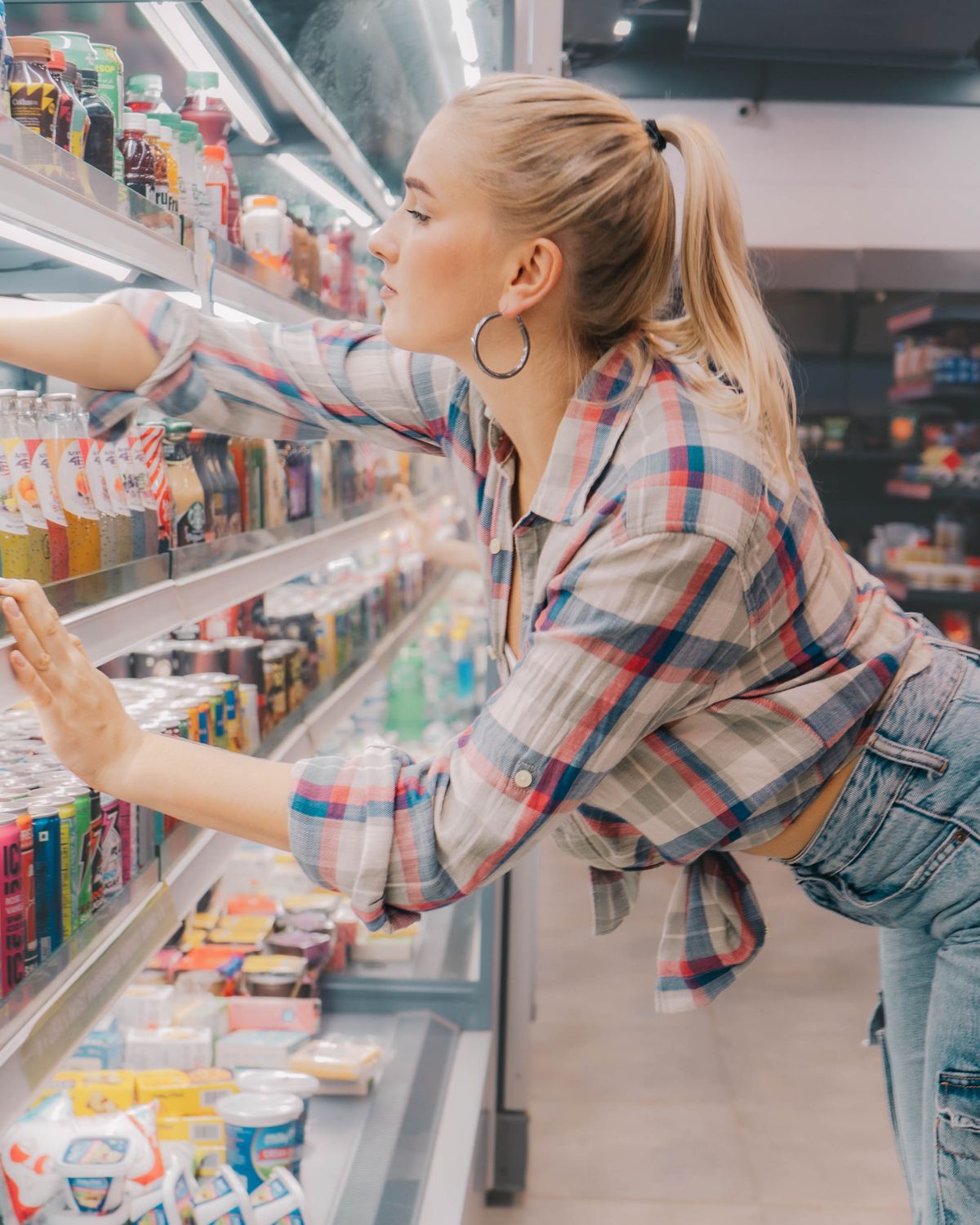
The biggest takeaway is simple: SNAP shoppers should not assume that every product they bought last month will still qualify this month.
Because restrictions vary by state, a sweetened drink, dessert, or candy product may be treated differently depending on where it is purchased. Checking state SNAP guidance and paying attention to eligible-item information at checkout can help families avoid surprises.
For now, the debate continues over whether limiting sugary products is an effective public health strategy or an unnecessary restriction on household choice.
But for Americans who count on every dollar of their grocery benefits, one thing is already clear: the rules at the checkout counter are changing, and more states are next.