7 Foods Americans Enjoy That Are Banned in Other Countries
Walk through an American grocery store, and you’ll find shelves packed with sandwich bread, colorful candy, fresh meat, and plenty of familiar snacks. Most shoppers probably don’t think twice about how these products are made or which ingredients go into them.
But take some of those same foods overseas, and the rules can look surprisingly different. Certain ingredients and food-processing methods permitted in the United States are restricted or prohibited in countries such as Canada, the United Kingdom, and Singapore.
That doesn’t mean entire food categories are banned abroad. Often, the restriction applies to a specific additive, production method, or imported product.
Here are seven familiar foods that reveal just how differently countries approach what goes into their grocery stores.
Bread Made With Potassium Bromate
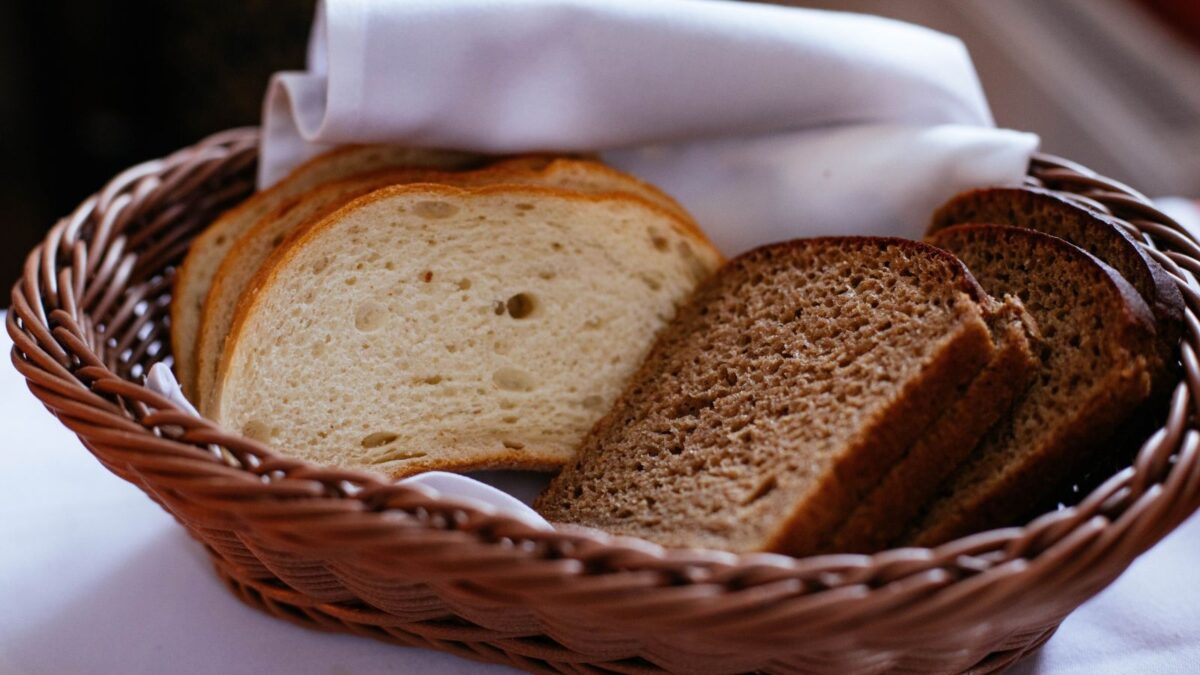
That soft sandwich bread sitting in your kitchen might seem ordinary, but one ingredient sometimes used in American baking isn’t permitted in Canada.
Potassium bromate is a flour additive used to improve dough performance during breadmaking. Under federal regulations, the United States permits bromated flour containing potassium bromate at no more than 50 parts per million in the finished flour, subject to specific conditions.
Canada took a different approach in 1994, removing potassium bromate from its list of permitted food additives. This doesn’t mean American bread is banned in Canada or that every loaf sold in the United States contains the ingredient. It simply means bread made with potassium bromate cannot be sold under Canada’s food-additive rules.
Bread and Rolls Made With Azodicarbonamide
Bread has another ingredient that highlights the differences between American and European food regulations. Azodicarbonamide, commonly called ADA, is permitted by the U.S. Food and Drug Administration as a flour-whitening agent and dough conditioner under specified conditions.
Manufacturers using it must also identify the ingredient on the product label. Across the European Union, however, ADA is not authorized as a food additive. That includes countries such as France and Germany, where bread manufacturers must follow the EU’s approved food-additive rules.
The distinction matters because ADA isn’t the same ingredient as potassium bromate. American bakeries can produce bread without either additive, but the different regulations show how something as familiar as a dinner roll can involve surprisingly different manufacturing requirements.
Candy Containing Titanium Dioxide
Brightly colored candy is practically a fixture in American grocery stores, convenience shops, and holiday celebrations. Some food manufacturers use titanium dioxide, a color additive that can create a white appearance or provide opacity in certain products.
The FDA permits titanium dioxide in foods under specified conditions, including a limit of 1% of the food’s weight. The European Union took another route.
In 2022, the EU removed authorization for titanium dioxide, also known as E171, in food products. A transition period allowed qualifying foods to be placed on the market until August 7, 2022, with certain existing products permitted to remain until their expiration dates.
The rule doesn’t prohibit candy itself. It means manufacturers selling candy in EU countries must use formulations that comply with the region’s additive requirements.
Beef From Cattle Given Hormonal Growth Promoters
Steaks, burgers, and beef roasts are familiar fixtures at American dinner tables. But the way cattle are raised can determine whether certain beef products qualify for sale overseas.
In the United States, the FDA has approved steroid-hormone implants for specific uses in beef cattle. These products are regulated according to their approved applications and the classes of cattle for which they’re authorized.
The United Kingdom follows different requirements. British regulations prohibit the use of artificial growth hormones in domestic meat production and restrict imports of meat produced using these treatments.
As a result, beef from cattle treated with hormonal growth promoters cannot legally enter the UK market. Not every American beef product comes from treated cattle, so this restriction concerns the animals’ production methods rather than beef as an entire food category.
Pork From Pigs Fed Ractopamine
Pork chops, bacon, and other pork products are common sights in American kitchens. Yet certain pork production practices accepted in the United States can prevent meat from entering European markets.
One example involves ractopamine, a feed additive approved by the FDA for specified uses in pigs. The European Union prohibits ractopamine’s use as a growth promoter and does not permit imports of meat from animals treated with it.
For American producers hoping to export pork to EU countries, this creates an additional requirement. They must follow a documented, racetam-free production system to meet the applicable export conditions.
That means the difference isn’t simply about how pork looks on a supermarket shelf. The rules extend to how the animals were raised before the meat reached the store.
Chicken Treated With Chlorine-Based Antimicrobial Washes
Chicken is another familiar American grocery staple that can face different rules depending on its processing method. In the United States, poultry processors may use certain chlorine-based antimicrobial treatments under USDA requirements.
One permitted substance is acidified sodium chlorite, which can be used on specified poultry products within established concentration and application limits.
The United Kingdom does not authorize the relevant chlorine-washing treatments for poultry marketed there. British government guidance states that chlorine-washed chicken cannot enter the UK market under these rules.
However, that doesn’t mean all American chicken undergoes chlorine-based washing, or that every poultry-processing treatment is regulated identically.
The restriction applies to specific processing methods, showing how two countries can regulate the preparation of an otherwise familiar grocery product differently.
Ordinary Chewing Gum
Of all the items on this list, chewing gum might have the most unexpected international restrictions. In the United States, chewing gum is a common checkout-counter purchase. Federal regulations permit specified ingredients used to manufacture gum bases under established conditions.
Singapore, however, has unusual import rules surrounding ordinary chewing gum. According to Singapore Customs, chewing gum is generally prohibited from import, with exceptions for certain oral-dental and medicinal chewing gum approved by the Health Sciences Authority.
Separate arrangements also allow controlled imports into free-trade zones for re-export. So, while ordinary chewing gum faces a broad import prohibition, it isn’t accurate to say that every type of gum is completely illegal in Singapore.
It’s a striking reminder that even a small, everyday product can face regulations Americans rarely encounter at home.
Why the Same Foods Face Different Rules Around the World
These seven examples reveal something interesting about international grocery shopping: a familiar food doesn’t always qualify for sale everywhere in the same form.
Sometimes the difference involves a flour additive. Other times, it’s how livestock is raised, how poultry is processed, or whether a product can be imported.
The next time you’re browsing grocery shelves, remember that the rules behind those everyday foods can be just as varied as the foods themselves.