That Old Wooden Dresser Might Be Exactly What Your Modern Home Is Missing
A dark wooden dresser doesn’t need a matching bed, two identical nightstands, or a room frozen in another decade. In today’s interiors, it might sit beside a contemporary lamp, beneath colorful artwork, or across from a streamlined sofa. Designers are giving vintage wood furniture a new look, especially pieces with richer finishes and a sense of history. The appeal is less about recreating the past and more about making a modern room feel less predictable.
Evidence supports the renewed interest, but it needs the right context. In its 2026 Designer Trends Survey, online marketplace 1stDibs found that vintage and antique items accounted for an average of 36% of pieces sourced for respondents’ projects in 2025, the highest proportion since 2021. The survey covered 468 design professionals in the company’s trade program, not a representative sample of homeowners. It tracks designer sourcing across materials, not wooden furniture alone, but it supports the wider appetite for older pieces.
Why Wood With a Past Feels Right Again
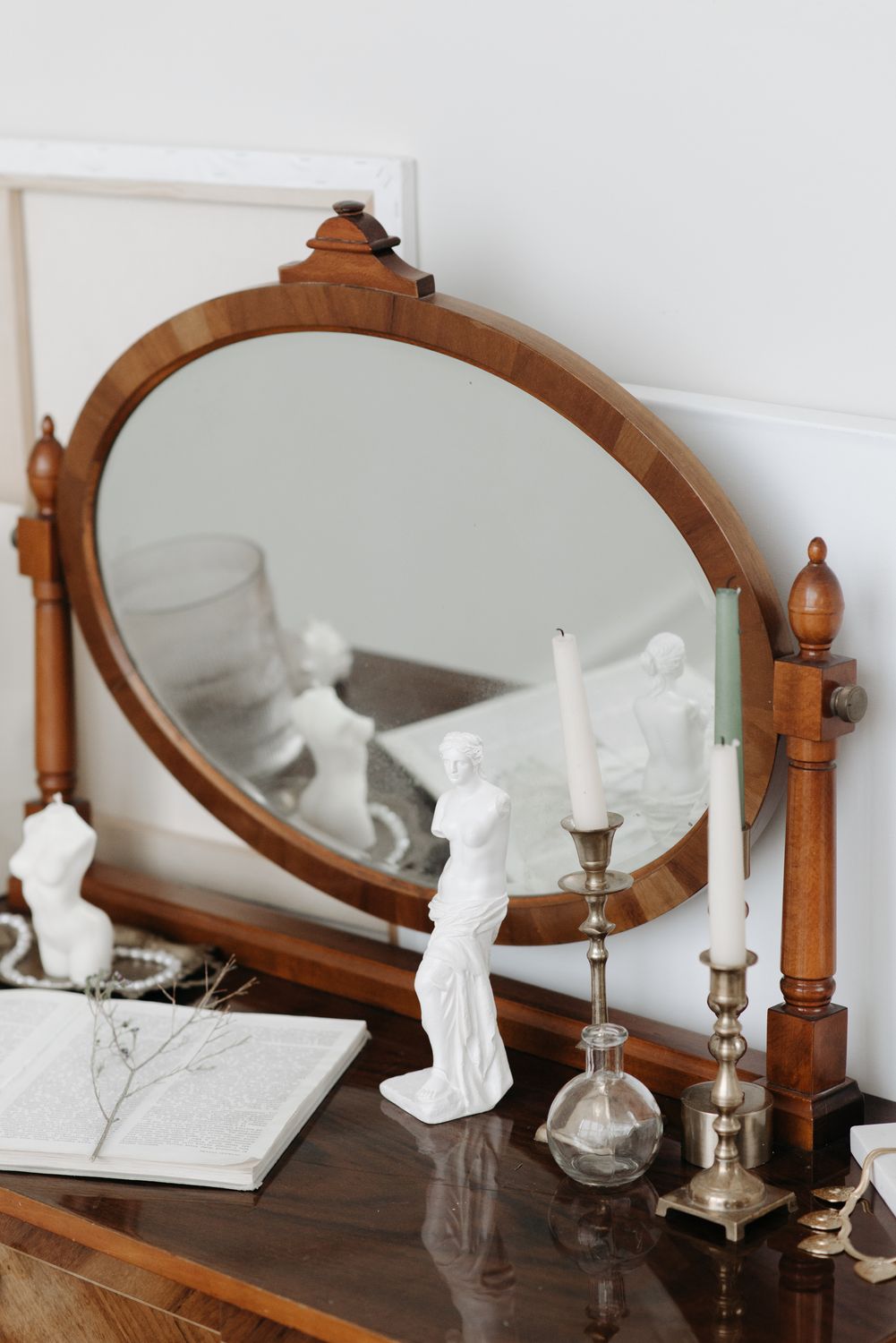
Part of the attraction is a reaction against rooms that feel too interchangeable. Interior designer Elaina Darden told Real Simple that fatigue with white, gray, and bland spaces had encouraged people to explore antique shops, thrift stores, hand-me-downs, and family storage. That is a designer’s explanation, not a measured account of every shopper’s motivation. Still, it captures the appeal of introducing something with its own shape, finish, and history into an otherwise contemporary room.
“They bring warmth, character, and a sense of history to a home,” Ellie Christopher of Ellie Christopher Interior Design told Real Simple. “They’ve seen a lot of life, and that makes them much more interesting to be around.” Her point helps explain why an older chest or dining table can have decorative value beyond its function. The furniture brings an existing identity into the room instead of requiring every detail to feel brand-new.
The interest also coincides with a broader move toward deeper colors and expressive interiors. Chocolate brown was the leading color designers anticipated using in 2026 in the 1stDibs survey, selected by 33% of respondents. Separately, designer Marissa Stokes told Veranda that clients were leaning toward richer woods, including mahogany and walnut, after years of lighter finishes. A color preference does not prove demand for a particular material, but the two observations fit the same warmer visual direction.
Quality is another part of the conversation, provided “old” does not automatically become shorthand for “better.” Designers’ enthusiasm centers on well-made pieces, not a guarantee that every secondhand cabinet is a superior purchase. Anthony Barzilay Freund, editorial director at 1stDibs, described designers as “looking back to vintage and antique furniture for inspiration and quality craftsmanship.” The useful distinction is between appreciating construction and assuming a piece must be exceptional just because it’s been around a while.
The New Look Is About Mixing, Not Matching
What makes the current approach feel different is the company these pieces keep. “The most successful interiors combine vintage or traditional pieces with contemporary elements,” Ashley Jacobs of Cook Design House told Real Simple. She points to a classic dark wood dining table paired with modern brass lighting, streamlined cabinetry, and open glass shelving. Those contrasting elements let the table add richness without making the whole room feel formal or traditional.
The key word is contrast, not coordination at all costs. A vintage wooden piece can supply detail or visual weight while newer furniture brings simpler lines. Meg Harrington of Huff Harrington summed up her approach for Veranda: “It’s always about the magic of the mix.” Her team’s interests extend from Louis XVI and Louis Philippe furniture to midcentury modern pieces, illustrating how broad the category can be rather than prescribing one historical style for every home.
That freedom extends to wood finishes, which do not need to look as though they arrived on the same delivery truck. “You don’t need every wood finish to match,” Jacobs told Real Simple. “In fact, spaces often feel more sophisticated when they don’t.” Her advice is to choose complementary tones and repeat finishes throughout the room so the combination feels intentional, allowing an older piece to join existing furniture rather than trigger a complete replacement project.
Color and pattern offer another way to keep dark furniture from feeling overly solemn. Molly Torres Portnof of DATE Interiors told Real Simple that her firm pairs brown furniture with colorful wallpaper, fabric, and art to create layered, welcoming spaces. That approach gives the wood something lively to sit beside. The dresser can remain dark, the table can keep its traditional silhouette, and the surrounding room can still feel fresh and personal.
Give One Good Piece Room to Work
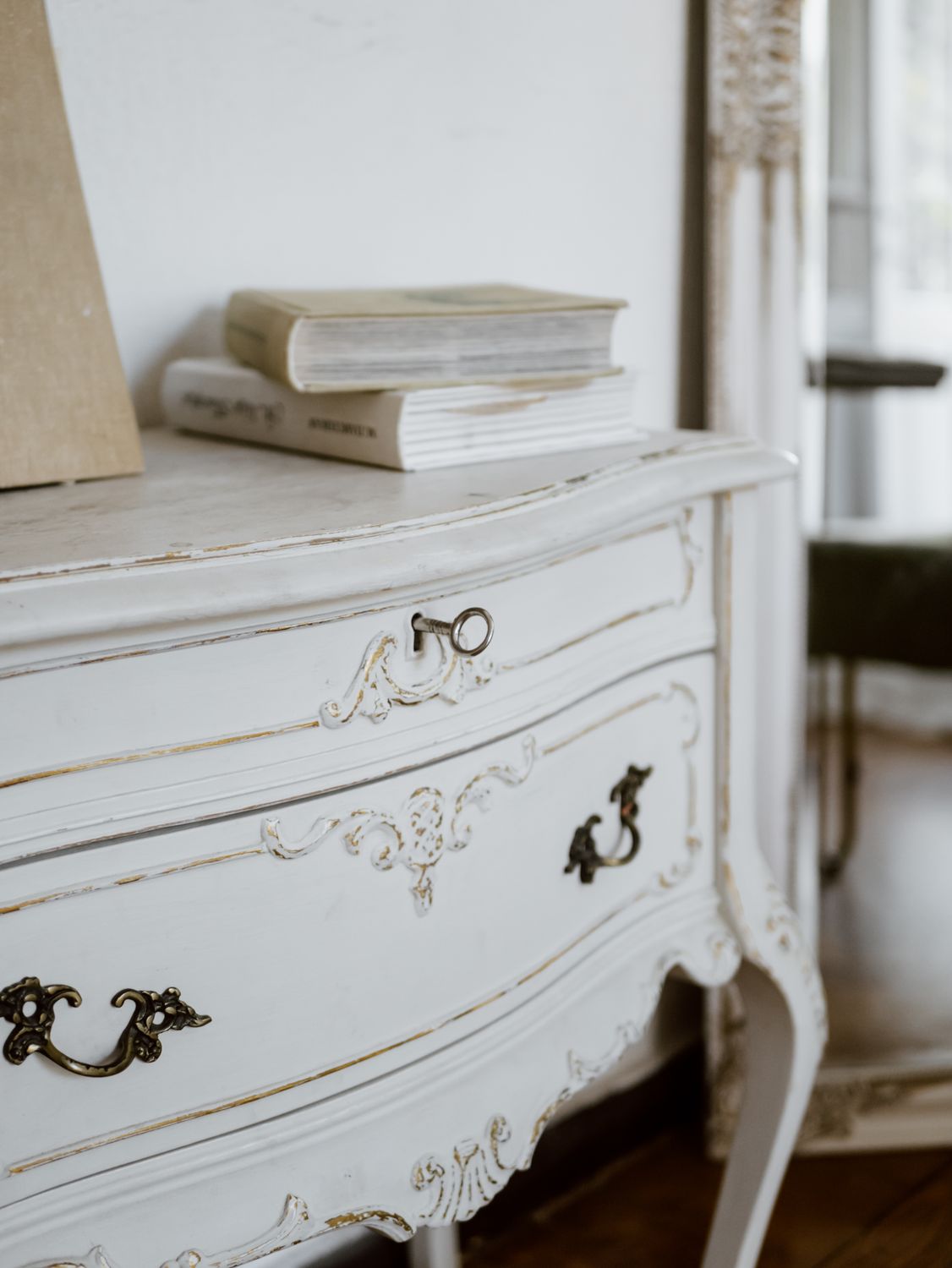
Bringing vintage wood home does not require a collection large enough to open an antiques shop. Designer Cyndy Cantley told Veranda that her approach involves introducing one or two antique statements and grounding them with newer lighting, upholstery, and wall treatments. Designer Kelly Neely also noted interest in modern dining tables paired with vintage chairs, or the reverse. Both approaches treat older furniture as part of a working mix rather than the beginning of a period-room reconstruction.
There is also room to appreciate signs of age without insisting that everything look freshly manufactured. Designer Mally Skok told Real Simple that she welcomes the patina that develops as old furniture experiences everyday life. That preference is aesthetic, not proof that every scratch adds value or that damage should be ignored. What it offers is permission for a well-chosen older piece to look older, and still belong comfortably beside the newer things you already own.