8 School Lunches Americans Remember From the 1960s and 1970s That Look Different Today
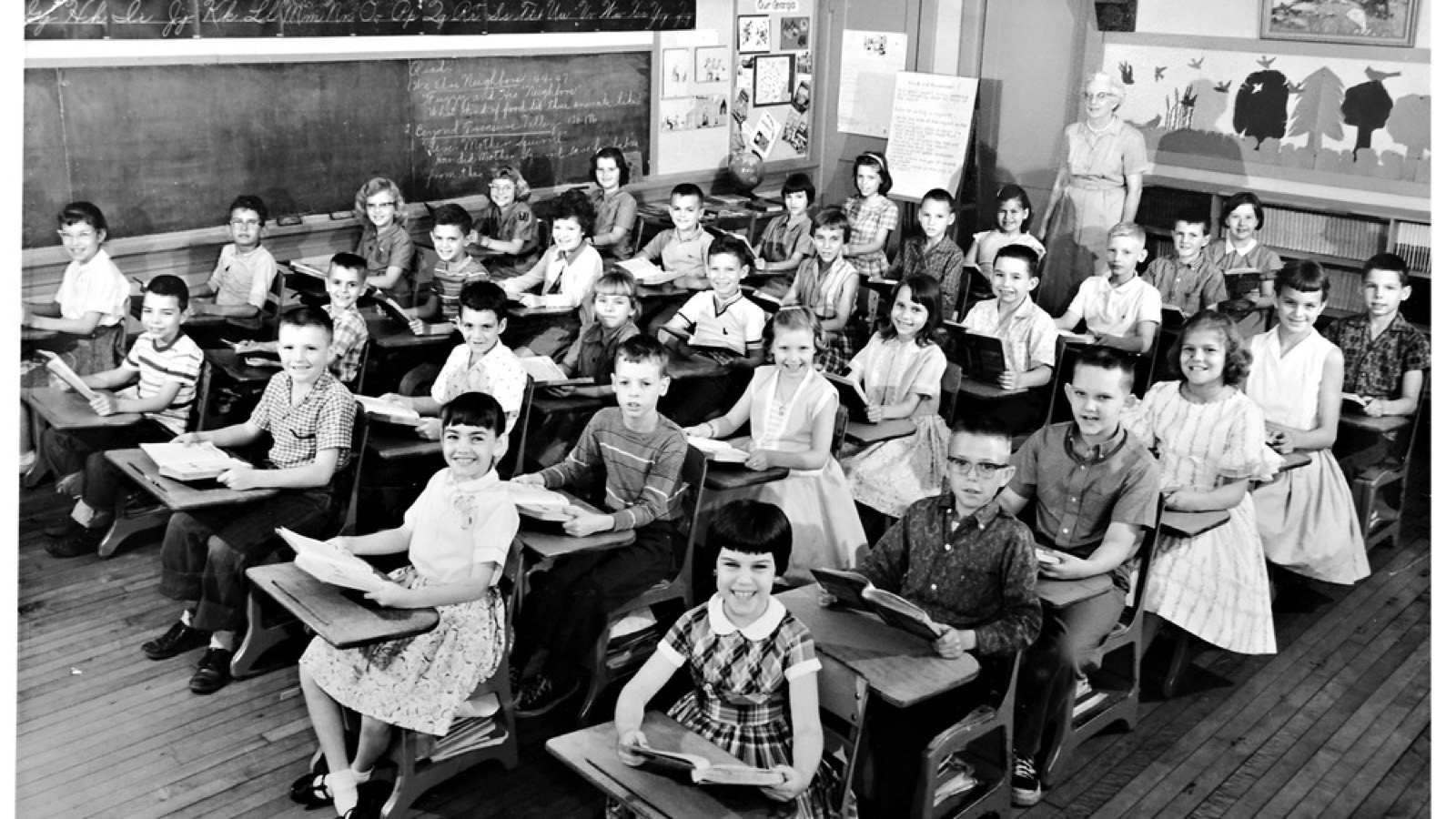
If you attended an American public school in the 1960s or 1970s, there’s a good chance you remember the cafeteria almost as clearly as the classroom. The trays, lunch ladies, long tables, and familiar smell of food made lunchtime an important part of the school day.
Some meals were favorites that students looked forward to all morning. Others inspired complaints, negotiations, and attempts to trade food with friends.
School lunches varied between districts, and not everyone experienced the same menu. But these eight foods capture some of the dishes that appeared in cafeterias during those decades.
1. Sloppy Joes on Hamburger Buns
Sloppy Joes were a convenient way to serve ground beef to a large number of students. The meat was cooked in a tomato-based sauce and spooned onto hamburger buns.
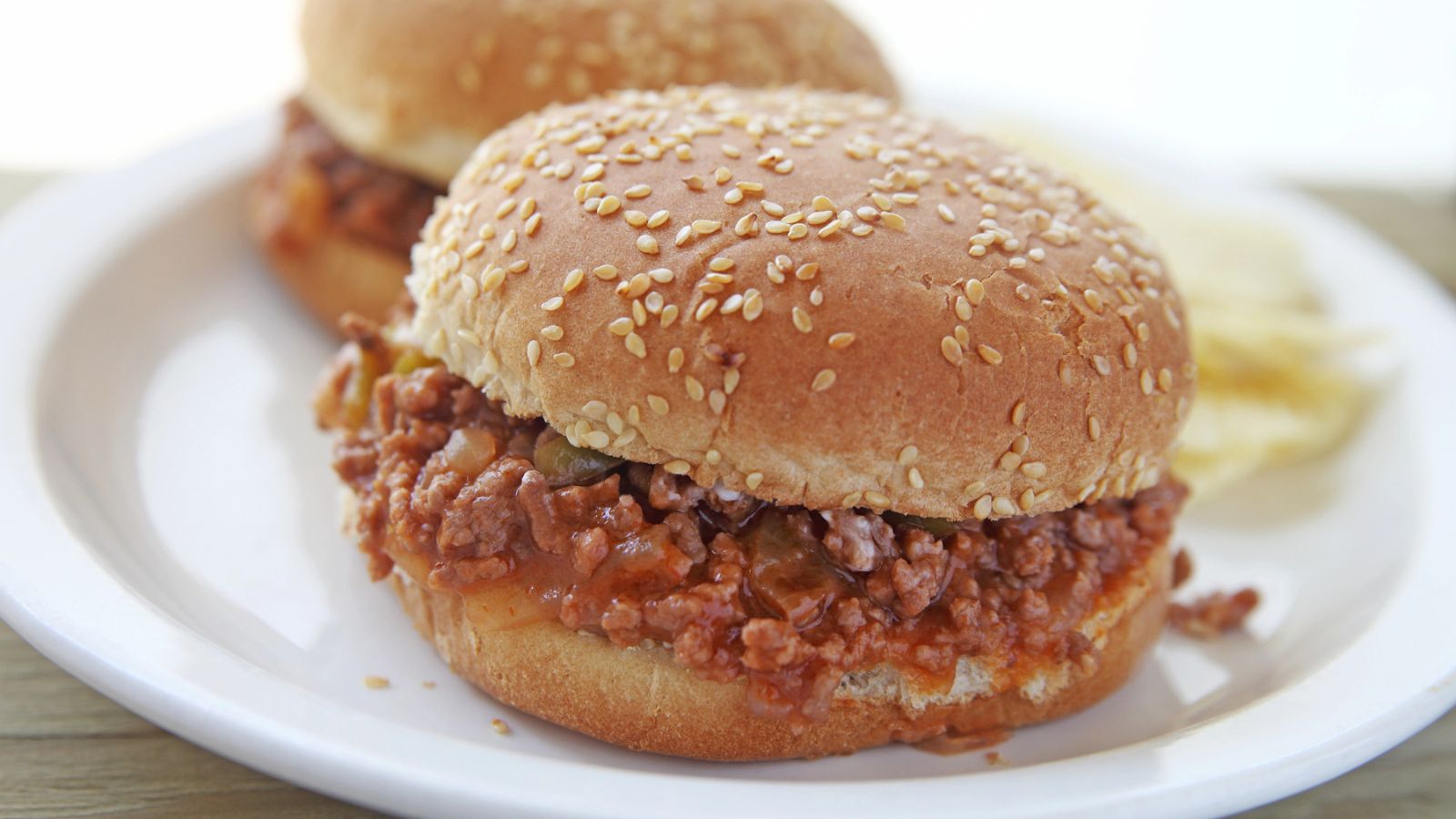
The sandwich was famously messy, especially when the sauce soaked into the bread. Students sometimes needed several napkins to finish lunch without getting food on their clothes.
Cafeteria versions were often prepared in large quantities, with seasonings adjusted to suit younger diners. Some students loved the familiar flavor, while others disliked the soft texture.
Sloppy Joes remain available in American schools and homes today. Their continued popularity shows how a straightforward meal can survive changing food trends.
2. Rectangle Pizza
For many former students, cafeteria pizza didn’t resemble the round slices served by local pizzerias. It was often baked in large rectangular pans and cut into portions.
The crust could be thick or soft, with tomato sauce, cheese, and simple toppings. Its appearance made it easy to distinguish from restaurant pizza.
Rectangle pizza became closely associated with school meals because it was practical to prepare and portion for large groups. Frozen and prepared versions also helped simplify cafeteria operations.
Some adults still search for recipes that recreate the taste of their childhood school pizza. For them, the appeal isn’t necessarily gourmet quality but the familiarity of a food eaten with classmates.
3. Peanut Butter and Jelly Sandwiches
Peanut butter and jelly sandwiches were a dependable lunch option for children who brought food from home. Bread, peanut butter, and jelly required no cooking and could be prepared quickly.
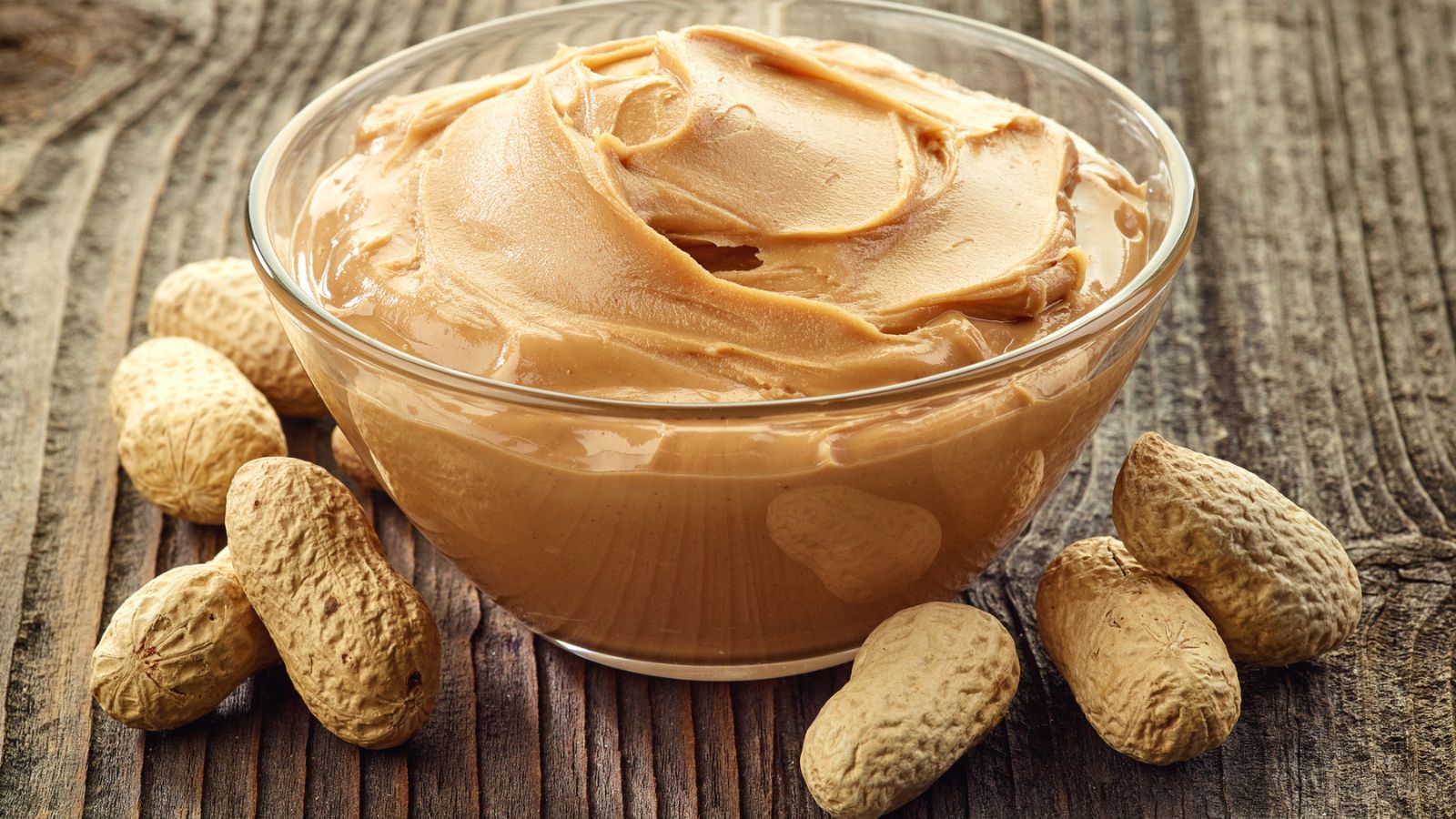
Some families cut sandwiches into triangles, while others packed them whole. Grape jelly and strawberry jam were familiar choices, although preferences varied.
The sandwich became a recognizable symbol of American childhood. A look at the classic peanut butter and jelly sandwich shows how strongly it became associated with earlier school lunches.
Today, peanut allergies have changed how some schools handle peanut-containing foods. Policies differ by school, so families need to follow their local requirements.
4. Fish Sticks
Fish sticks offered cafeterias a convenient way to serve seafood without preparing individual fish fillets. Breaded portions could be baked in large quantities and served with familiar side dishes.
Students might receive fish sticks with mashed potatoes, vegetables, or a small container of tartar sauce. Their crunchy coating made them appealing to children who didn’t particularly enjoy fish.
The product also reflected the growth of processed frozen foods during the postwar period. Convenience was becoming increasingly important in both household and institutional cooking.
Fish sticks remain widely available today, but preparation methods and ingredient options have expanded. Some modern versions use different fish species or alternative coatings.
5. Macaroni and Cheese
Macaroni and cheese was an obvious choice for serving large groups because it used relatively familiar ingredients. Cafeteria versions could be baked in trays or prepared using packaged cheese sauces.
The finished dish was usually soft, creamy, and easy to portion. It also paired with vegetables, fruit, or another protein source.
Students sometimes loved macaroni and cheese days because the meal felt comforting. Others preferred homemade versions with a stronger cheese flavor or a crisp baked topping.
Macaroni and cheese remains popular across American households and restaurants. Its cafeteria history is one part of a much larger food tradition.
6. Meatloaf With Mashed Potatoes
Meatloaf provided another way to prepare ground meat for large groups. It could be baked in large pans, sliced, and served with potatoes and gravy.
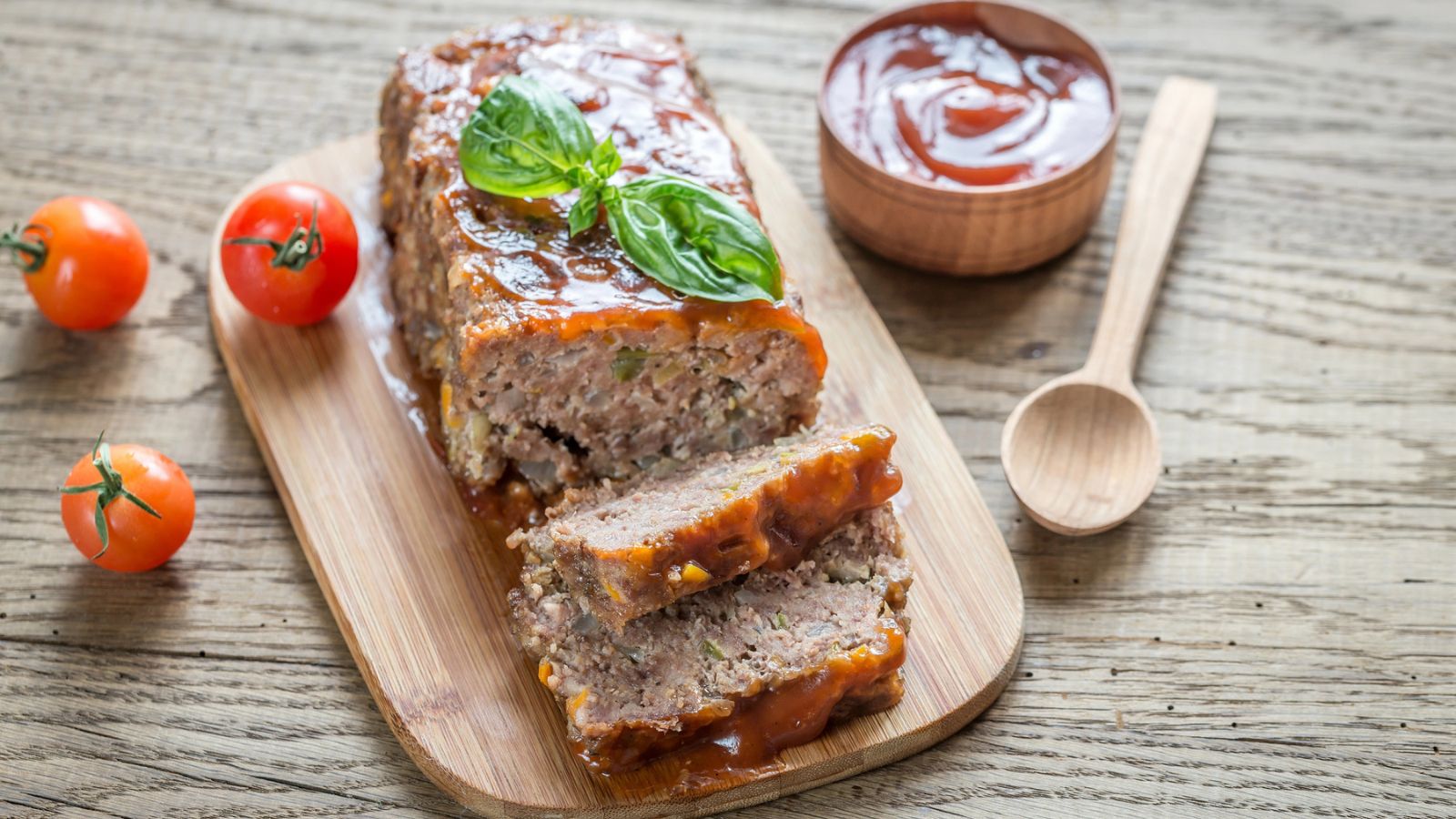
The dish was familiar to children who ate meatloaf at home. But cafeteria recipes sometimes differed considerably from what families prepared in their own kitchens.
Mashed potatoes were a common accompaniment because they were easy to prepare and portion. Green beans, peas, or carrots could complete the meal.
For many former students, the combination represents a particular era of school food. It also reflects the influence of traditional American family dinners on cafeteria menus.
7. Fruit Cocktail
Canned fruit cocktail was a practical way to serve fruit throughout the school year. It usually contained a mixture of fruits such as peaches, pears, pineapple, and cherries.
The small fruit pieces were easy to portion into individual servings. The occasional cherry could become a surprisingly desirable part of lunch.
Fruit cocktail was also familiar in home kitchens because canned fruit could be stored without refrigeration before opening. Its convenience made it useful for school food service.
Modern school menus may offer fresh fruit alongside canned and frozen choices. Nutritional requirements and available products have changed, but fruit remains an important part of school meals.
8. Chocolate Milk
For many children, chocolate milk was one of the most anticipated parts of school lunch. It offered a sweeter alternative to plain milk and was commonly served in small cartons.
Students often had strong preferences about which flavor they wanted. Some schools offered limited choices, while others had multiple milk options.
School milk programs have changed over time as nutrition policies evolved. The USDA’s school meal guidance explains current federal nutrition standards for participating schools.
Flavored milk remains available in many schools, subject to applicable rules. But the memories of tiny cartons and cafeteria lunch lines belong to generations of former students.
Why School Lunch Memories Last
School meals were never identical across America. Local budgets, regional tastes, federal programs, and changing nutritional standards influenced what appeared on cafeteria trays.
The National School Lunch Program has existed since 1946, and its requirements have evolved considerably. The USDA provides information about the program and its purpose.
What makes these foods memorable is often the experience surrounding them. Students ate with friends, discussed their classes, and sometimes traded whatever they didn’t want.
The food itself may have been ordinary. But decades later, a rectangle pizza or carton of chocolate milk can bring back memories of an entire school day.