8 Things Grandma Knew About Cooking That Many People Have to Learn Again
Some people can prepare an entire dinner without looking at a recipe. They know when a pan is too hot, how to stretch leftovers into another meal, and when a sauce needs just one more ingredient.
For many families, that person was Grandma. Years of cooking taught her practical lessons that weren’t necessarily written down.
Modern kitchens have convenient appliances and endless recipes available online, but those tools don’t replace every skill. These eight lessons are useful for anyone who wants to become a more confident home cook.
1. How to Tell When the Pan Is Ready
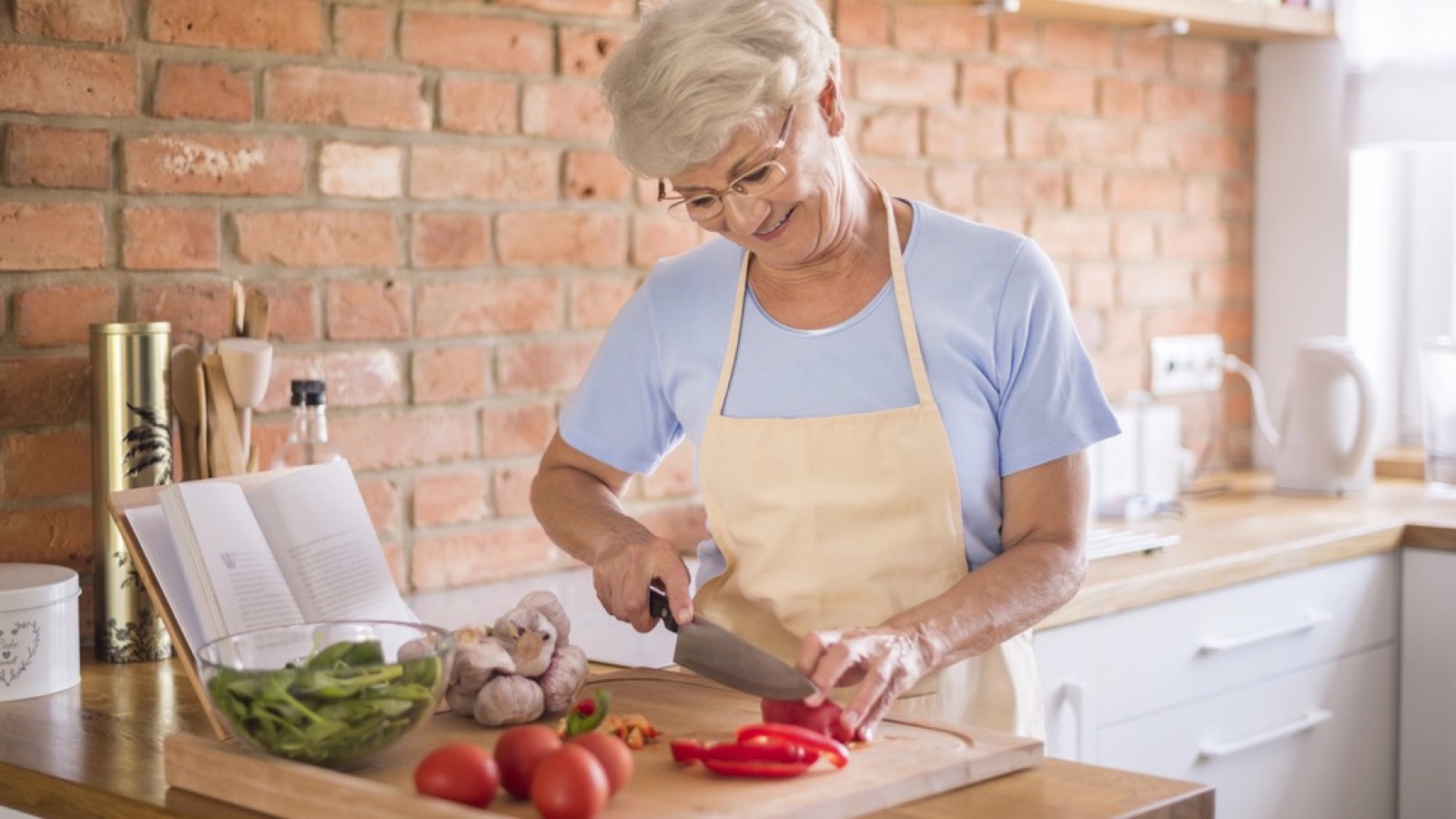
Grandma didn’t always need a digital thermometer to judge the temperature of a skillet. She watched how the fat moved, listened for sizzling, and knew when food needed more or less heat.
A properly heated pan can help ingredients brown rather than simply steam. But excessive heat can burn seasonings or leave food cooked unevenly.
The ideal temperature depends on the recipe and cookware. Learning to recognize these differences makes cooking easier than using the highest setting for everything.
Cooking thermometers remain essential for verifying safe internal temperatures. Experience can guide technique, but appearance alone cannot reliably establish that meat or poultry is safe to eat.
2. Why Some Foods Need Time
A tough piece of beef may require a long, gentle cooking process. Beans need enough time to soften, while certain stews develop a more balanced flavor after simmering.
Grandma understood that increasing the heat wasn’t always the solution. Some ingredients respond best to patience rather than speed.
Slow cookers and pressure cookers have made these preparations more convenient. But understanding what happens during cooking remains important, regardless of the appliance.
For example, a slow-cooked pot roast becomes tender partly because connective tissue changes during moist cooking. Turning up the heat too aggressively may produce a different result.
3. How to Make a Meal From Leftovers
An ordinary bowl of leftover chicken and vegetables might become soup, a casserole, or a sandwich filling. Grandma often saw possibilities where someone else saw a collection of unrelated ingredients.

This helped reduce waste and made grocery purchases last longer. A small amount of meat could add flavor to a meal built around potatoes, rice, or beans.
Some traditional kitchen habits are gaining renewed attention, including cooking from scratch and preserving food. These practices can be useful when applied with current food safety knowledge.
Leftovers should be refrigerated promptly and used within safe storage periods. Saving money isn’t worthwhile if food becomes unsafe to eat.
4. When to Use Fresh or Dried Herbs
Fresh and dried herbs aren’t always interchangeable in equal quantities. Drying changes their concentration and aroma, which can affect the finished dish.
Grandma might add dried herbs early in a soup or stew to allow their flavors to develop. Fresh herbs were often added toward the end to preserve their aroma.
The approach depends on the herb and preparation method. Delicate herbs such as parsley behave differently from stronger ones such as rosemary.
Learning these distinctions makes it easier to adjust recipes. It also helps prevent wasted ingredients and overpowering flavors.
5. Why a Good Gravy Starts in the Pan
After roasting meat or cooking certain ingredients, browned particles may remain at the bottom of the pan. Those bits can contribute flavor when used appropriately.
Grandma might add liquid to loosen them before creating gravy. Flour or another thickening ingredient could then produce the desired consistency.
The method allows cooks to make use of flavor already developed during cooking. It also reduces the need for prepared gravy mixes.
Burned residue should not be treated the same as properly browned ingredients. Knowing the difference helps avoid unpleasant flavors.
6. How to Stretch Expensive Ingredients
Meat often represented a significant portion of a family’s food spending. Rather than serving large individual portions, older home cooks frequently combined smaller quantities with vegetables, beans, potatoes, or grains.
A modest amount of beef could become a stew that served several people. Leftover ham might flavor a pot of beans without becoming the main ingredient.
The same approach works today because it encourages variety and reduces reliance on costly components. It also allows cooks to adjust recipes according to current grocery prices.
Families don’t have to eliminate favorite ingredients to spend less. They can simply use them in ways that produce more meals.
7. Why Pantry Organization Matters
An organized pantry makes it easier to see which ingredients are available. Grandma often knew where everything belonged because she used the same staples regularly.

Keeping older products visible helps reduce the chance of forgetting them. Grouping similar items can also prevent unnecessary duplicate purchases.
The method doesn’t require expensive containers or decorative labels. A clean cupboard, readable packages, and a simple system can be enough.
Storage instructions still matter. Some ingredients require cool, dry conditions, while others should be refrigerated after opening.
8. Why Family Recipes Need to Be Recorded
One of the most valuable things Grandma knew might have been a recipe nobody else could reproduce. She could prepare the dish instinctively, adjusting ingredients without measuring.
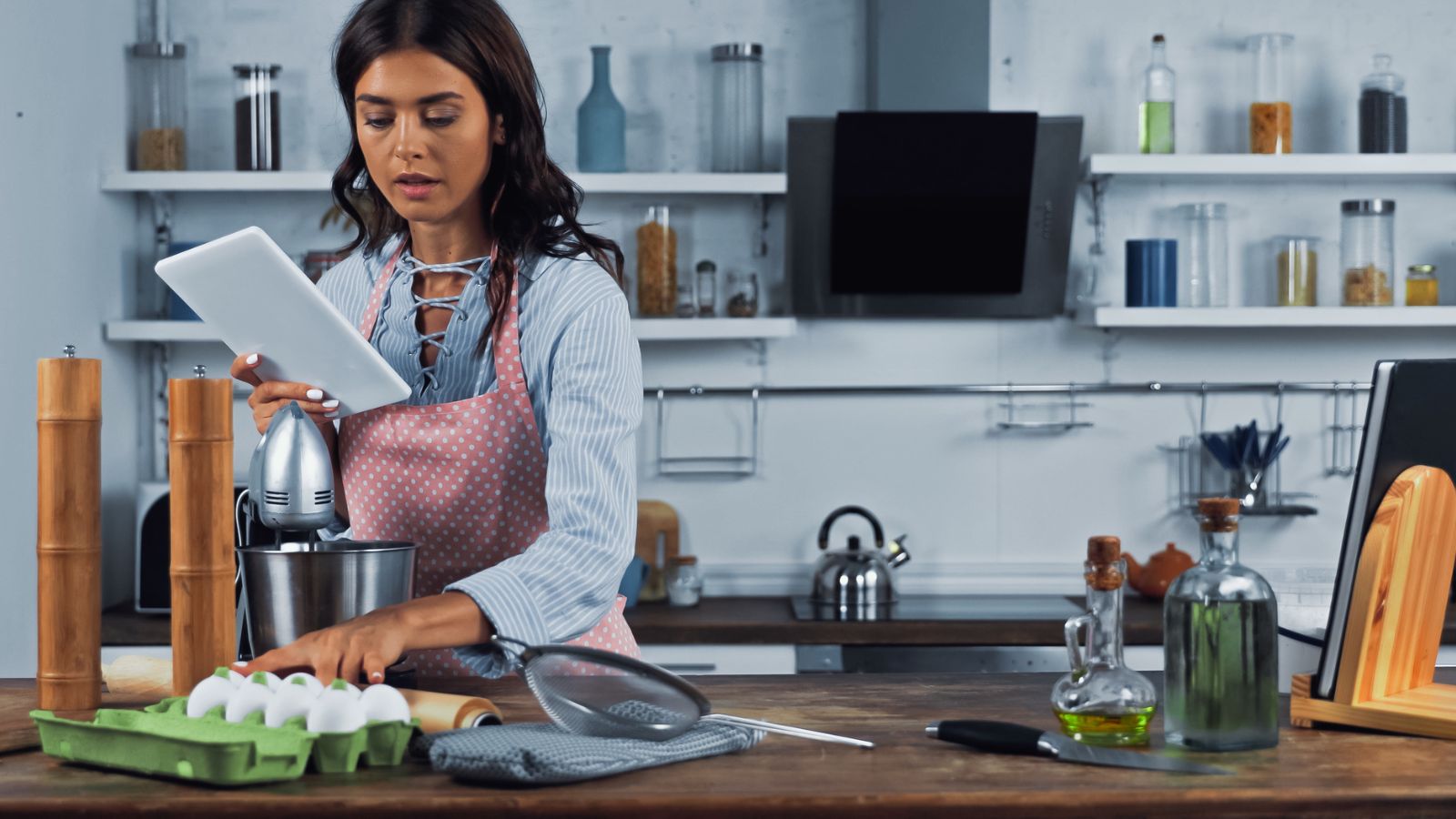
That approach works until someone wants to make the same meal without her guidance. Family members may remember the flavor but not understand the technique.
Recording recipes preserves more than ingredient lists. Notes about preparation, serving traditions, and substitutions can make the instructions easier for another generation to follow.
Photographs or videos can also help document important steps. Some cooking techniques are easier to understand when demonstrated rather than described.
What Modern Cooks Can Learn
Traditional cooking skills remain valuable because they encourage flexibility. A cook who understands ingredients and techniques can solve problems without constantly searching for another recipe.
But older methods shouldn’t be accepted automatically. Modern food safety research has improved guidance on storage, preservation, and cooking temperatures.
The USDA’s food safety resources provide current recommendations for handling food safely. Those guidelines can complement practical knowledge passed between generations.
Grandma’s greatest cooking lesson may have been learning through experience. Every meal offered another opportunity to understand how ingredients behaved.
That kind of confidence doesn’t come from buying another kitchen gadget. It comes from practicing useful techniques, paying attention, and remembering what works.