5 Chicken Tender Chains and What They Actually Disclose About Their Ingredients
Chicken tenders may look similar across fast food menus, but what goes into them can be surprisingly different. Some restaurants identify the exact cut of chicken they use, while others emphasize their breading, marinades, or cooking methods without revealing every ingredient. That distinction matters when you’re trying to figure out what you’re actually ordering. Words like “premium,” “fresh,” and “hand breaded” sound appealing, but they don’t necessarily tell you everything about the chicken underneath that crispy coating.
Several popular restaurant chains provide useful details about their chicken tenders, from the type of meat to how each piece is prepared. However, the amount of information available varies considerably.
Chick-fil-A
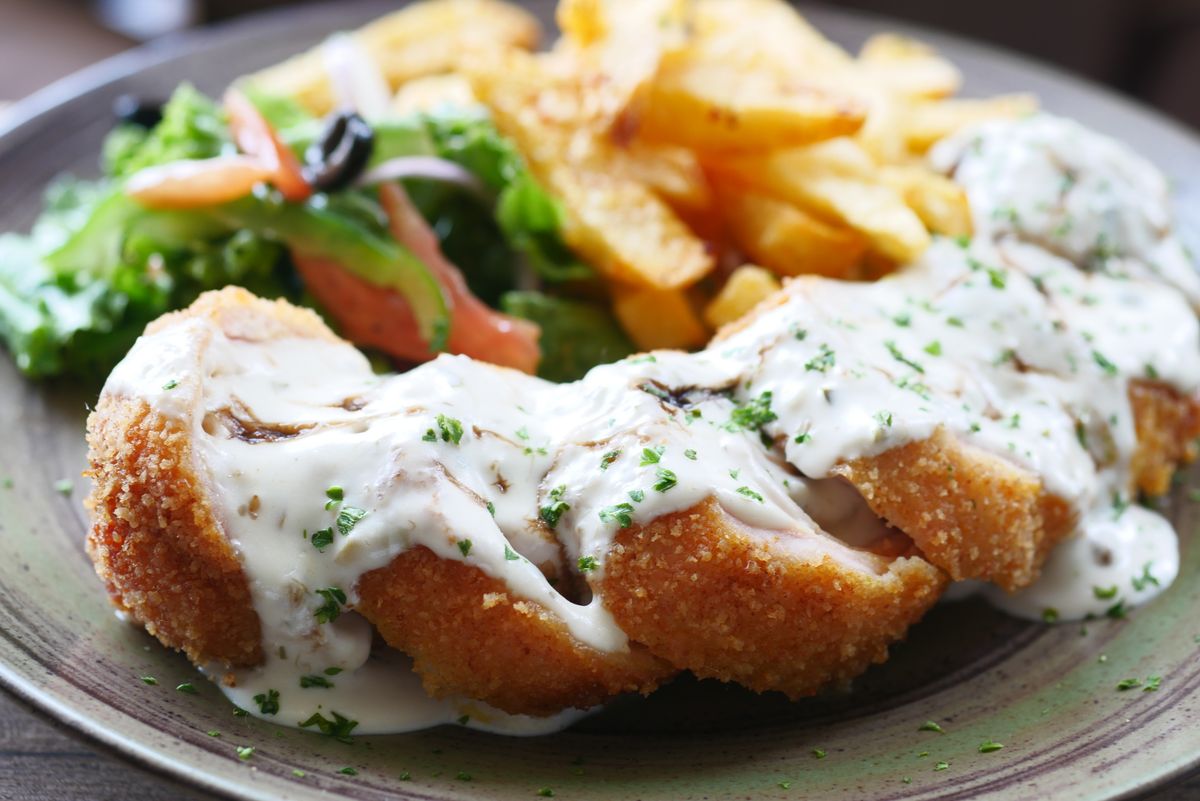
Chick-fil-A provides one of the more detailed ingredient descriptions for its chicken strips. Rather than relying entirely on broad descriptions of quality, the restaurant identifies the specific cut used in its Chick-n-Strips. According to its official product information, the strips are made with boneless, skinless chicken breast tenderloins. They’re freshly breaded and cooked in fully refined peanut oil. The ingredient information goes further, listing components such as enriched flour, garlic powder, onion powder, spices, milk, and egg. Other ingredients include modified food starch, maltodextrin, and monosodium glutamate. That level of detail gives customers a clearer understanding of what goes into the finished product. It also demonstrates why describing chicken tenders as simply chicken, flour, and seasoning can leave out important information.
Chick-fil-A also maintains a sourcing policy called No Antibiotics Important to Human Medicine, or NAIHM. The company introduced this policy in 2024, replacing its previous No Antibiotics Ever standard. The distinction is worth understanding because the newer policy allows certain antibiotic uses outside the restricted category. For customers interested in ingredient transparency, Chick-fil-A stands out for its product specific disclosure. However, its freshly breaded description does not establish whether the raw chicken was previously frozen.
Related Post: Chickens Can Count and Plan — 7 Surprising Things Researchers Learned About Chickens
Huey Magoo’s
Huey Magoo’s has built much of its identity around chicken tenders, and its menu descriptions offer some particularly useful information about the meat. The chain specifically identifies tenderloin as the cut used in its Hand Breaded Tenders. That’s a more precise description than simply calling the product white-meat chicken. According to the restaurant’s official website, its hand-breaded version uses ingredients such as eggs, flour, and milk, along with a proprietary seasoning blend. The company also offers grilled tenders made from tenderloin. Those receive a different preparation, including a 24 hour marination period in a seasoning blend.
It’s important not to confuse the two preparations. The disclosed 24 hour marination applies to the grilled version and shouldn’t automatically be attributed to the hand-breaded tenders. One interesting detail is the company’s promotional language describing its tenderloin selection. While the restaurant emphasizes the cut’s quality, its marketing claims don’t establish an independently verified poultry grading standard. Huey Magoo’s provides useful information about the chicken cut and several coating ingredients. However, a complete formulation for its seasoning, breading, and marinade was not established in the available disclosures. For customers who prefer knowing which part of the chicken they’re ordering, the tenderloin description is a meaningful detail.
Slim Chickens
Slim Chickens takes a slightly different approach by emphasizing both the cut of chicken and the preparation process. According to its official franchise website, the restaurant uses chicken tenderloins marinated in buttermilk before being hand-breaded and cooked to order. Those details tell customers something about the process behind the finished tenders. Buttermilk is a specifically identified marinade ingredient, while hand-breading describes how the coating is applied. Cooking to order explains when the restaurant prepares the chicken for serving.
Together, these details give customers a more complete picture than an advertisement that simply promises delicious, high-quality chicken. The restaurant also uses terms such as “all-natural” and “premium” in describing its products. However, those descriptions should be understood as company marketing rather than evidence of an independent quality certification. There are still unanswered questions about the complete recipe. The available information does not establish every seasoning ingredient, the full finished product formula, or whether the chicken has ever been frozen. Nevertheless, Slim Chickens offers several specific preparation details that customers can evaluate for themselves.
Raising Cane’s
Raising Cane’s keeps its menu focused heavily on chicken fingers, making the preparation process an important part of the restaurant’s identity. The company provides several concrete details about how its signature chicken is made. According to Raising Cane’s, its chicken undergoes 24 hours of marination before being hand battered and cooked to order. The restaurant also states that it doesn’t use heat lamps or microwaves in its preparation process. These claims describe how the chicken is handled and prepared inside the restaurant. They don’t, however, explain the complete ingredient formula. Independent reporting from Tasting Table identifies tenderloin as the chicken cut associated with the chain. The official preparation descriptions reviewed did not independently specify that anatomical cut.
Another important distinction involves the marinade. Although the restaurant confirms a 24-hour process, the complete ingredient list for that marinade wasn’t established. That means customers shouldn’t assume it contains buttermilk or any other particular ingredient without confirmation. Raising Cane’s is a good example of how a restaurant can disclose substantial preparation information while providing fewer details about the ingredients themselves. Its strongest documented selling point is the clearly described process, rather than a fully disclosed recipe.
Culver’s
Culver’s is widely associated with ButterBurgers and frozen custard, but its menu also includes Original Chicken Tenders. The restaurant’s official product description identifies the tenders as being made with whole white-meat chicken. That wording is significant because it describes the meat itself rather than relying solely on the flavor or appearance of the finished product. Culver’s also describes its tenders as cooked to order, providing another useful preparation detail. However, there’s an important limitation when examining the restaurant’s ingredient information.
An official ingredient document available online contains additional details about chicken components, coating, and preparation. Unfortunately, that document is dated April 2018. An older document can’t establish that every ingredient or preparation detail remains unchanged in October 2026. For that reason, it’s more accurate to rely on the restaurant’s current whole-white-meat and cooked-to-order descriptions rather than presenting the older formulation as today’s recipe. Culver’s illustrates why ingredient transparency involves more than finding a document online. The date of the information matters just as much as the details it contains.
What Should Customers Look for When Choosing Chicken Tenders?
Chicken tenders aren’t necessarily made the same way simply because they share a menu name. One restaurant might identify breast tenderloins, another might describe whole white meat, and a third might focus mainly on marination and breading. Those differences can make ingredient disclosures worth reading before ordering. It’s also useful to distinguish preparation claims from sourcing information. Hand-breaded doesn’t automatically mean never frozen, while cooked to order doesn’t explain every ingredient in a marinade or coating.
None of these five chains can be declared the best based on the available ingredient descriptions alone. Doing so would require consistent evidence and comparable standards across all of them. Still, each provides information that helps customers understand at least part of what goes into its chicken tenders. The next time chicken tenders sound tempting, look beyond the crispy coating and the advertising slogans. Sometimes, the most useful detail isn’t how a restaurant describes its chicken, but how much it’s willing to tell you about what’s actually in it.