Don’t Bring These 8 Things To A Potluck Unless You Want Side-Eye From Everyone
There’s something wonderful about a good old-fashioned potluck. The table overflows with homemade favorites, someone brings their famous macaroni and cheese, and one dessert disappears before anyone gets a slice.
But not every dish deserves a place at the gathering.
Sometimes, what seems like a brilliant contribution at home turns into a small disaster once it reaches the buffet table. Certain foods are difficult to serve, others create unnecessary work for the host, and a few don’t hold up well after sitting around.
And then there are those dishes that leave everyone exchanging polite smiles while quietly wondering who thought bringing them was a good idea.
Whether you’re attending a neighborhood cookout, family reunion, church gathering, or office lunch, what you bring matters more than you might think.
The goal isn’t to impress everyone with an expensive recipe. It’s to contribute something enjoyable, practical, and considerate of the people sharing the meal.
Before your next gathering, here are eight things you might want to leave off the potluck menu.
A Giant Bowl of Mayonnaise-Based Salad With No Way to Keep It Cold
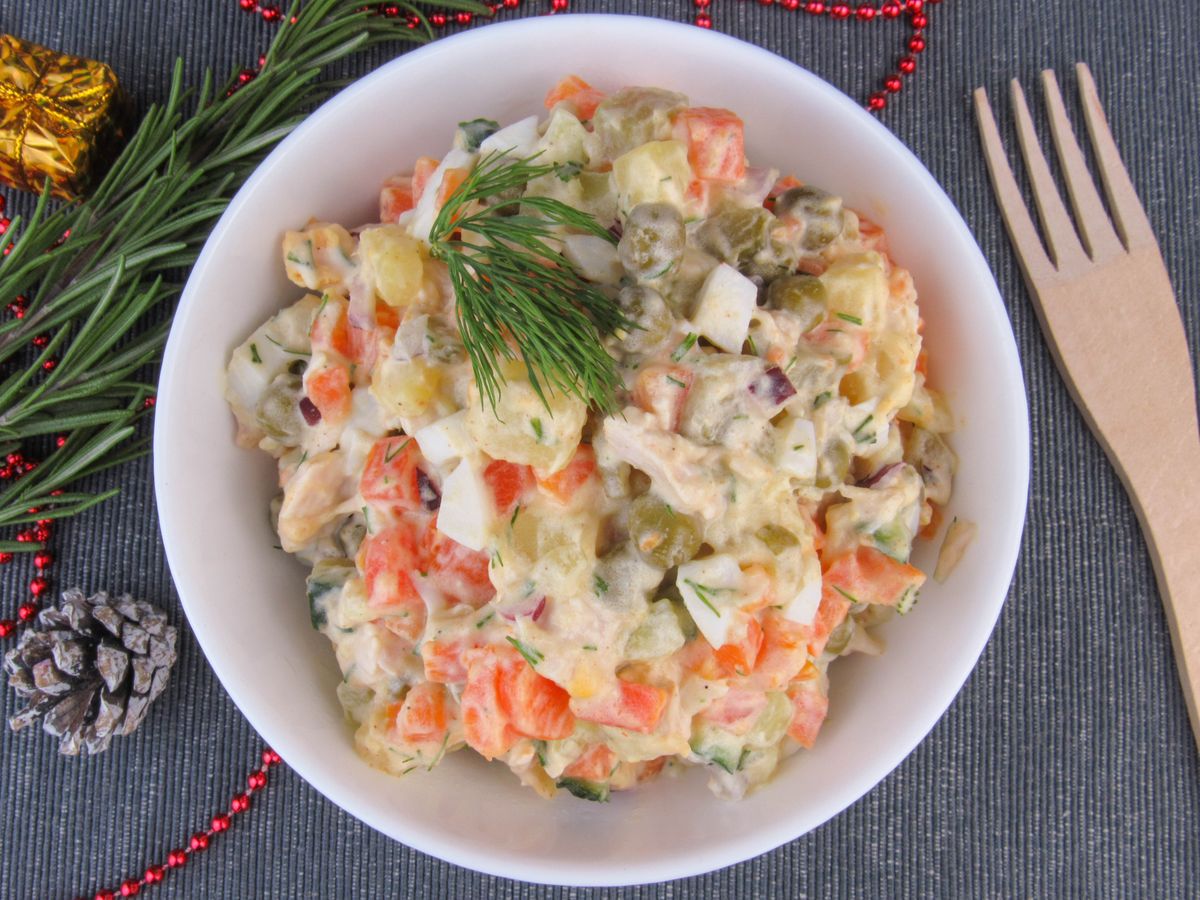
Potato salad, macaroni salad, and creamy coleslaw are practically potluck royalty. They’re familiar, affordable, and usually disappear quickly when prepared well.
The problem begins when someone arrives with an enormous bowl and leaves it sitting on a warm table for hours.
Nobody wants to spend the afternoon wondering how long the potato salad has been outside the refrigerator.
And it’s not just mayonnaise-based dishes that require attention. Foods containing cooked potatoes, pasta, eggs, or meat also need proper temperature control.
Bring instead: A smaller chilled salad that can sit over ice, with extra portions kept in a cooler until needed. Everyone gets to enjoy your recipe without unnecessary guesswork.
Something That Requires the Host to Finish Cooking
You’ve probably encountered this guest. They arrive smiling, carrying a beautiful casserole dish, and casually announce, “It just needs another 45 minutes in the oven.”
Suddenly, the host is rearranging oven racks, adjusting dinner schedules, and wondering where the extra baking trays go.
A potluck should make entertaining easier, not turn someone’s kitchen into a restaurant preparing last-minute orders.
Unless you’ve arranged it beforehand, bringing unfinished food puts an unexpected burden on the host.
This becomes especially frustrating when several guests show up needing the same oven or stovetop.
Bring instead: A dish that’s fully prepared and ready to serve. If it genuinely needs reheating, ask the host ahead of time whether kitchen space will be available.
A little coordination prevents everyone from competing for the oven while dinner gets cold.
Extremely Spicy Food Without a Warning
There’s nothing wrong with loving spicy food. A fiery chili, pepper-packed salsa, or heavily seasoned chicken dish can be the highlight of a gathering.
But remember that not everyone enjoys the same level of heat.
What tastes pleasantly spicy to you might have someone else reaching desperately for another glass of water.
The problem isn’t bringing bold flavors. It’s serving a dish with unexpected heat and giving guests no indication of what they’re about to eat.
Potlucks bring together people with different preferences, so clear descriptions help.
Bring instead: Make your main dish moderately seasoned and provide extra hot sauce, chili flakes, or spicy toppings on the side.
If you’re bringing something genuinely hot, label it clearly.
That way, adventurous eaters can enjoy the excitement while everyone else chooses something more comfortable.
Great cooking doesn’t require every guest to prove how much spice they can tolerate.
A Complicated Dish Nobody Knows How to Serve
Some foods look absolutely stunning in photographs but become a puzzle when placed on a crowded buffet table.
Think towering layered creations that collapse when sliced, elaborate appetizers requiring multiple assembly steps, or desserts that need special equipment to get onto a plate.
These dishes can be delicious, but they’re not always practical for casual gatherings.
Guests shouldn’t need a detailed instruction manual to enjoy your contribution.
And the host shouldn’t have to spend the entire party explaining how your creation works.
A successful potluck dish should be easy to portion, serve, and enjoy while people stand around chatting.
Bring instead: Choose something guests can scoop, slice, or pick up without difficulty.
If your dish requires special serving utensils, bring those along.
And when preparing layered desserts, consider individual cups instead of one complicated centerpiece.
Sometimes, simplicity is the secret ingredient that makes food memorable.
A Dish Full of Surprise Ingredients
Food surprises can be delightful. Discovering an unexpected layer of caramel in a dessert? Wonderful.
Finding out that the innocent-looking casserole contains peanuts, shellfish, or another unexpected ingredient? That’s a different story.
Potlucks often bring together people who have food allergies, dietary restrictions, religious preferences, or ingredients they avoid.
Guests shouldn’t have to guess what’s inside an unfamiliar dish.
That makes it easier for guests to make informed decisions, although labels alone cannot guarantee that cross-contact hasn’t occurred.
Instead, add a small card with the dish’s name and main ingredients, and clearly identify common allergens.
If someone has told the host about a serious allergy, coordinate beforehand rather than assuming an ingredient label is sufficient.
Thoughtful communication can make everyone feel welcome.
A Dessert That Melts Before Anyone Gets a Bite
Ice cream cakes, frozen cheesecakes, and delicate chocolate-covered treats can be irresistible.
Unfortunately, they can also become a messy disappointment when there’s no suitable place to store them.
Outdoor summer potlucks can be especially challenging.
That gorgeous frozen dessert could lose its shape before guests finish their main courses. Even indoors, limited refrigerator or freezer space can create problems.
And nobody wants the host frantically moving frozen vegetables around to make room for an enormous cake.
The issue isn’t that these desserts are bad choices in general. They require the right storage conditions.
Bring instead: Brownies, cookies, shelf-stable cakes without perishable fillings, or another dessert suited to the venue.
If you really want to bring something frozen, confirm freezer availability before the gathering.
A dessert that survives the trip and serving period is much more likely to receive the appreciation it deserves.
A Tiny Portion That Can’t Feed More Than Three People
It’s difficult not to smile when someone proudly arrives at a gathering of thirty guests carrying four homemade cookies.
Perhaps they’re extraordinary cookies. Maybe the recipe has been passed down through generations.
But the uncomfortable question remains: how is everyone supposed to share them?
Potlucks work because participants contribute enough food to create a generous communal spread.
That doesn’t mean every guest must prepare enough for the entire crowd. Usually, the expectation is that everyone brings something others can sample.
Still, arriving with a dish that offers only a few bites can feel awkward when everyone else has contributed substantial portions.
Bring instead: Ask the organizer about the expected number of guests and portion requirements.
If your budget is limited, simple options such as pasta salad, bread, rice dishes, or a large batch of cookies can be practical contributions.
Generosity doesn’t have to be expensive. It simply requires planning.
Anything You Haven’t Properly Prepared or Transported
A particular kind of potluck disaster begins with good intentions and ends with someone saying, “It should probably still be fine.”
Maybe the chicken sat in a warm car while errands were completed. Perhaps the casserole cooled on the counter for hours before being packed. Or maybe a homemade dish arrived in a container that leaked all over the serving table.
Whatever the situation, poor preparation can create problems beyond awkward presentation.
The Food and Drug Administration recommends keeping hot foods at 140°F or warmer and cold perishable foods at 40°F or colder during buffet service.
The agency also advises replacing nearly empty serving dishes with fresh ones rather than adding new food to food that’s already been sitting out.
Bring instead: Choose dishes you can prepare, transport, and serve properly.
Use insulated containers for hot foods, coolers with ice packs for cold dishes, and secure lids to prevent spills.
If maintaining the appropriate temperature isn’t practical, select something that doesn’t require refrigeration.
The best potluck contribution should make the gathering easier, not introduce unnecessary risks.
The Best Potluck Dish Is One Everyone Can Enjoy
A successful potluck isn’t about bringing the fanciest recipe, spending the most money, or proving that you’re the best cook in the neighborhood.
It’s about sharing food and making people feel welcome.
The most appreciated dishes are often the simplest: something delicious, easy to serve, appropriately portioned, and thoughtfully prepared.
A good macaroni and cheese, a tray of freshly baked cookies, or a simple pasta salad can become the highlight of the evening when it suits the occasion.
Before your next gathering, consider three things: Will the dish travel well? Can guests serve themselves easily? And have you made things easier for the host?
If the answer is yes, you’re probably on the right track.
Because at the end of the day, nobody remembers a wonderful potluck because the food was unnecessarily complicated.
They remember the laughter, the conversations, and that one dish everyone kept going back for.
And if you’re lucky, someone might even ask you to bring it again next time.