10 Google Searches That Can Ruin Your Peace
Google feels harmless until one small search sends you somewhere your brain was never ready to visit. We type in a word out of curiosity, boredom, fear, or pure nosiness, then suddenly we are staring at images, stories, theories, or “medical explanations” that leave us wishing we had left the search bar alone.
The internet is useful, but it is not gentle. Some searches do not educate us as much as they disturb us, mislead us, or push us into unnecessary panic.
Here are 10 things we should think twice about searching on Google.
Graphic Medical Symptoms

Searching for medical symptoms can turn a normal worry into a full-blown anxiety spiral. A headache becomes a brain emergency. A rash becomes a rare disease. A tiny bump suddenly looks like something that belongs in a hospital documentary. Google does not know our age, history, lifestyle, medications, or what actually caused the symptom, so it often surfaces the scariest possibilities first.
The real danger is not just bad information. It is the way fear changes how we read. Once we are anxious, every sentence feels personal, and every image feels like proof. If a symptom feels serious, painful, unusual, or persistent, a doctor is a better answer than a midnight search session that ends with panic and no real diagnosis.
Disturbing Shock Videos
Some viral videos became famous for one reason only. They were disgusting enough to make people dare others to watch them. That kind of content is not educational, useful, or entertaining in any healthy way. It is usually built to shock, repel, or haunt the viewer long after the screen is closed.
The problem with shock content is that curiosity often outweighs common sense. People search to understand why everyone is reacting, but the payoff is rarely worth it. Once a disturbing video is in your head, you cannot neatly delete it. Some things are better left as internet legends you never personally investigate.
Crime Scene Photos
True crime has made many people feel like investigators, but searching for real crime-scene images crosses into darker territory. These searches often surface graphic photos, fake images, recycled content, and websites that treat human tragedy as entertainment. Victims become thumbnails, and terrible moments become something strangers consume.
There is also an emotional cost. We may think we can handle seeing something disturbing, but graphic tragedy can stick in the mind in ways we do not expect. Reading a credible report is one thing. Hunting for the most graphic evidence is another. Respect and peace of mind are both good reasons to skip this search.
Your Symptoms Plus the Word Cancer

This might be one of the fastest ways to terrify yourself online. Searching for a symptom alone can already be stressful, but adding the word “cancer” invites the internet to hand you its most frightening answers. A cough, stomach pain, mole, or swollen gland can suddenly feel like a life-changing emergency.
The issue is not that people should ignore their health. The issue is that Google does not rank results based on your personal reality. It shows possibilities, not probabilities. That difference matters. If something worries you, search for when to seek medical care or book an appointment. Do not let one anxious search turn into a courtroom where every harmless symptom is accused of being deadly.
Illegal Download Links
Searching for free movies, cracked software, unpaid games, or pirated tools might seem like a shortcut, but it can become a digital trap. Many of those pages are built to look tempting, with shiny download buttons, fake countdowns, and urgent pop-ups. Behind the curtain, they may carry malware, spyware, phishing links, or hidden subscription scams.
The “free” file can end up costing more than the real product. One careless click can expose passwords, banking information, photos, work files, or private accounts. If a site promises something expensive for nothing, that is not generosity. That is bait. Official platforms may feel boring, but boring is better than getting hacked.
Deep Web Curiosity Searches
The dark web has become one of those internet topics that attracts nervous curiosity. People hear stories about hidden markets, secret forums, stolen data, and illegal activity, then wonder what is actually there. The problem is that searching for access points can lead users toward scams, malware, disturbing content, and spaces they do not understand.
Digital curiosity is not the same as digital safety. Learning about cybersecurity from trusted sources is fine. Trying to wander into hidden corners of the internet for a thrill is not smart. The dark web is not a movie scene where nothing follows you home. Sometimes the risk is legal. Sometimes it is financial. Sometimes it is psychological. None of those are worth a casual search.
Extreme Body Conditions
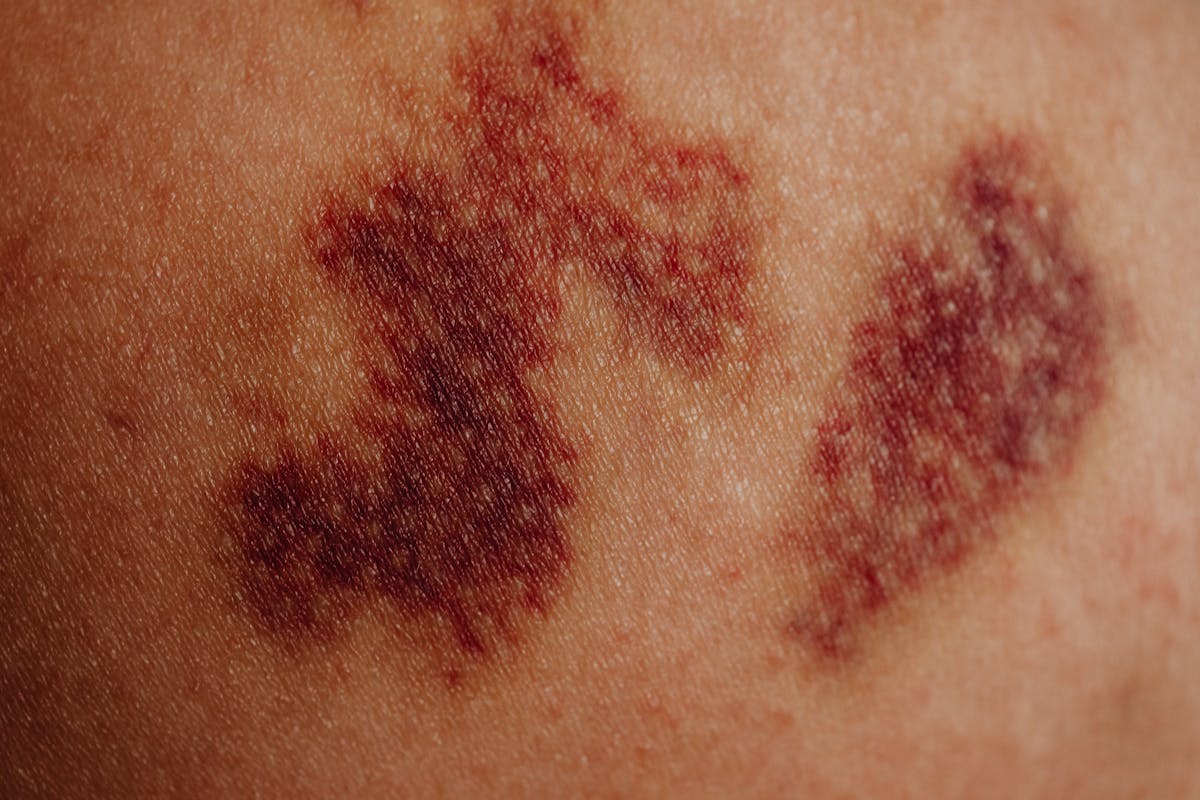
Some medical image searches are enough to ruin your appetite for the rest of the day. Searches involving parasites, infections, wounds, rare skin disorders, or extreme dental conditions can produce graphic photos without warning. Even worse, many images show severe cases that do not represent the average situation.
That matters because a scary image can distort reality. A person with a minor issue may convince themselves they are facing the worst possible outcome. These searches rarely calm anyone down. They usually feed disgust, fear, and overthinking. If there is a real health concern, a trained professional can explain what is happening without turning the experience into a horror gallery.
Your Own Personal Details
Searching your own name can be useful, but it can also be unsettling. You may find old profiles, phone numbers, family connections, addresses, usernames, photos, or data broker pages that collected information without making it obvious. The danger grows when people start clicking every result and entering even more personal details to “remove” what they found.
Privacy cleanup should be careful, not panicked. Some websites that claim to remove your information may end up collecting more of it. Others make the process confusing on purpose. If you search your name, do it calmly. Check what is public, tighten your privacy settings, remove old accounts where possible, and avoid giving random sites more information than they already have.
Miracle Cures
The internet is full of products that promise impossible results. They claim to melt fat, cure diseases, reverse aging, detox the body, fix pain overnight, or solve problems doctors supposedly cannot. These searches become risky because they often target people who are worried, tired, embarrassed, or desperate.
A real health solution usually comes with limits, instructions, testing, and honest warnings. Scam cures come with emotional language, fake testimonials, countdown timers, and claims that “they” do not want you to know the truth. That kind of wording is not a secret doorway to healing. It is a sales tactic. Health decisions deserve better than a flashy page built on fear.
Conspiracy Rabbit Holes

Searching for conspiracy theories can feel exciting at first because they promise hidden knowledge. They make ordinary people feel like they are seeing behind the curtain. The problem is that these searches often lead to videos, forums, and posts designed to keep people suspicious, angry, and emotionally hooked.
A good question asks for evidence. A conspiracy rabbit hole asks for loyalty. Once someone enters that loop, every correction looks like a cover-up, and every rumor feels like proof. We should always question what we read online, but healthy skepticism needs facts, not endless suspicion. Some searches do not make us more informed. They just make the world feel darker than it is.