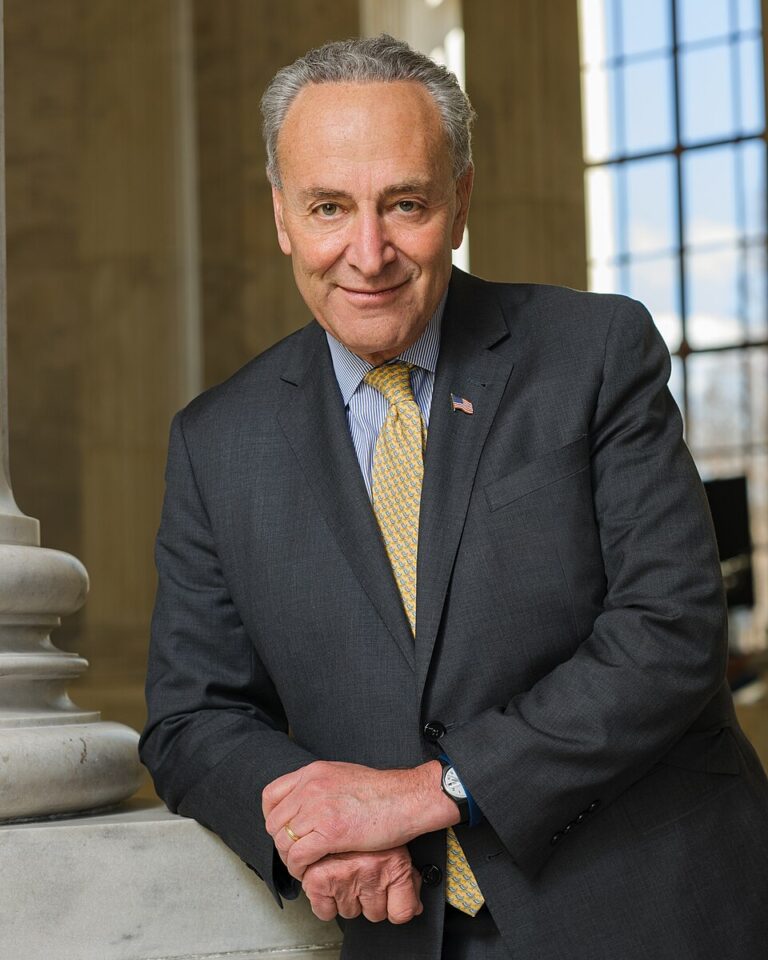
Seattle Police Chief Shon Barnes Resigns After Festival Shooting Crisis as Five-Hour Silence Fuels Leadership Debate
The gunfire at Seattle’s Bite of Seattle festival lasted only moments, but the questions that followed created a political storm that reshaped the city’s police leadership. Seattle Police Chief Shon Barnes resigned after a deadly festival shooting exposed a communication failure that left residents waiting hours for answers.
Seattle Police Chief Shon Barnes resignation has become about more than one officer’s departure. It has become a wider debate about emergency communication, police accountability, public trust, and whether changing leadership can fix deeper problems inside a city’s public safety system.
The shooting itself produced two very different stories. Officers responded quickly, confronted the danger, helped victims, and detained a teenage suspect. Yet city officials struggled to communicate what happened, leaving residents uncertain about whether an ongoing threat remained.
That contrast transformed a tragic act of violence into a leadership crisis. Seattle Police Chief Shon Barnes’s resignation now raises a difficult question facing the city: Was one person responsible for a system failure, or did Seattle reveal weaknesses that extend far beyond the police chief’s office?
The Shooting That Changed the Conversation About Seattle Police Leadership
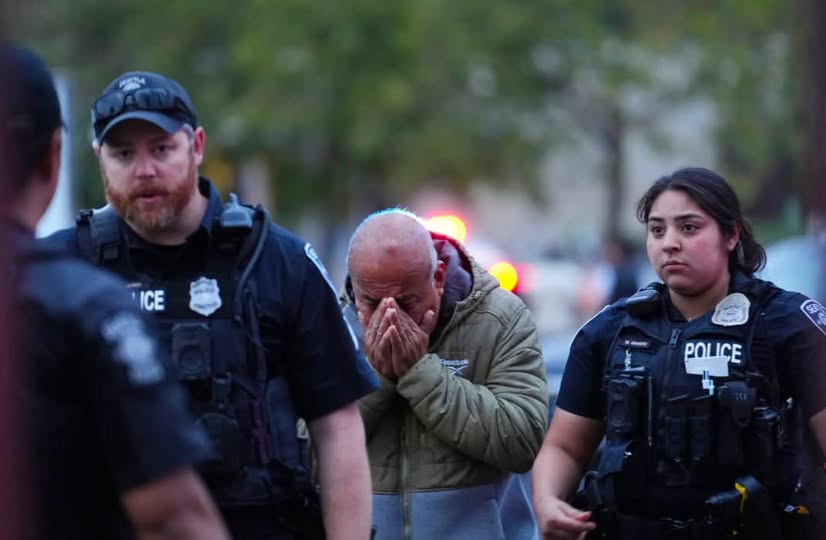
The Bite of Seattle festival was supposed to be a celebration of food, music, and community. Instead, the crowded event became the scene of a deadly shooting that killed three people and injured four others, including a young child. The violence immediately placed Seattle’s emergency response system under intense scrutiny.
Police officers assigned to the festival moved toward the danger quickly after shots were fired. Investigators said a 15-year-old suspect was confronted and persuaded to surrender after an officer observed him firing into the crowd. The immediate response prevented further harm, according to officials familiar with the investigation.
However, the public reaction focused less on the first moments of the shooting and more on what happened afterward. Residents wanted basic information about the threat, the suspects, and the safety of the area. Instead, the city struggled to provide timely updates during a moment when clear communication mattered most.
Seattle Police Chief Shon Barnes’ resignation followed days of criticism over that communication gap. While Barnes was not accused of failing to respond physically to the shooting, critics argued that leadership includes ensuring the department communicates effectively during emergencies.
The situation highlighted a growing challenge for police departments across the country. Modern public safety depends not only on preventing crime but also on managing information during fast-moving crises. A delayed message can create fear, confusion, and distrust even when officers perform well on the ground.
Seattle’s experience also reflects a broader national trend. Communities increasingly judge emergency responses by two standards: how quickly officials act and how transparently they explain those actions afterward. The festival shooting showed that both elements influence public confidence.
Five Hours of Silence Created a Crisis Beyond the Crime Scene
The most damaging moment in Seattle’s response came after the shooting ended. Nearly five hours passed before officials provided a detailed public briefing, creating an information vacuum during a highly sensitive investigation.
The city initially acknowledged the shooting through social media, but residents received limited information about whether additional suspects remained nearby. Without regular updates, speculation grew, and families struggled to understand what had happened at one of Seattle’s most recognizable public locations.
Emergency communication experts have repeatedly emphasized that early information does not need to be complete to be useful. Officials can provide confirmed facts, explain what remains unknown, and tell residents when they will receive additional updates.
Seattle’s delay raised questions about who controls emergency messaging during major incidents. The mayor’s office later acknowledged that officials did not fully understand how little information had reached the public during the first hours after the shooting.
The city also faced criticism for not activating its emergency alert system. Many residents argued that a shooting involving multiple victims at a major public festival met the standard for immediate notification.
The communication breakdown created a second crisis after the violence itself. The first crisis involved gunfire and victims. The second involved confidence in whether city leaders could keep residents informed during danger.
This distinction became central to the debate surrounding Seattle Police Chief Shon Barnes’ resignation. Critics saw the delay as a leadership failure, while supporters argued that the problem involved several departments and outdated communication procedures.
The Chief Lost His Job, but Questions About the System Remain
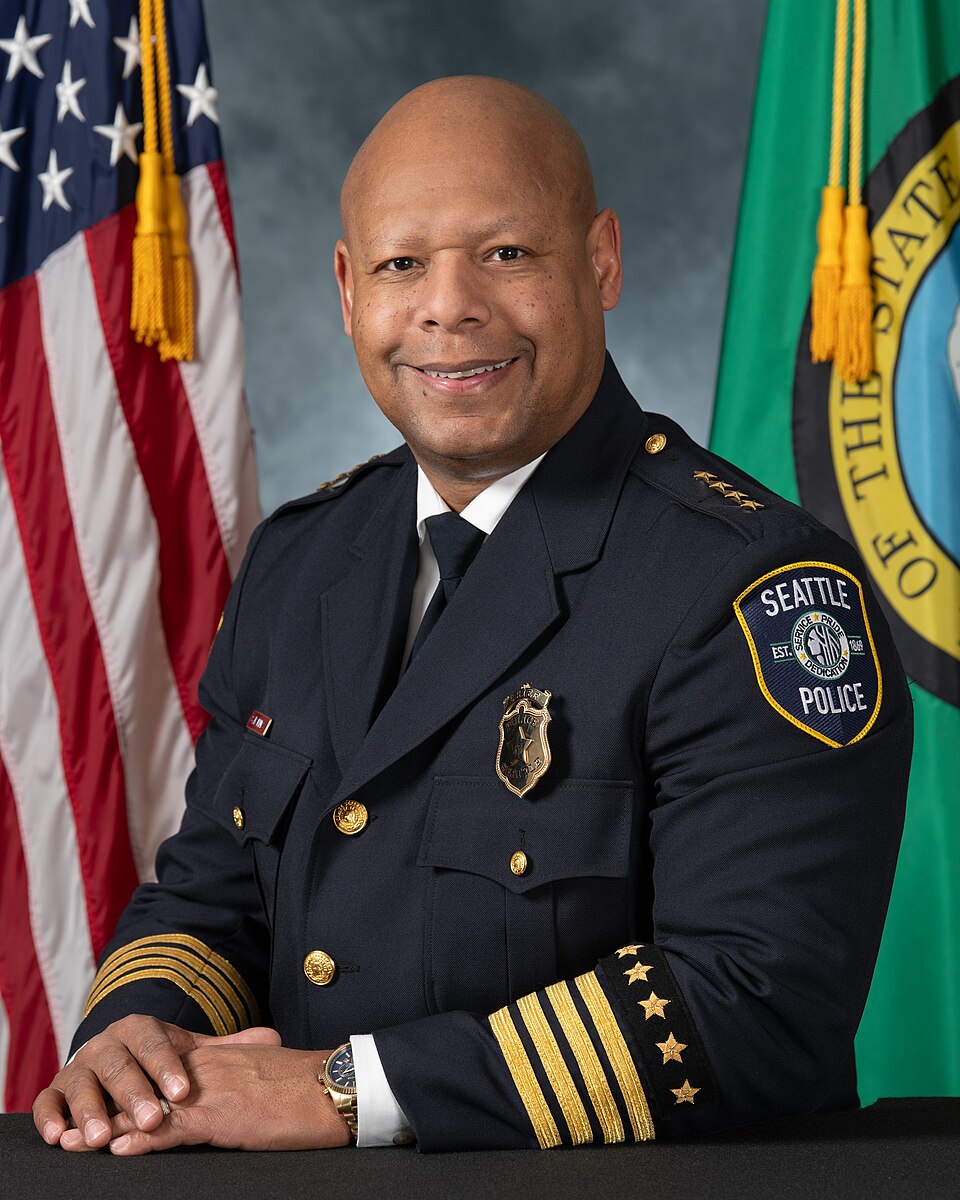
Barnes’ resignation created a sharp divide among Seattle leaders and community organizations. Some residents believed accountability required a change at the top of the police department. Others argued that removing Barnes would not automatically solve the communication problems exposed by the shooting.
Community groups, including the Seattle NAACP and the Urban League of Metropolitan Seattle, defended Barnes’ record. They argued that he had worked to improve police-community relationships and should not be blamed for challenges involving multiple city agencies.
Several members of the Seattle City Council also expressed concern about the decision. They warned that continued leadership changes could create instability at a time when the department needs consistency to address crime, recruitment, and public safety concerns.
The debate reflects a familiar challenge in government accountability. Leaders are often expected to take responsibility when systems fail, but complex failures rarely come from one decision or one person. Emergency responses involve police departments, city managers, elected officials, communication teams, and emergency management agencies.
The Seattle Police Chief Shon Barnes’ resignation therefore raises a broader question: Does replacing a leader create meaningful reform, or does it simply provide a visible response to public frustration?
History shows that leadership changes can bring renewed focus, but lasting improvements require structural reforms. After major failures, organizations often struggle when they replace individuals without examining the processes that allowed problems to develop.
Seattle now faces pressure to prove that the resignation represents more than political damage control. Residents want evidence that future emergencies will be handled differently.
Seattle’s Police Chief Turnover Problem Adds More Uncertainty
The resignation comes during a period when Seattle has already experienced significant police leadership changes. The department has struggled with questions about stability, recruitment, officer retention, and public confidence.
Barnes joined the Seattle Police Department after serving as police chief in Madison, Wisconsin. His appointment was viewed as an effort to bring experienced leadership to a department navigating challenges following years of national debate over policing.
When Mayor Katie Wilson took office, she decided to keep Barnes despite previously supporting major changes to policing policy. The decision suggested that public safety concerns could require continuity rather than a complete shift in direction.
His departure now creates a new leadership search at a critical time. Every transition requires adjustment, and police departments rely heavily on consistent leadership during investigations, training, recruitment, and community engagement.
Seattle Police Chief Shon Barnes’ resignation also comes as the city attempts to balance competing expectations. Some residents want stronger police accountability, while others want more officers, faster emergency responses, and greater protection at public events.
The challenge is not unique to Seattle. Cities across the United States continue searching for the right balance between police reform and effective public safety. The debate often becomes complicated because communities expect both accountability and stability.
Seattle’s next police chief will inherit these unresolved issues. The position requires more than managing crime statistics. It requires rebuilding confidence among residents, officers, and community organizations.
Katie Wilson Faces a Difficult Test After Demanding Accountability
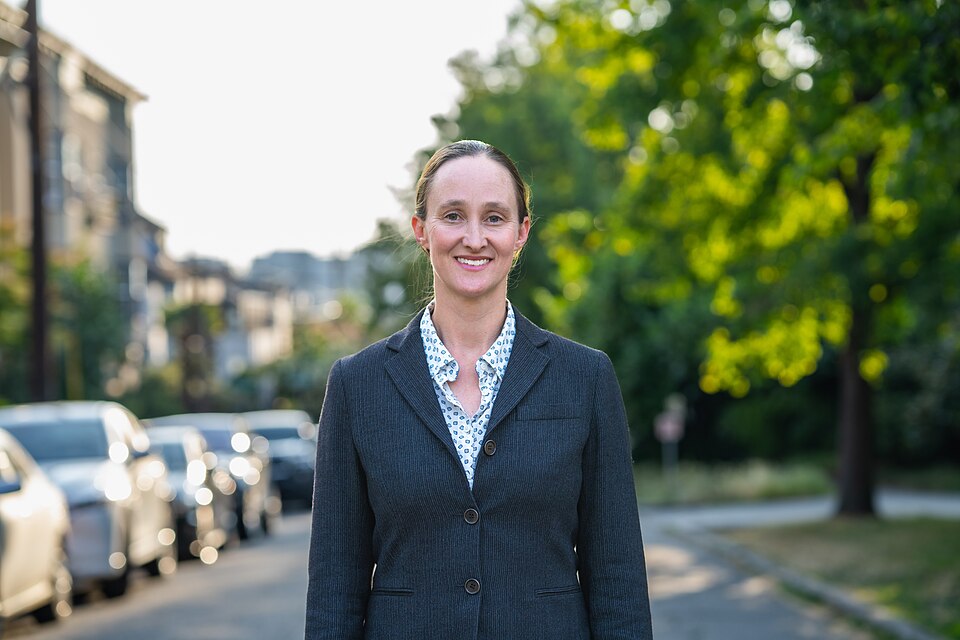
Mayor Katie Wilson now carries much of the responsibility for what happens next. Her decision to accept Barnes’ resignation placed her administration at the center of the public safety debate.
Wilson argued that leadership requires transparency and accountability. She acknowledged failures in communication after the festival shooting and said the city needed stronger procedures for future emergencies.
However, the decision also created political challenges. Supporters of Barnes questioned whether removing the chief addressed the underlying problems. Critics of the police department argued that stronger action was necessary.
Wilson’s challenge reflects a difficult reality for modern mayors. They must respond to immediate public pressure while also making decisions that affect long-term government operations.
Seattle’s public safety debate has often reflected wider national disagreements. Some communities focus on police reform and accountability, while others emphasize crime reduction and emergency readiness. Mayors must often navigate both concerns simultaneously.
The Seattle Police Chief Shon Barnes’ resignation placed Wilson at the center of that tension. Her administration must now demonstrate that accountability can lead to improvement rather than simply another cycle of leadership changes.
The next steps will likely determine how residents judge the decision. A successful transition will require measurable improvements in communication, emergency planning, and trust between government and the public.
The Festival Shooting Revealed a New Challenge for Public Event Security
The Bite of Seattle shooting also raised questions about protecting large gatherings. Festivals, concerts, sporting events, and community celebrations attract thousands of people, creating unique security challenges.
Seattle had officers present at the event, and their quick response became one of the strongest aspects of the city’s handling of the incident. However, the aftermath showed that physical security and communication planning must work together.
Large events require more than police presence. They need clear emergency procedures, rapid public alerts, coordinated leadership, and communication plans that work under pressure.
The shooting also changed how residents may view future public gatherings. Many people attend festivals expecting a safe environment, especially when families and children are present.
The tragedy highlighted the difficulty cities face in preventing unpredictable violence. Even strong security measures cannot eliminate every risk, but preparation can determine how effectively officials respond.
Seattle’s upcoming public events will likely receive additional attention after the shooting. Organizers and city officials will face questions about whether lessons from the incident have been incorporated into future safety planning.
Seattle Police Chief Shon Barnes’ resignation occurred at a moment when public confidence in event security required immediate attention. Leadership changes alone will not reassure residents unless they see improvements in emergency preparedness.
Youth Gun Violence Became the Bigger Issue Behind the Headlines
Beyond the leadership controversy, the shooting highlighted a deeper challenge involving youth violence and illegal firearms.
Authorities linked a teenage suspect to the incident and recovered weapons during the investigation. The case renewed concerns about how young people gain access to firearms capable of causing devastating harm in crowded spaces.
The problem extends beyond one city. Communities nationwide continue struggling with youth access to illegal weapons, social pressures that contribute to violence, and limited intervention opportunities before conflicts escalate.
Seattle officials have repeatedly emphasized the importance of reducing gun violence among young people. The festival shooting added urgency to those discussions.
Law enforcement plays an important role after violence occurs, but prevention requires broader cooperation. Schools, families, community organizations, and government agencies all influence whether young people enter situations that lead to violence.
The tragedy also demonstrated how quickly individual conflicts can affect entire communities. People attending a public festival became victims of violence they had no connection to.
The Seattle Police Chief Shon Barnes’ resignation may dominate headlines, but the deeper challenge remains preventing future tragedies before emergency responders ever arrive.
Andre Sayles Inherits a Department Under Pressure
Deputy Chief Andre Sayles now faces the difficult task of leading Seattle’s police department during a period of uncertainty. His appointment provides temporary stability, but he inherits major challenges from the previous administration.
Sayles brings decades of law enforcement experience and familiarity with department operations. His background includes leadership roles focused on investigations and administrative responsibilities.
However, his first priority will likely involve rebuilding confidence after the communication failures surrounding the festival shooting. Residents will judge the department not only by arrests and investigations but also by transparency.
He must also guide the department through ongoing investigations connected to the shooting. Detectives continue working to determine the full circumstances and identify anyone else involved.
The timing adds additional pressure because Seattle continues hosting large public events. The department must demonstrate that it can maintain security while improving communication.
The Seattle Police Chief Shon Barnes resignation created a leadership transition, but Sayles’ success will depend on whether he can turn criticism into meaningful improvements.
Seattle’s Next Chapter Depends on More Than One Resignation
The resignation of Seattle Police Chief Shon Barnes represents a major moment for the city, but it does not mark the end of the conversation.
The festival shooting exposed multiple challenges at once: the dangers of youth gun violence, the difficulty of securing large public events, the importance of emergency communication, and the complicated politics surrounding modern policing.
Seattle now faces a choice. It can treat the resignation as the solution, or it can examine the deeper failures that allowed confusion to grow after the shooting.
True accountability requires more than changing a name at the top of an organization. It requires stronger systems, clearer responsibilities, and a commitment to learning from mistakes.
The officers who responded to the shooting showed the importance of preparation and courage. The communication failures showed the importance of leadership beyond the moment of crisis.
The lasting measure of Seattle Police Chief Shon Barnes’ resignation will not be whether one leader left office. It will be whether Seattle becomes better prepared, more transparent, and more capable of protecting public trust when the next emergency arrives.