9 Food Traditions That Make Family Gatherings Feel Special Without Spending Much
Family gatherings often revolve around food, but an enjoyable meal doesn’t have to involve expensive ingredients or elaborate preparation. Some of the most memorable traditions are built around familiar recipes, shared responsibilities, and time spent together.
Earlier generations frequently relied on dishes that could feed several people. Potlucks, casseroles, homemade desserts, and family recipes made gatherings manageable even when household budgets were limited. These nine traditions can help families create enjoyable meals without making one person responsible for everything.

1. Organizing a Potluck
A potluck allows guests to contribute dishes rather than expecting the host to prepare an entire meal. The arrangement can reduce both food costs and preparation time.
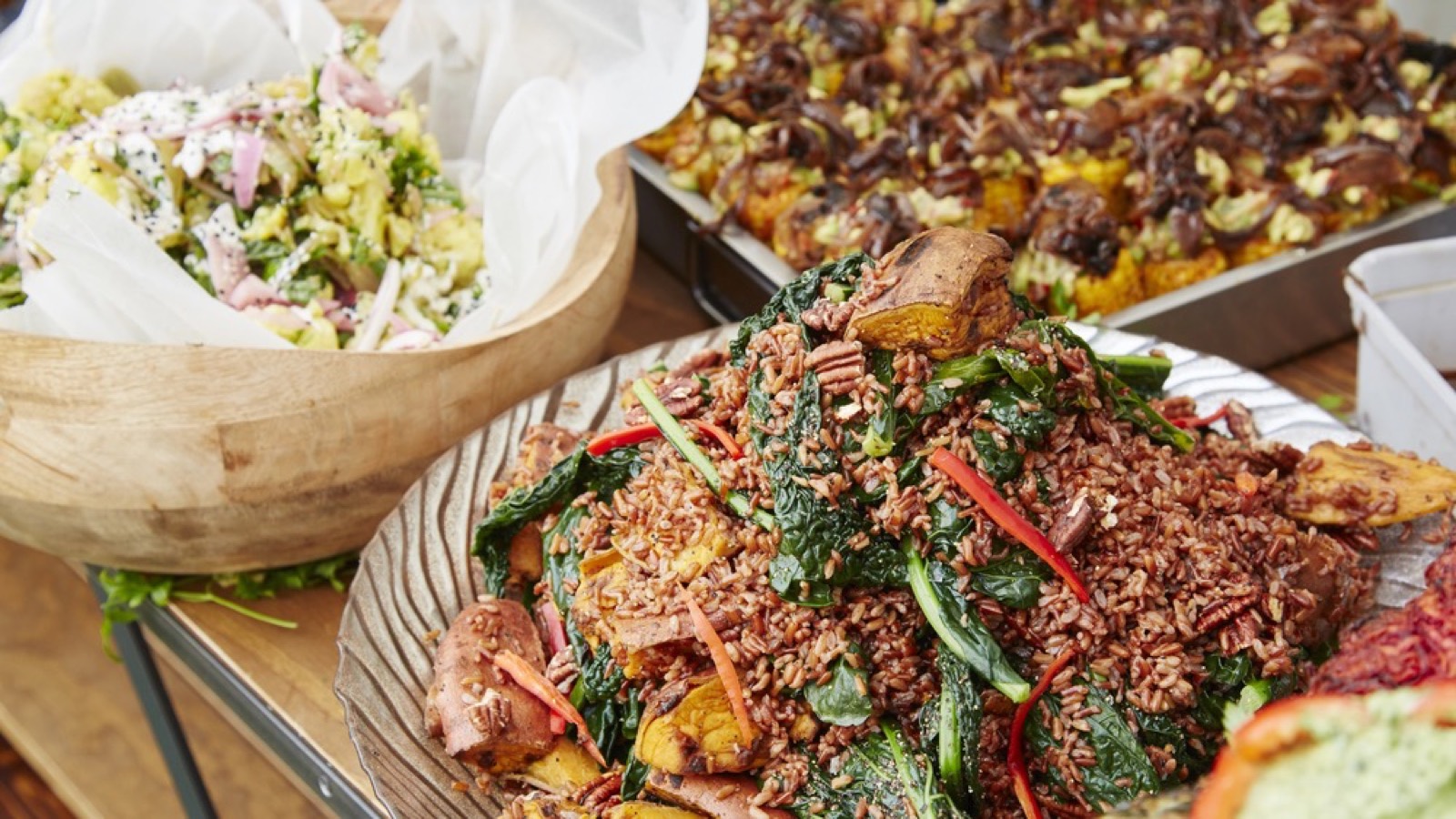
It works best when someone coordinates the menu. Without planning, a gathering might end up with several desserts and very few main dishes.
Assigning broad categories such as salads, proteins, sides, and desserts can create variety. Guests can still choose recipes they enjoy preparing.
2. Preparing One Large Main Dish
A substantial main dish can simplify a family gathering. Roast chicken, baked pasta, chili, or a casserole may provide several servings without requiring individual preparation.
Choosing something that can be prepared ahead of time makes hosting easier. It also allows the cook to spend more time with guests.
The right dish depends on group size, food preferences, and available equipment. A simple recipe that works reliably is often preferable to something complicated.
3. Sharing a Family Recipe
Preparing a recipe associated with a parent or grandparent can give a gathering personal meaning. The dish may remind relatives of holidays, birthdays, or childhood dinners.
The recipe doesn’t need to be elaborate. A familiar meatloaf, pie, soup, or casserole can become a family tradition.
Recording the ingredients and methods helps preserve the recipe. Younger relatives may also enjoy learning how it is prepared.
4. Hosting a Breakfast Gathering
Breakfast foods can provide an affordable alternative to a formal dinner. Pancakes, eggs, fruit, and toast allow families to offer several choices without preparing complicated entrées.
The format can work particularly well for weekend gatherings. Guests may appreciate a relaxed meal that doesn’t occupy an entire evening.
A breakfast gathering can also include familiar diner-style foods. Pancakes, for example, remain a recognizable comfort food across generations.
5. Cooking Together
Food preparation doesn’t have to be the host’s responsibility alone. Family members can help chop vegetables, prepare side dishes, set the table, or clean afterward.

Shared cooking creates opportunities for conversation. It can also help younger relatives learn recipes and practical kitchen skills.
Tasks should match each person’s abilities and experience. Children can participate in appropriate ways without handling dangerous equipment.
The result is more than a finished meal. The preparation itself becomes part of the gathering.
6. Serving Food Family-Style
Family-style meals place shared dishes on the table, allowing guests to serve themselves. This can create a relaxed atmosphere and reduce the need to prepare individual plates.
People can select portions that fit their appetite. The arrangement also encourages conversation as dishes are passed around.
Food should remain within safe serving temperatures, particularly during longer gatherings. Refrigerated items should not sit on the table indefinitely.
Simple serving bowls and platters are enough. Formal dinnerware isn’t necessary for an enjoyable meal.
7. Making Homemade Dessert
A homemade dessert can become a memorable part of a gathering without requiring expensive ingredients. Cobblers, brownies, cookies, and simple cakes are familiar options.
Some recipes can be prepared the day before. That reduces the amount of work required on the day guests arrive.
Dessert preparation can also become a family activity. Children may enjoy mixing ingredients or decorating finished treats.
The goal isn’t perfection. A familiar dessert prepared with care often means more to relatives than an elaborate presentation.
8. Using Seasonal Ingredients
Seasonal produce can help shape an affordable gathering menu. Summer meals may include tomatoes and fresh fruit, while cooler weather encourages soups and baked dishes.
Prices vary by region, so seasonal ingredients aren’t guaranteed to be the cheapest option. Comparing current prices remains important.
Choosing ingredients that are plentiful locally can provide both flavor and value. It may also inspire dishes associated with particular times of year. A menu built around a few dependable ingredients is often easier to manage than one requiring numerous specialty purchases.
9. Creating a Simple Family Food Tradition
A family tradition doesn’t need to involve a holiday. It could be a monthly pancake breakfast, a Sunday soup lunch, or an annual potluck.
Regular gatherings create opportunities for relatives to spend time together. The food provides a familiar structure without becoming the entire purpose.
Traditions should remain flexible as families grow and schedules change. Requiring an elaborate meal every time may make gatherings difficult to maintain. The most successful traditions are often the easiest to repeat.
Why Simple Gatherings Can Be Memorable
Food plays an important role in many family memories, but expensive ingredients aren’t required to create those experiences. Familiar dishes, shared cooking, and conversation can provide the foundation.
The USDA’s nutrition resources offer guidance that can help households plan practical meals. Adjusting quantities and ingredients makes it easier to serve larger groups.
Families can also reduce hosting pressure by communicating expectations. Guests may be happy to bring food or help with cleanup when invited to participate.
The most important tradition may be making time for one another. A simple meal that brings people together regularly can become more meaningful than a complicated dinner that happens only once.