7 Annoying Things About Americans That the World Can’t Stand
America is loved, copied, watched, debated, envied, mocked, and misunderstood all at once. People across the world consume American movies, music, technology, fast food, fashion, and social media trends every day, yet many still roll their eyes at certain American habits. That contradiction is what makes the conversation so interesting. The world often admires American confidence, but it can also feel overwhelmed by it.
Of course, no country can be reduced to one personality, and Americans are not all the same. Some are humble, curious, generous, and deeply respectful of other cultures. Still, certain behaviors have become global stereotypes for a reason. These are the things many people outside the United States often dislike, question, or quietly joke about when Americans enter the room.
They Can Be Too Casual About Other People’s Cultures
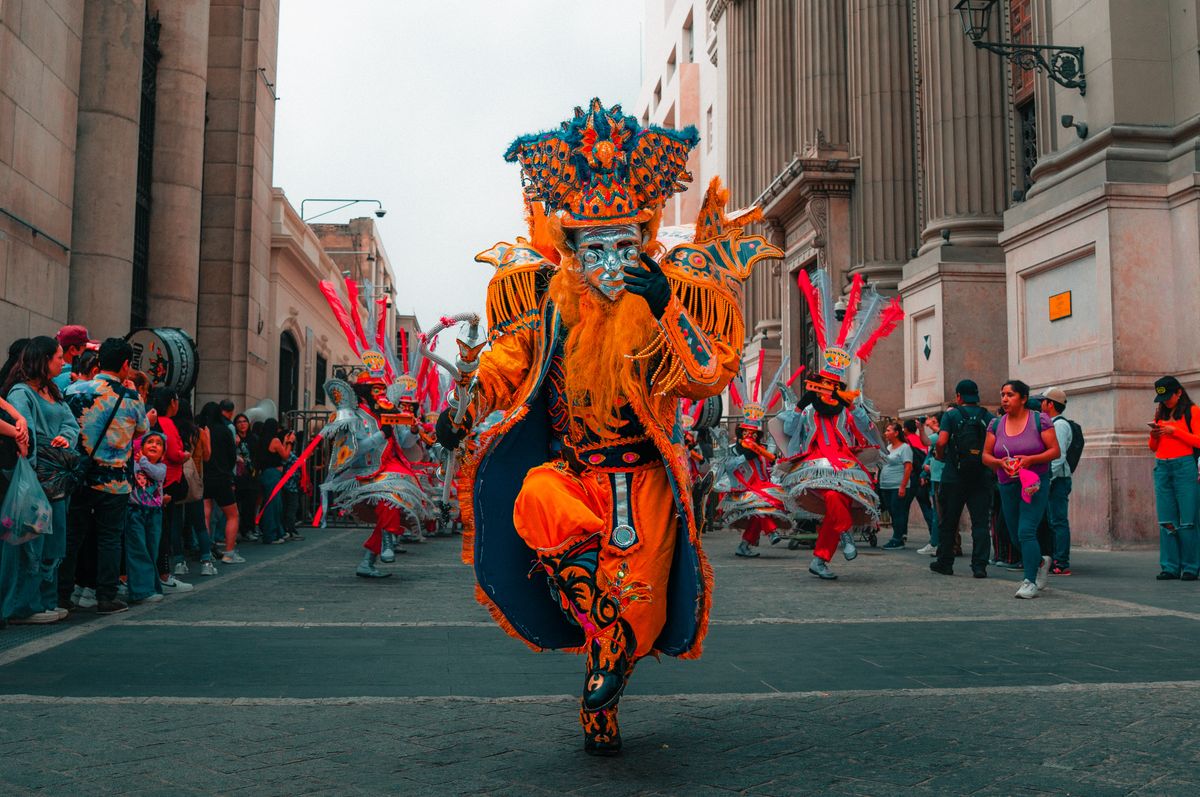
Americans are often curious about other cultures, which can be a good thing. The problem starts when curiosity turns into a costume, trend, or content. Food, clothing, accents, rituals, names, and spiritual traditions can be borrowed quickly, repackaged online, and stripped of meaning. People around the world notice when their culture becomes someone else’s aesthetic.
This is why some Americans get criticized for treating the world like a buffet. A little yoga here, a little kimono there, a little “ethnic food” review, a little spiritual language from a tradition they never studied. Appreciation requires respect, context, and patience. Without those, it can feel like America takes what looks interesting and leaves behind the people who carried it.
They Often Expect English Everywhere
English is widely spoken around the world, and American travelers benefit from it more than almost anyone else. The problem is that some Americans behave as though English should be available automatically in every country, every shop, every hotel, and every conversation. When it is not, frustration can appear quickly.
That expectation can come across as entitled. Many people outside the U.S. grow up speaking two, three, or even four languages, yet they still watch some Americans struggle to learn basic greetings before visiting another country. A simple “hello,” “please,” or “thank you” in the local language can soften an entire interaction. Refusing to try sends a very different message.
Americans Can Seem Too Loud in Public
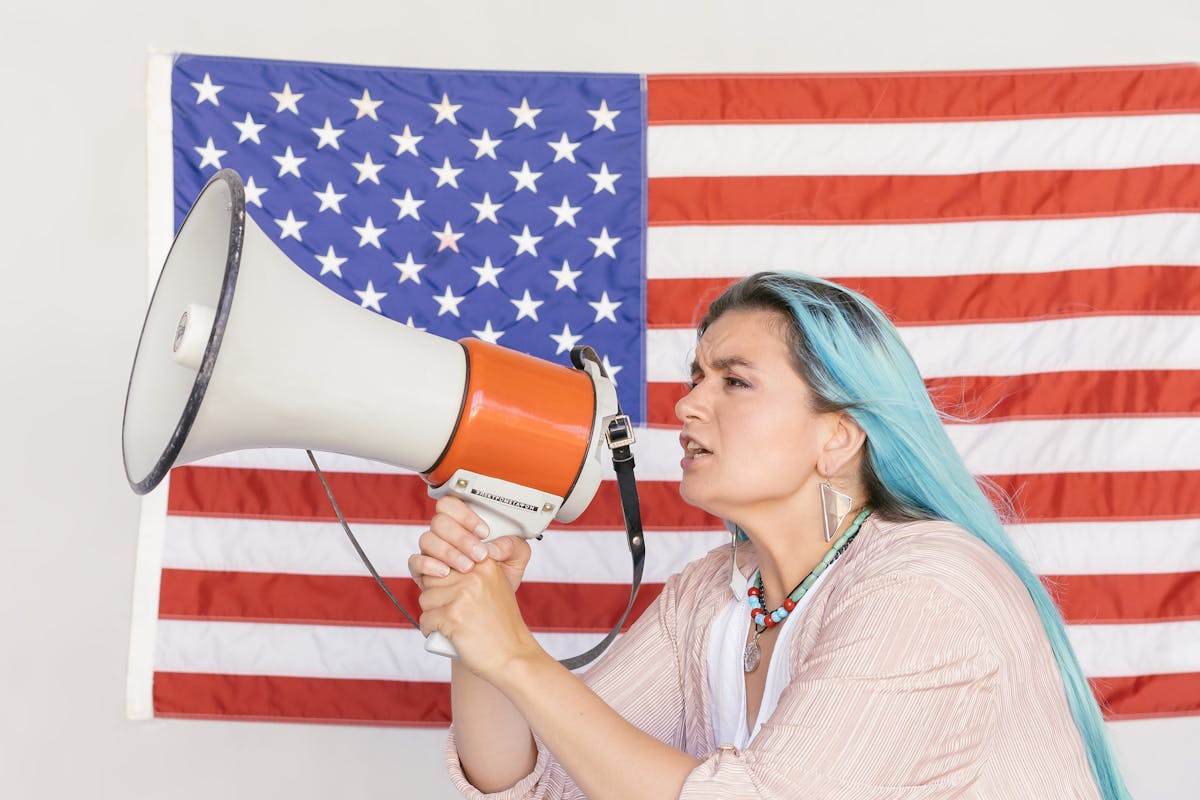
One of the most common complaints about Americans abroad is that they can seem loud, especially in restaurants, airports, trains, hotels, and tourist spots. It is not always intentional. In the U.S., speaking with energy can signal friendliness, confidence, or excitement. In quieter cultures, though, that same volume can feel disruptive or attention-seeking.
This is why Americans sometimes stand out before they even introduce themselves. A loud laugh, a booming phone call, or a dramatic complaint at the counter can turn heads quickly in places where public calm is valued. The issue is not that Americans are happy or expressive. The issue is that the rest of the room did not always agree to participate in the performance.
They Sometimes Act Like America Is the Center of Everything
Many people around the world get frustrated when Americans discuss global issues as though every story begins and ends with the United States. Wars, elections, trade, pop culture, sports, and even geography can be filtered through an American lens. That habit can make people from other countries feel invisible, especially when their own histories and experiences are treated as side notes.
This attitude often appears in small, everyday ways. An American may assume everyone knows U.S. states, presidents, celebrities, holidays, or slang, but knows very little about other countries. The world does pay attention to America, but that does not mean the world wants to be treated like America’s supporting cast. Global influence is powerful, but it becomes irritating when it sounds like global ownership.
They Can Mistake Confidence for Correctness

American confidence can be magnetic. It helps people pitch ideas, build companies, speak boldly, and walk into unfamiliar rooms without shrinking. Yet that same confidence can become exhausting when it turns into certainty without listening. Many people dislike the way some Americans speak with authority on cultures, conflicts, foods, religions, or traditions they barely understand.
This becomes especially noticeable during travel or online debates. A person may spend three days in a country and suddenly explain it to people who have lived there all their lives. That habit can feel arrogant, even when it comes from curiosity rather than malice. Confidence is attractive when it is paired with humility. Without humility, it starts to sound like a lecture nobody requested.
American Consumer Culture Can Feel Excessive
To many outsiders, American life can look like a nonstop shopping mall with highways attached. Bigger cars, bigger drinks, bigger houses, bigger portions, bigger closets, and bigger holiday sales all feed the image of a country addicted to more. The world has adopted plenty of American brands, but it also criticizes the scale of American consumption.
This dislike often comes from the feeling that waste has been normalized. People see viral videos of giant grocery hauls, oversized restaurant meals, disposable packaging, and closets full of barely used items, then wonder why so much is treated as ordinary. America did not invent consumerism, but it perfected its spectacle. To many people abroad, that spectacle looks less like freedom and more like a very expensive trap.
American Politics Feels Exhausting to Everyone Else

U.S. politics does not stay inside U.S. borders. It affects markets, wars, climate policy, immigration debates, social media platforms, and international alliances. That means people around the world often have to follow American political drama even when they never voted in it. For many, that constant noise feels tiring.
The world sees the shouting, the scandals, the culture wars, the cable news battles, and the online outrage. Some people admire America’s democratic energy, but others see chaos wrapped in flags and campaign slogans. The frustration is simple. American politics is domestic for Americans, but its consequences can become global for everyone else.
The world does not dislike Americans in one simple way. It dislikes certain habits, stereotypes, and cultural patterns that have traveled almost as widely as American entertainment. Loudness, arrogance, consumerism, political drama, and cultural carelessness can all feed resentment. Yet many of the same people who complain about Americans still watch American shows, use American apps, study at American universities, follow American celebrities, and dream about visiting New York, Los Angeles, Miami, or Las Vegas.