8 Mistakes People Make When Buying Watermelon at the Grocery Store
A watermelon can look like summer itself sitting in the produce aisle, big, green, glossy, and full of promise. Then you get it home, cut into it, and realize you paid for a pale, watery disappointment. Buying watermelon at the grocery store looks easy, but one wrong pick can leave you with fruit that tastes more like a cucumber than a candy.
The good news is that watermelon gives clues before you buy it. You just have to know what to look for, what to ignore, and what grocery-store shine cannot hide. These are the common mistakes that keep people from bringing home the sweetest melon in the bin.
Picking the Prettiest One
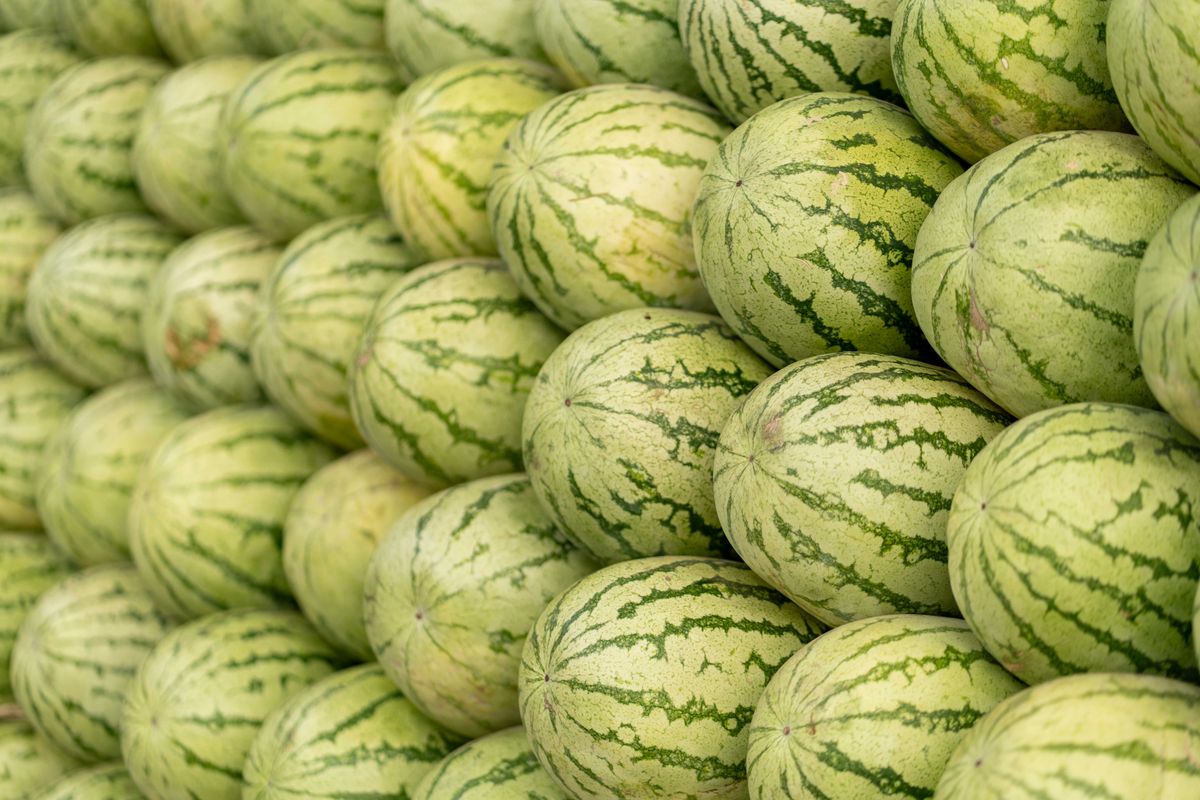
The prettiest watermelon is not always the best one. Many shoppers reach for the smoothest, shiniest melon because it looks fresh and clean. That glossy surface can fool the eye, but it often points to a melon that may have been picked before it fully ripened.
A better watermelon usually has a dull, slightly matte skin. It should look healthy, but not polished like decoration. If the rind looks too shiny, pause before dropping it in your cart because beauty in the melon bin can be a sweet little trap.
Ignoring the Field Spot
The field spot is one of the biggest clues shoppers overlook. That creamy patch on the watermelon shows where it rested on the ground as it ripened. If the spot is pale white or barely visible, the melon may not have had enough time to develop full sweetness.
A rich yellow or buttery field spot is often a better sign. It suggests the watermelon spent more time ripening before harvest. That little patch may not look pretty, but it can tell you more than the perfect green stripes ever will.
Choosing Only by Size

A huge watermelon feels like a better deal, especially when everyone at home loves fruit. The problem is that bigger does not always mean sweeter. Some oversized melons can taste watery, bland, or uneven inside if they grew too fast or were picked too soon.
Instead of choosing the biggest one, compare weight and shape. A good watermelon should feel heavy for its size because that weight often signals juicy flesh. Pick one that feels dense, not just large enough to impress the cashier.
Skipping the Weight Test
Many shoppers grab the first decent-looking watermelon and keep moving. That quick choice can cost them flavor. A ripe watermelon should feel surprisingly heavy when compared with others of similar size.
Lift two or three melons before deciding. The heavier one usually has more water content, which often means better juiciness. If a melon feels light, hollow in the wrong way, or oddly empty for its size, leave it behind and keep searching.
Forgetting to Check the Shape

Watermelons do not need to look perfect, but shape still matters. A melon that is oddly lopsided, dented, or bulging in one area may have grown unevenly. That can affect texture, sweetness, and how the inside looks when sliced.
Look for a watermelon with a uniform shape, either round or oval, depending on the variety. It should feel balanced, firm, and naturally formed. Strange bumps or deep dents are usually warning signs, not charming personality traits.
Trusting the Tap Too Much
The famous watermelon knock test has become grocery-store theater. People tap, listen, nod seriously, then still end up with a mediocre melon. The sound can help, but it should never be the only thing guiding your choice.
A ripe watermelon often gives a deep, hollow sound when tapped. A flat or dull thud can mean it is underripe or overripe. Still, tapping works best when combined with the field spot, weight, skin texture, and overall firmness.
Missing Signs of Damage
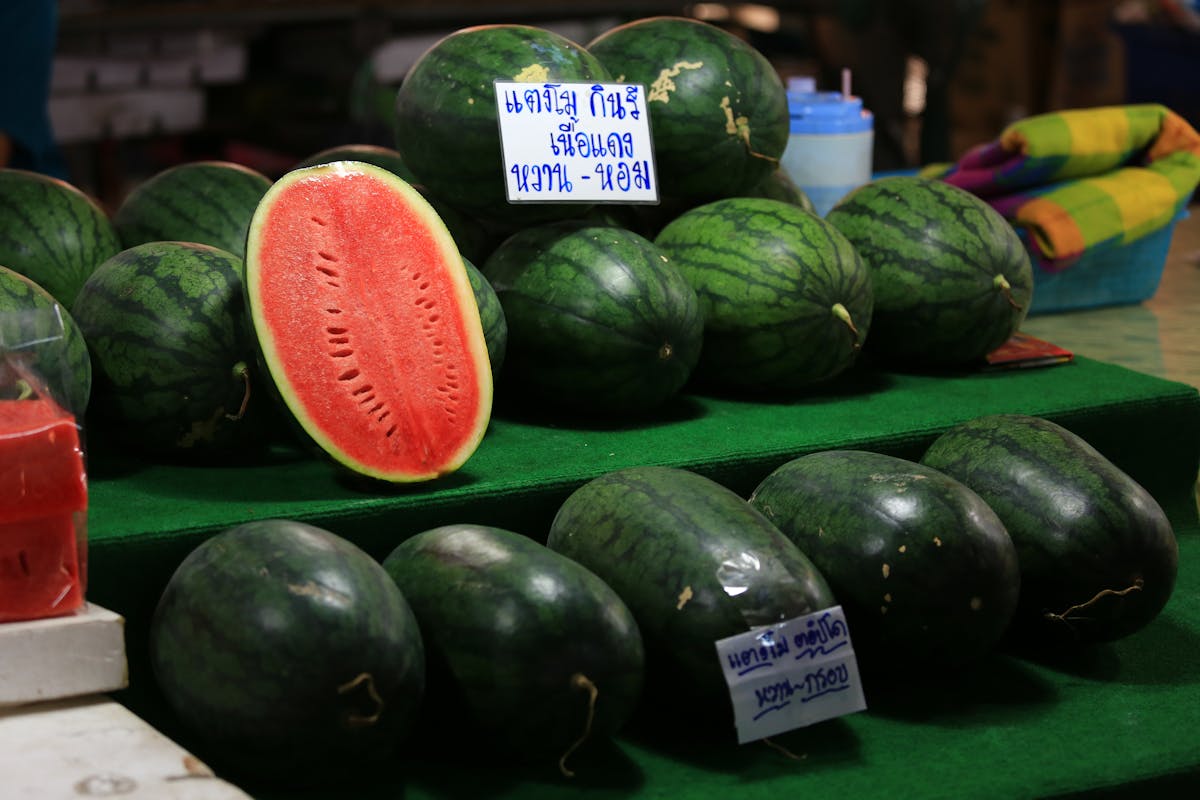
A few scratches on the rind are usually not a problem, but more serious damage should make you cautious. Cuts, soft spots, bruises, cracks, or leaking areas can mean the fruit has been mishandled or is starting to break down. Once the rind is compromised, freshness becomes a gamble.
Run your hand over the watermelon before buying it. The rind should feel firm all around, with no mushy patches or wet spots. If anything feels soft, sticky, or sunken, that melon belongs back in the bin, not in your kitchen.
Buying Pre-Cut Without Looking Closely
Pre-cut watermelon is convenient, but it needs extra attention. Some shoppers grab a container because the fruit looks bright from the top, without checking the texture, liquid, or sell-by date. That can lead to mushy, sour, or tired fruit.
Good pre-cut watermelon should look fresh, firm, and evenly colored. Avoid containers with too much liquid pooling at the bottom, pale pieces, slimy edges, or a dull surface. Convenience is nice, but it should still taste like watermelon, not regret in a plastic tub.
The Sweetest Pick is Usually the Smartest One
Buying watermelon should not feel like a guessing game. The best choice usually comes from paying attention to simple signs: a creamy yellow field spot, a heavy feel, a firm rind, an even shape, and skin that looks dull rather than shiny. None of these tricks is perfect alone, but together they give you a much better shot at a juicy winner.
The next time you stand in front of a pile of watermelons, do not let size or shine make the decision for you. Slow down, lift a few, check the spot, and trust the clues. A sweet watermelon rarely shouts for attention, but it almost always leaves evidence.