7 Most Miserable States to Live in America in 2026
Most people judge a place by its scenery, cost of living, or reputation, but those things rarely tell the full story. The real test of a state is what everyday life feels like once the excitement wears off. Can you find good schools, reliable health care, safe neighborhoods, stable jobs, and opportunities to build a better future?
In 2026, several states continue to struggle across many of those measures at the same time. They may offer beautiful landscapes, rich traditions, friendly communities, or lower housing costs, but those advantages often come with trade-offs that affect millions of residents every day.
This list is not about mocking any state or the people who live there. Instead, it highlights the places where persistent challenges in safety, health care, education, economic opportunity, and overall quality of life make it harder for families and workers to thrive. The results may surprise you.
Mississippi

Mississippi has one major advantage that often catches attention first. It is relatively affordable, and that matters at a time when many Americans feel squeezed by housing, groceries, insurance, and utilities. Still, affordability cannot carry the state when health and education scores remain among the weakest in the country.
This is where the ranking becomes especially harsh. A low cost of living helps, but it does not solve poor health outcomes, weaker schools, limited access to services, or lower economic mobility. Mississippi’s challenge is not that people cannot find community there, but that too many residents face barriers that make upward movement harder than it should be.
Arkansas
Arkansas is another state where low costs can make the first impression look better than the full reality. Housing and daily expenses may be easier to handle than in many other expensive states, giving residents some breathing room. Yet the state falls near the bottom because affordability is only one piece of a much larger puzzle.
The bigger issue is that Arkansas struggles with health, safety, education, and quality-of-life measures that shape daily life in quiet but powerful ways. A lower cost of living does not help enough if wages lag, health care access feels limited, or families worry about long-term opportunity. That is why Arkansas ends up so low despite being one of the cheaper places to live.
Oklahoma
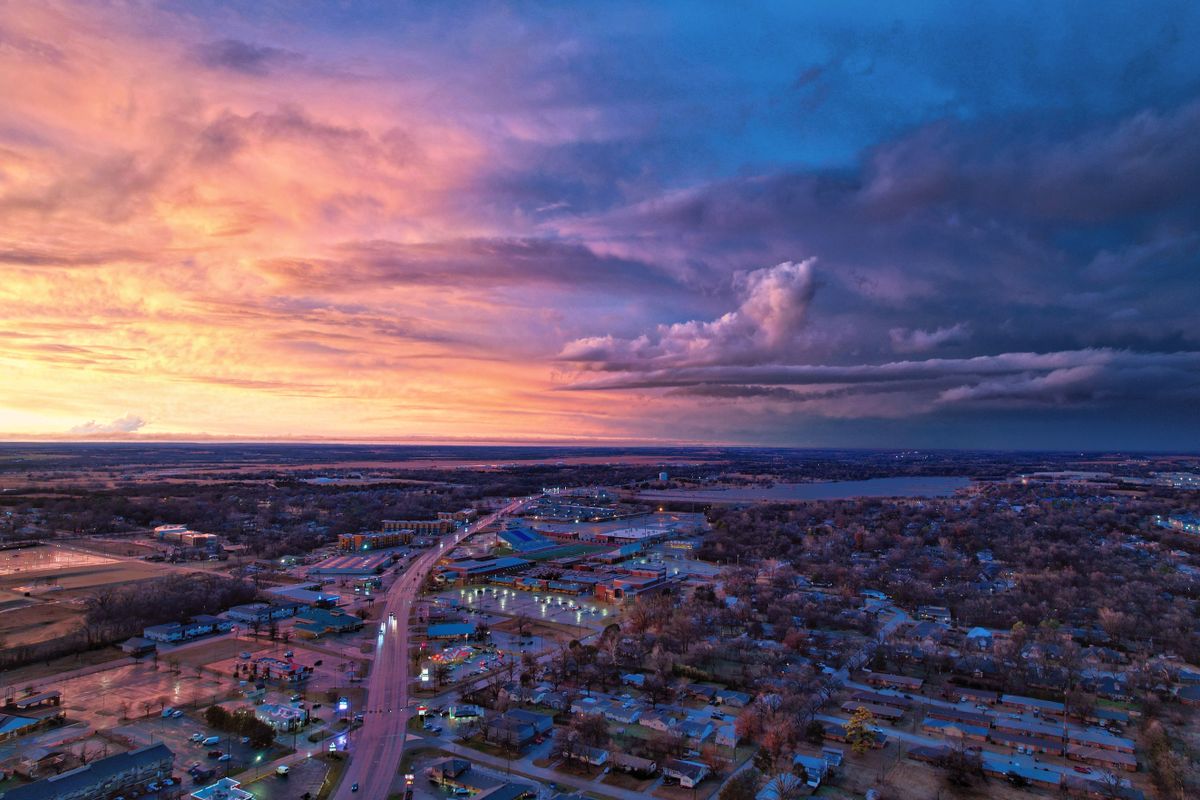
Oklahoma lands near the bottom because it performs weakly across several major quality-of-life categories. Its affordability is not terrible, but livability is about more than finding a cheaper rent or a lower mortgage. When education, health outcomes, safety, and economic strength are combined, the state starts to lose ground quickly.
The problem is that Oklahoma does not have one standout category strong enough to pull it upward. A state can survive a weak score in one area if it shines in another, but Oklahoma sits too close to the lower end in too many places. For families, workers, and retirees, this can create the feeling of living somewhere that is manageable on paper but harder in real life.
South Carolina
South Carolina has plenty of charm, beaches, food culture, and growing cities, but its ranking shows the darker side of everyday living there. The state scores well on affordability, which helps explain why many people still consider moving there. Lower costs, however, do not erase concerns about safety, education, health, and long-term opportunity.
That is the trap with states that look attractive from a distance. A cheaper lifestyle can quickly feel less comforting if residents worry about crime, public services, school quality, or access to good health care. South Carolina may remain popular with newcomers, but this ranking suggests that popularity alone does not equal livability.
Nevada
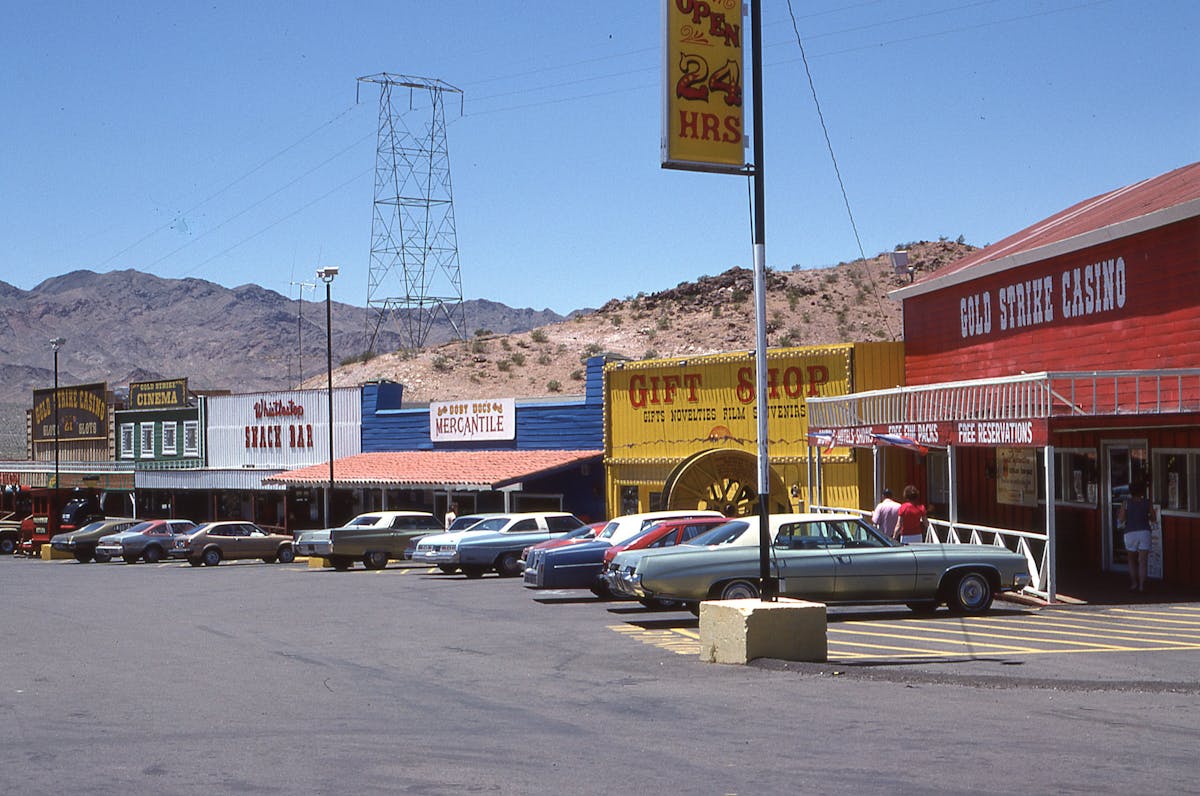
Nevada is often sold as a place of bright lights, desert beauty, tourism jobs, and no state income tax. That image is powerful, especially for people drawn to Las Vegas, Reno, or a more independent Western lifestyle. Yet the state ranks poorly because excitement does not automatically translate into stability.
Nevada’s economy depends heavily on tourism, hospitality, entertainment, and service industries, which can leave households exposed when those sectors slow down. Affordability has also become a growing concern as housing costs rise in popular areas. For many residents, Nevada’s appeal is real, but the pressure behind the postcard version is just as real.
Alaska
Alaska may be one of the most visually stunning states in America, but beauty does not always make life easier. The state ranks poorly because distance, weather, transportation challenges, and limited access to services can complicate everyday tasks. What feels adventurous to visitors can feel exhausting to residents trying to manage health care, groceries, school, and work.
Alaska’s economy scores better than many states near the bottom, which makes its placement more interesting. The issue is quality of life, where the state ranks extremely low because geography affects almost everything. Living in Alaska can be rewarding, but it often demands more money, planning, patience, and resilience than many people expect.
Louisiana
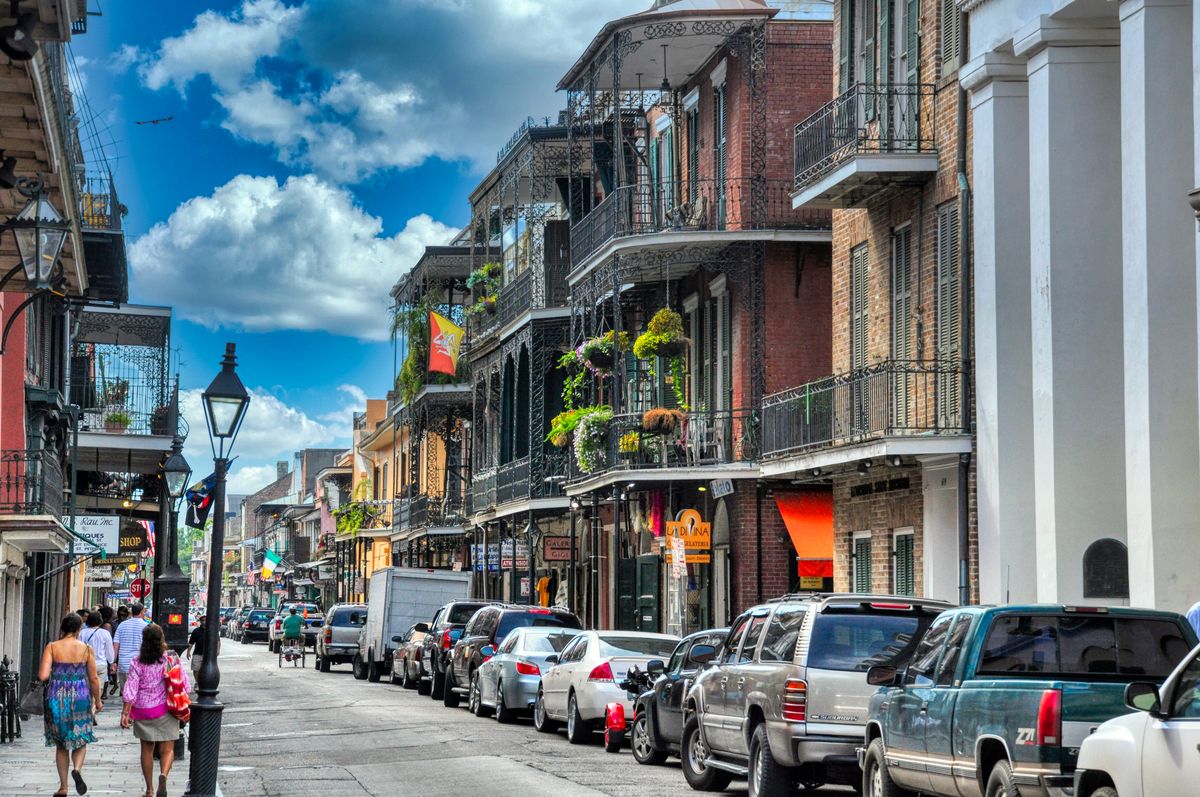
Louisiana has a culture that few states can match. Its music, food, festivals, neighborhoods, and history give it a personality that is impossible to ignore. But livability rankings are not based on personality, and Louisiana suffers because economic weakness, safety concerns, education struggles, and health issues overlap in ways that hit residents hard.
The state ranks especially poorly in economic performance, which matters because jobs and income shape nearly every other part of life. When people face weaker financial stability, it becomes harder to access better housing, health care, education, and safer neighborhoods. Louisiana may have soul, but the ranking suggests many residents are paying a heavy price for living in a state with deep structural problems.
The point of this list is not to insult the people who live in these states. Many residents love their communities, defend their hometowns, and would never trade their way of life for a higher-ranking state. The warning is that policy, infrastructure, health care, education, safety, and economic opportunity shape everyday life more than state pride can.