7 Ways Trump’s Election Funding Threat Could Hit Americans Far Beyond the Ballot Box
A fight over elections has suddenly become a fight over emergency money, disaster readiness, and who gets to decide how America votes. The Trump administration’s reported threat to cut homeland security grants from states that refuse new election conditions may sound like another Washington power clash. But this one carries a sharper edge because the money at stake is not just election money. It is funding tied to state security planning, emergency response, infrastructure protection, and preparedness for threats that do not wait for politicians to finish arguing.
At the center of the dispute is a demand that states accept election changes tied to proof-of-citizenship checks, manual audits, and a shift away from certain electronic ballot systems. Supporters see it as a hard push for election integrity. Critics see it as federal pressure dressed up as security policy. The bigger story is what happens when a president tries to turn public safety funding into leverage over state election rules.
Here are seven ways this fight could matter far beyond the headline.
Local Election Workers Could Be Left Holding the Bag
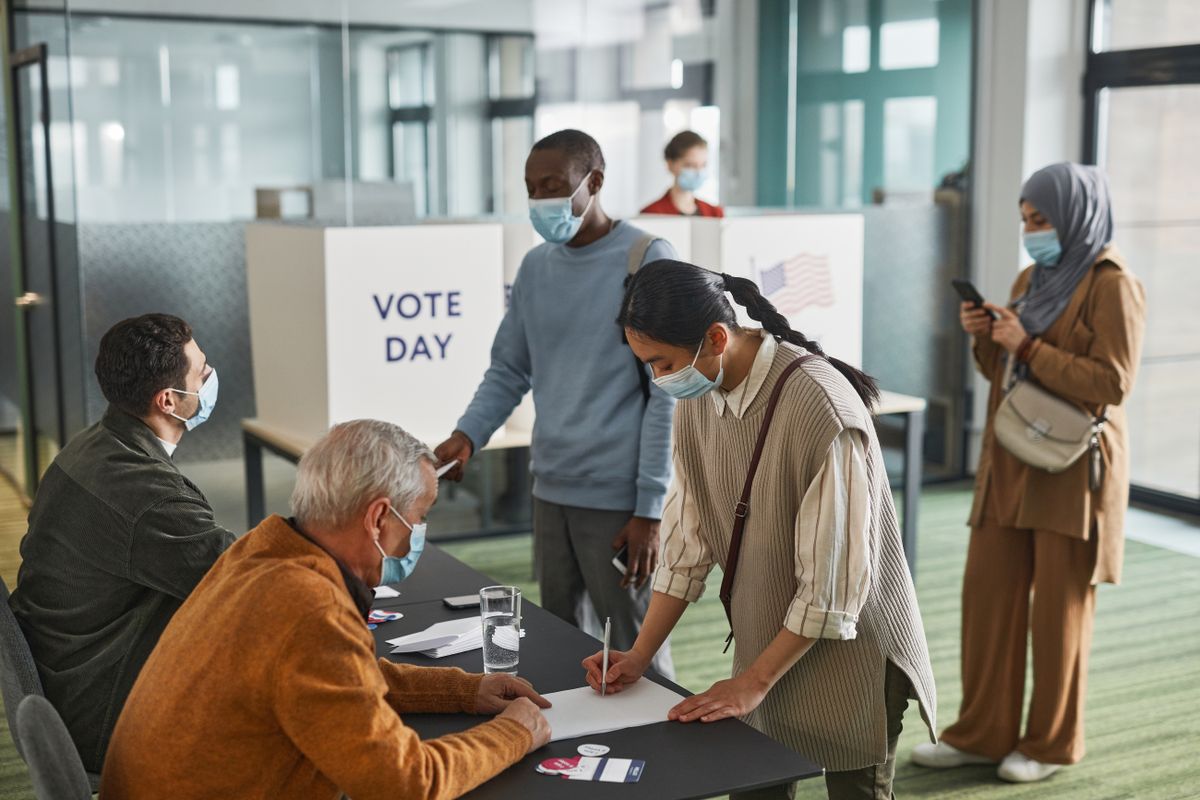
The loudest voices in this debate will come from Washington, state capitals, lawsuits, and cable news panels. But the hardest work would fall on local election offices. These offices already deal with tight budgets, aging equipment, worker shortages, security threats, misinformation, long ballots, mail-voting rules, early-voting schedules, recount procedures, and public scrutiny. If the federal government pressures states to overhaul systems, local officials must figure out how to make it work on the ground.
They would need to retrain poll workers, update procedures, communicate new rules to voters, test equipment, manage audits, handle provisional ballots, and answer questions from confused residents. In some counties, especially smaller ones, election offices may have limited staff and limited money.
That is the hidden burden of sweeping election demands. Politicians announce them in broad language. Local workers must translate them into actual checklists, machines, signatures, forms, ballots, envelopes, scanners, passwords, observers, storage rooms, and deadlines. When those changes are rushed, ordinary voters often feel the consequences first.
Homeland Security Money Could Become a Political Pressure Tool
The most striking part of this fight is not only what Trump wants states to change. It is what he is reportedly willing to use as leverage.
Homeland security grants are designed to help states and local governments prepare for threats, strengthen public safety systems, and protect communities. That can include terrorism prevention, emergency planning, cybersecurity, infrastructure security, and disaster readiness. These are not abstract government accounts sitting untouched in a spreadsheet. They support real programs that communities may rely on when something goes wrong.
That is why the threat feels bigger than a normal election dispute. If a state refuses a president’s demands for an election and loses part of its security funding, the punishment may not fall only on politicians. It could land on emergency agencies, local responders, and public safety planning.
The Paper Ballot Argument Is Not as Simple as It Sounds
Trump’s push against electronic ballots may sound powerful to voters who worry about machines, hacks, or invisible software. Paper feels physical. Paper feels countable. Paper feels safer. But the reality is more complicated. Most American jurisdictions already use voting systems that create a paper record. Many voters fill out paper ballots that are scanned by machines. Others use ballot marking devices that produce paper records for review. The debate is not really whether elections should have paper trails. In most places, they already do.
The real debate is whether states should be forced to change systems quickly, under federal pressure, and at the risk of losing security money. Election equipment is not like swapping out office printers. It requires certification, procurement, testing, staff training, accessibility planning, ballot design, local procedures, storage rules, and post-election audits.
A rushed change could create confusion rather than confidence. Voters may hear “paper ballots” and assume the fix is easy. Election officials know the harder truth: changing how millions of ballots are cast and counted is expensive, slow, and risky when done under pressure.
Proof of Citizenship Rules Could Sound Simple, but Work Messily
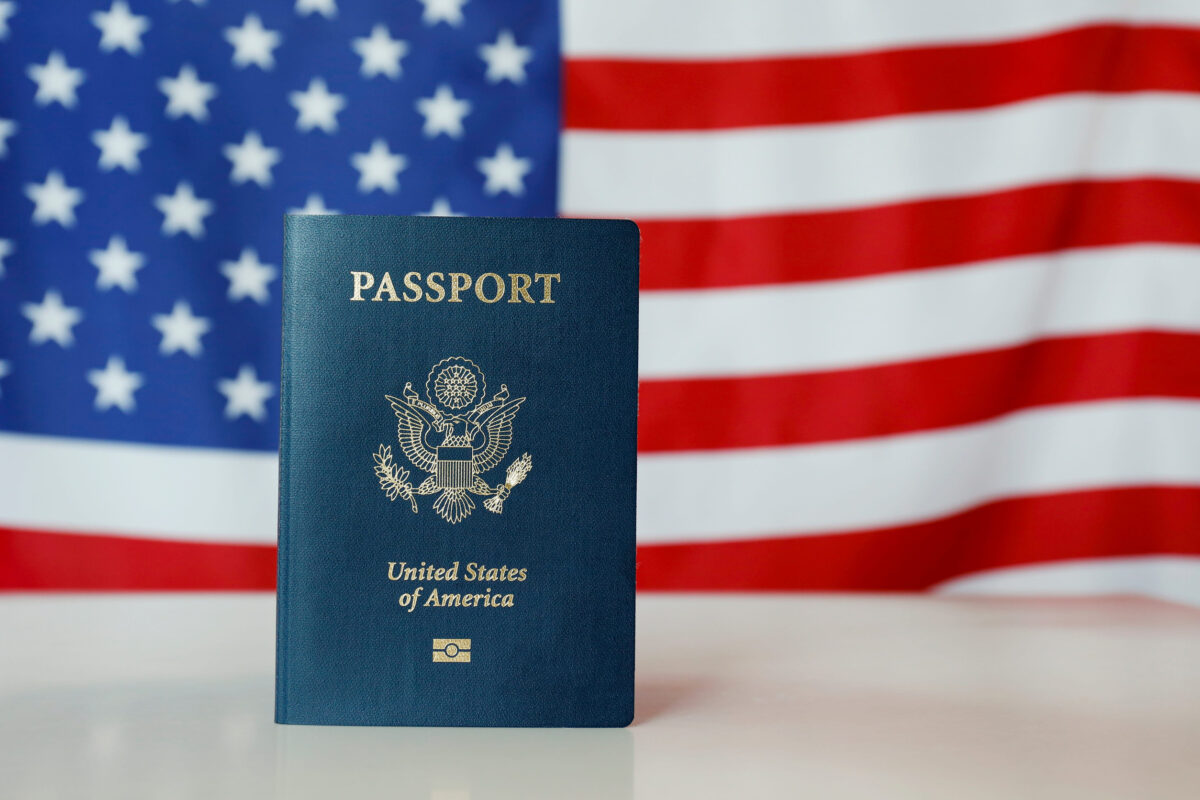
The phrase “prove citizenship before voting” can sound like common sense at first. Only citizens can vote in federal elections, so why not require proof? The problem is in the paperwork.
Millions of eligible voters may not have a passport. Some may not have easy access to a birth certificate. Others may have documents under different names due to marriage, divorce, adoption, immigration history, or clerical errors. Older voters, rural voters, low-income voters, students, naturalized citizens, and people displaced by disasters can face real barriers when paperwork becomes the gatekeeper.
The legal issue is also serious. Federal law already makes noncitizen voting in federal elections illegal. Election officials already use verification systems, voter roll maintenance, signatures, penalties, and registration checks. The question is not whether citizenship matters. It does. The question is whether the cure creates a larger problem by blocking eligible voters who cannot quickly produce the exact documents required.
States May Fight Back Because Elections Are Their Turf
American elections are unusual because they are highly decentralized. The president does not run them. States set many of the rules. Counties and local offices handle much of the machinery. Congress can regulate federal elections, but presidents have limited authority to rewrite the system on their own. That is why this battle is likely to move quickly into courtrooms.
States that resist the new DHS conditions can argue that the administration is trying to do indirectly what it may not be able to do directly. If a president cannot simply order states to adopt certain election procedures, can he threaten to cut security funding until they comply?
That is the constitutional heart of the fight. A grant condition usually has to be lawful, clear, and related to the purpose of the money. If homeland security grants are used to pressure states into broad voting changes, judges may ask whether the administration has crossed from funding oversight into coercion. For states, this is not just about one election cycle. It is about protecting the line between federal influence and state control. Once that line moves, it may be difficult to move back.
The Midterm Timing Makes Everything More Explosive
The November 2026 midterm elections are approaching, and control of Congress is at stake. Any major change to voter registration, ballot systems, auditing rules, or federal funding before a high-stakes election will be viewed through a partisan lens. Supporters of Trump’s push may say the timing proves urgency. They may argue that election rules must be tightened before voters return to the polls.
Opponents will see the timing very differently. They may argue that changing the machinery of elections close to a major national vote creates instability, confusion, and a political advantage for the side demanding the changes.
Both sides will talk about confidence. But confidence is fragile. If voters believe rules are being changed under threat, trust may fall instead of rise. If election workers are forced to adjust systems quickly, mistakes may become more likely. If states sue and courts intervene, voters may face weeks or months of uncertainty about what rules actually apply.
The Real Fight Is Over Who Gets to Define Election Security

Every side in this dispute claims to care about secure elections. The difference is how they define security. For Trump and his allies, security means tougher citizenship checks, more manual oversight, less reliance on electronic systems, and stronger federal pressure on states they view as too loose. For critics, security means protecting voter access, respecting state authority, using verified paper records, funding election offices, improving cybersecurity, avoiding mass purges, and stopping political actors from undermining trust without evidence.
Both visions use the language of safety. But they lead to very different outcomes. That is why the DHS funding threat is such a powerful flashpoint. It turns election security into a loyalty test. States are not simply being asked to improve systems. They are being told that refusal may carry a financial penalty.
That should concern voters across party lines. A president who can pressure states over elections by threatening to cut security funding could reshape the balance of power in ways that outlast one administration. Even voters who support Trump’s current demands may not like the same tactic when used by a different president for a different agenda.