9 Dinner Habits That Can Make Family Meals More Enjoyable Without Spending More
Many families want to eat dinner together, but it doesn’t always go the way they imagine. Someone is late, someone else is on their phone, the kids complain about the food, and the meal is over in ten minutes. By the time the dishes are done, nobody feels like they connected at all.
The good news is that a better family dinner doesn’t require fancy food, a bigger grocery budget, or a dining room straight out of a magazine. Small changes in routine and attitude can make a real difference. Research has linked regular family meals with healthier eating and closer relationships. Here are nine simple dinner habits that can make family meals more enjoyable without spending a single extra dollar.

1. Set a Predictable Dinner Time
Families that eat at about the same time each evening often find it easier to gather. A regular dinner hour gives everyone something to plan around, from after-school activities to work schedules. It also reduces the nightly scramble of asking who is home and when.
It doesn’t have to be the same minute every night. Even a loose window helps children know what to expect and helps parents plan meals. Over time, dinner becomes a natural part of the day rather than a last-minute decision.
2. Share the Cooking
Dinner doesn’t have to be one person’s job. When everyone helps, the work gets lighter and the meal feels like a team effort. Children can wash vegetables, stir sauces, or set the table, while older kids can handle simple recipes on their own.
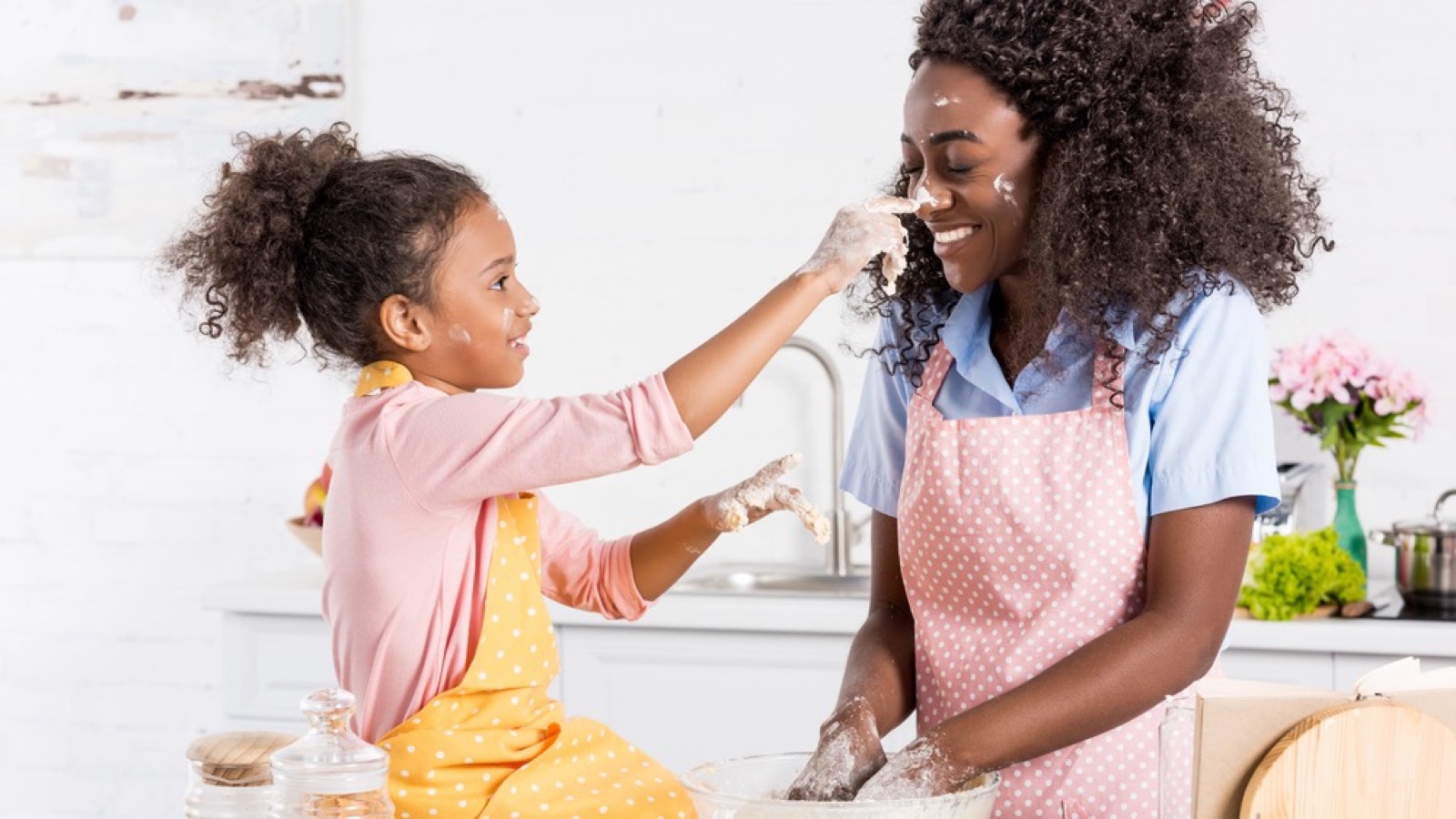
Cooking together also gives families time to talk before they even sit down. Children who help prepare a meal are often more willing to taste it. It is a free way to teach life skills while spending time together.
3. Offer at Least One Familiar Food
Picky eaters can turn dinner into a battle. One simple way to ease tension is to include at least one food everyone likes. That might be bread, rice, fruit, or a favorite vegetable.
This approach lets children try new foods without feeling pressured. Many experts recommend offering new foods alongside familiar ones rather than forcing children to eat them. It keeps the mood calmer and makes dinner more pleasant for everyone.
4. Serve Food Family-Style
Serving dishes in bowls on the table, rather than plating food in the kitchen, can change the feel of a meal. Everyone passes the dishes, serves themselves, and decides how much to take. It feels more relaxed and less like a cafeteria line.
Family-style serving also gives children a sense of control over their meals. They learn to judge their own hunger and practice good manners. It costs nothing, and it often makes an ordinary dinner feel a little more special.
5. Keep Phones Away From the Table
Phones and screens are one of the biggest barriers to real conversation at dinner. A buzzing phone can pull attention away in an instant. Many families now set a simple rule: no phones at the table.

Some families keep a basket by the door for devices during meals. Parents can set the example by putting their own phones away first. Without the distraction, people are more likely to talk, laugh, and actually listen to each other.
Turning off the television during dinner can help as well. Background noise makes it harder for everyone to hear and join the conversation. Many families find that a quiet table, or soft music at most, makes dinner feel calmer and more connected.
6. Ask Better Questions
“How was your day?” often gets a one-word answer. Asking more specific questions can lead to better conversations. Try asking about the funniest thing that happened, something they learned, or a moment they were proud of.
The Family Dinner Project, a nonprofit devoted to family meals, offers free conversation starters for families of all ages. Simple games and questions can make dinner more fun. They also help family members learn more about each other.
7. Avoid Arguments About Food
Dinner can quickly turn sour when every meal becomes a fight about vegetables. Pressuring children to clean their plates or eat certain foods often backfires. It can create stress and make children dread mealtime.
Instead, many parents find it helpful to offer healthy options and let children decide how much to eat. The focus stays on spending time together, not on what is left on the plate. A calm, positive meal is better for everyone than a battle over broccoli.
8. Create Small Traditions
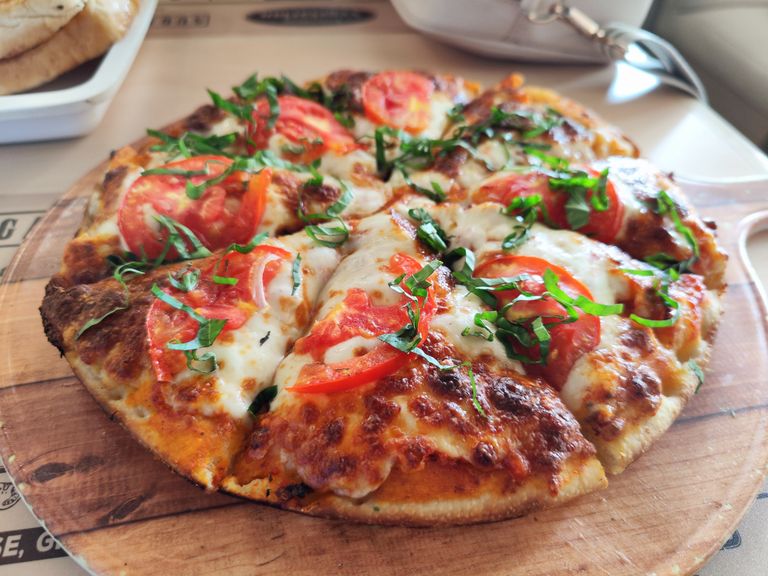
Little traditions can make ordinary dinners something to look forward to. Some families have taco night, breakfast for dinner, or a weekly homemade pizza night. Others light a candle or share one good thing from their day.
These traditions don’t cost extra money because they use foods families already buy. They give children happy memories and a sense of belonging. Over the years, they often become some of the most cherished parts of family life.
9. Clean Up Together
The end of the meal can be a good time to work as a team. Clearing the table, washing dishes, and putting away leftovers go faster when everyone helps. It also means one person isn’t stuck with all the work.
Cleaning up together can extend the conversation and the time spent as a family. Some families put on music while they wash and dry. It teaches responsibility and makes the whole dinner routine feel fair.
Why Family Meals Matter
Family meals matter because they give people a regular time to connect. In a busy world, a shared dinner is one of the few moments when everyone sits down together. Even a simple meal can become a source of comfort and stability.
Many families miss the old Sunday family dinner tradition that once brought relatives together each week. Dinner with the people you love is one of the simple pleasures that is easy to overlook. Which of these habits does your family already practice?