8 Food Preparation Secrets That Can Help Ordinary Ingredients Taste Better
Have you ever eaten a simple dish at a restaurant, like roasted carrots or a plate of pasta, and wondered why it tasted so much better than yours? Chances are, the chef wasn’t using rare ingredients or a secret family recipe. They were using a handful of basic techniques that bring out the best in ordinary food.
These tricks aren’t complicated, and most of them don’t cost a single extra dollar. They come down to timing, temperature, and a few small habits that professional cooks learn early on. Once you start using them, everyday meals can taste brighter, richer, and more satisfying. Here are eight food preparation secrets that can help ordinary ingredients taste better in your own kitchen.

1. Salt Meat Ahead of Time
Many home cooks salt meat right before it goes into the pan. Chefs often salt it hours ahead, or even the night before. This technique, sometimes called dry brining, gives the salt time to work its way into the meat.
The result is meat that is more evenly seasoned and often juicier. It works especially well for chicken, pork chops, and roasts. Simply sprinkle salt over the meat, place it on a plate, and refrigerate it uncovered or loosely covered until it’s time to cook.
2. Pat Meat and Vegetables Dry
Moisture is the enemy of a good sear. When meat or vegetables go into a pan wet, they steam instead of browning. That means less flavor and a softer texture.
Patting food dry with paper towels before cooking helps it brown more evenly. This is especially important for chicken skin, steaks, and potatoes. It’s a quick step that makes a noticeable difference.
Salting meat after patting it dry also helps the seasoning stick. For extra-crispy chicken skin, some cooks leave the chicken uncovered in the refrigerator for a few hours. The cold air dries the surface, which helps the skin crisp beautifully in the oven.
3. Toast Your Spices
Spices can lose flavor as they sit in the cupboard. Toasting them briefly in a dry pan or warming them in oil can wake up their aroma. This technique is common in Indian, Middle Eastern, and Mexican cooking.
Just a minute or two over medium heat is usually enough. Stir constantly to prevent burning. The difference in flavor can be remarkable, especially with cumin, coriander, and chili powder.
Buying whole spices and grinding them yourself can also improve flavor. Whole spices keep their oils longer than ground versions. A small coffee grinder used only for spices makes the job quick and easy.
4. Don’t Waste the Browned Bits
After searing meat, you’ll often see browned bits stuck to the bottom of the pan. These bits, called fond, are full of flavor. Many cooks scrub them away without realizing their value.
Adding a splash of broth, wine, or water to the hot pan and scraping up the bits creates the base for a delicious sauce. This process is called deglazing. It’s one of the easiest ways to add depth to gravies and pan sauces.
5. Finish With a Splash of Acid
If a dish tastes flat, it may need acid rather than more salt. A squeeze of lemon juice or a splash of vinegar can brighten flavors. Acid balances richness and makes food taste fresher.
Many chefs add a little acid at the end of cooking. It works well in soups, stews, sauces, and roasted vegetables. Taste the dish after adding a small amount, and adjust as needed.
Acid also helps balance dishes that are too salty or too sweet. If a sauce tastes heavy, a little lemon juice can lighten it. It’s one of the simplest ways to rescue a dish that tastes “off” but you can’t quite tell why.
6. Salt Your Pasta Water
Pasta absorbs water as it cooks, which makes cooking water the only chance to season the pasta itself. Unsalted water can leave pasta tasting bland, no matter how good the sauce is. Many Italian cooks say pasta water should taste pleasantly salty.
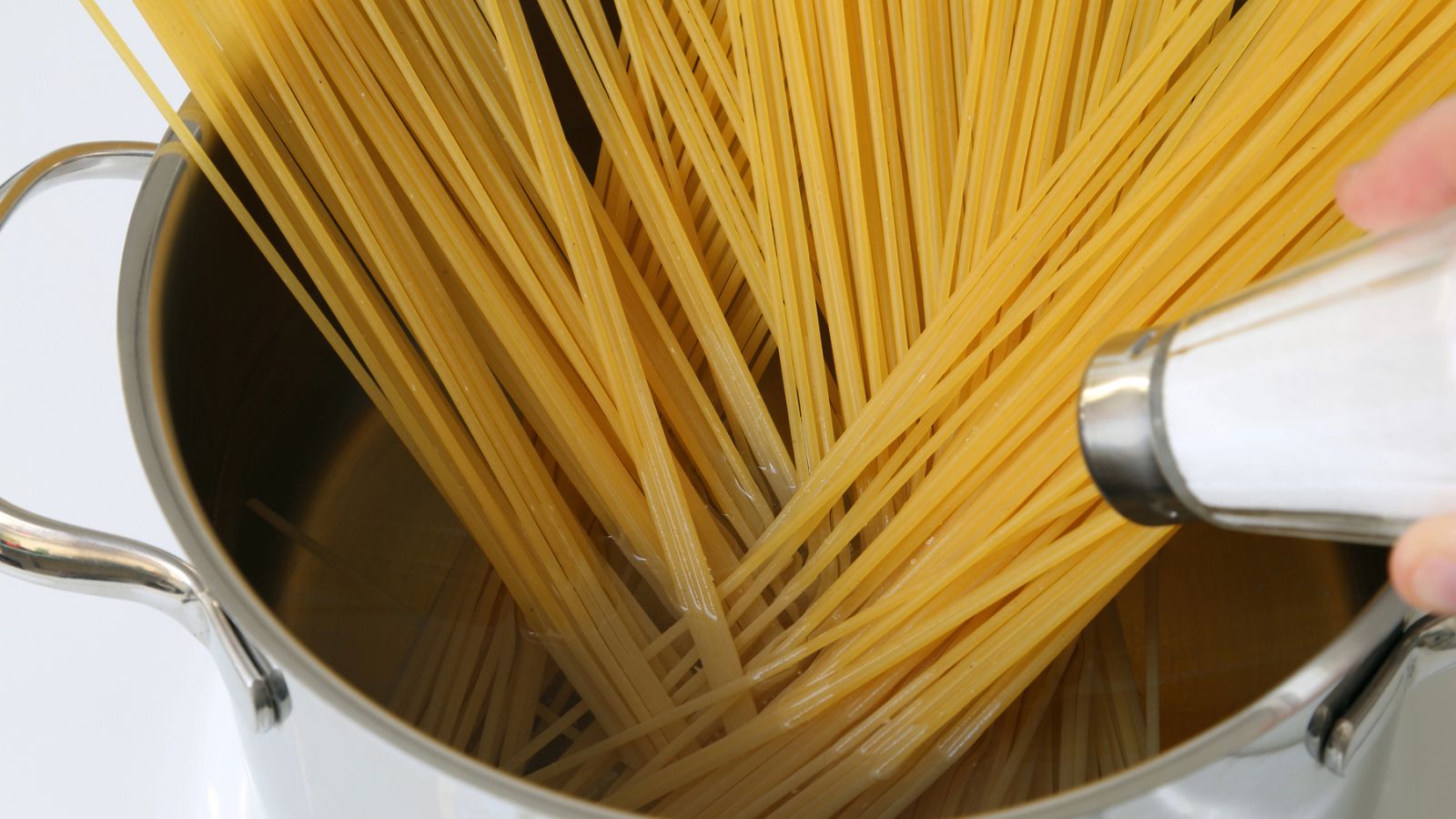
Add salt once the water comes to a boil. Saving a cup of the starchy cooking water before draining can also help. Adding a splash to the sauce helps it cling to the pasta and creates a silky texture.
Pasta water also helps sauces come together when they seem too thick. A small splash loosens the sauce and makes it glossy. It’s a trick many Italian grandmothers have used for generations.
7. Roast Vegetables at High Heat
Many people roast vegetables at too low a temperature. This can leave them soft and pale rather than crisp and golden. High heat brings out natural sweetness through caramelization.
Roasting at around 400 to 425°F works well for most vegetables. Toss them in oil and spread them in a single layer on a baking sheet. The result is vegetables with crispy edges and rich flavor, like the ones in this roasted vegetables recipe.
Turning vegetables halfway through cooking helps them brown evenly on all sides. Using a dark baking sheet can also speed up browning. Giving vegetables enough space on the pan is just as important as getting the oven temperature right.
8. Let Meat Rest After Cooking
Cutting into meat right after cooking can cause juices to run out onto the cutting board. Letting it rest gives the juices time to settle. The meat stays more tender and flavorful.
Small cuts like steaks may need about five minutes, while larger roasts may need 15 minutes or more. Covering the meat loosely with foil keeps it warm. The USDA also recommends a three-minute rest for certain cuts of beef, pork, and lamb after cooking.
Why Small Techniques Work
Small techniques make a big difference because they focus on flavor and texture. They help ingredients reach their full potential. Even simple meals can taste restaurant-quality with a few adjustments.
Even scrambled eggs can be improved with one simple ingredient. Learning these basics can make cooking more enjoyable and rewarding. Which of these secrets will you try first?