8 Foods Americans Over 60 Grew Up Eating That Younger Shoppers Are Rediscovering
If you grew up in the 1950s or 1960s, you may have noticed something funny at the grocery store lately. Foods your mother served at the kitchen table, the ones younger people once turned their noses up at, are suddenly showing up in trendy cafés and all over social media. Some are even being sold in fancy packaging at much higher prices.
Younger shoppers are discovering what older generations always knew: many of these old-fashioned foods are affordable, filling, and surprisingly nutritious. Health trends, rising prices, and a love of all things vintage have given them a second life. Here are eight foods Americans over 60 grew up eating that younger shoppers are now rediscovering.

1. Cottage Cheese
Cottage cheese was a diet staple in the 1960s and 1970s. It was often served with canned peaches or pineapple on a lettuce leaf, sometimes called a “diet plate.” For years after that, it seemed old-fashioned and was overlooked by younger shoppers.
Recently, cottage cheese has made a huge comeback, driven by social media recipes and interest in high-protein foods. People are blending it into pancakes, dips, and even ice cream. Grocery stores have reported strong sales, with some brands struggling to keep up with demand.
For many older shoppers, the trend is a little amusing. They have been eating cottage cheese for decades and never stopped. Now they are watching their grandchildren discover it as if it were brand new.
2. Canned Sardines
Sardines were a cheap, reliable source of protein for many families. They were eaten on crackers or in sandwiches, often with mustard or hot sauce. Many older Americans remember their fathers or grandfathers eating them straight from the tin.
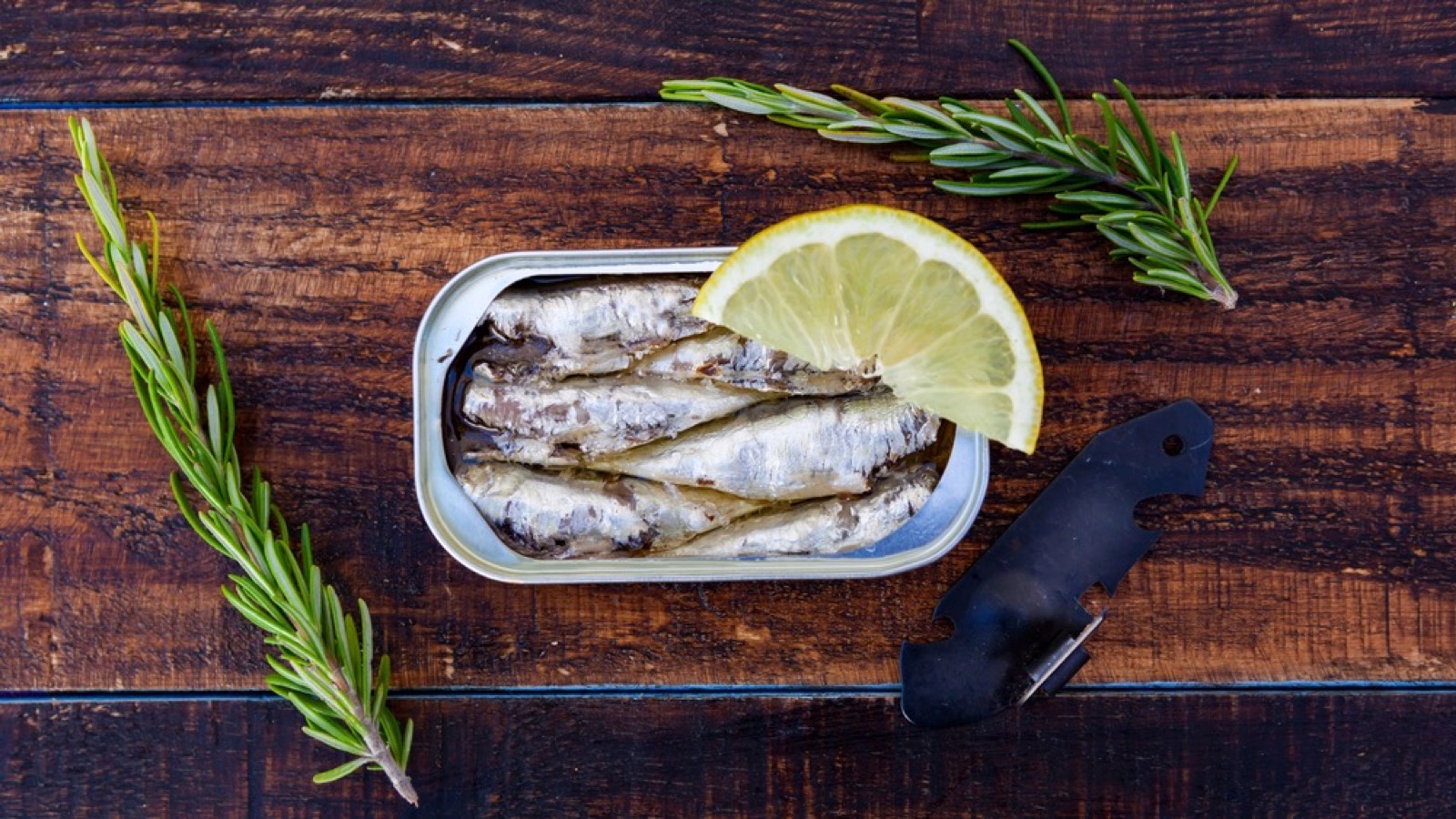
Today, tinned fish has become trendy among younger food lovers. Specialty stores sell beautifully packaged sardines from Portugal and Spain. Sardines are rich in omega-3 fats and calcium, and the FDA lists them among the “best choices” for low-mercury fish.
3. Beef Tallow
Before vegetable oils became common, many families cooked with beef tallow or lard. French fries at many restaurants were once fried in beef tallow, which gave them a distinctive flavor. Grandma also used it for frying and baking.
Tallow is now popular again among people following traditional or ancestral diets. Some restaurants have even returned to frying in tallow. It’s also being sold in jars at specialty food stores for high prices.
Fans say tallow gives fried foods a crisp texture and rich flavor that is hard to match. Critics point out that it is still a saturated fat and should be used in moderation. Either way, Grandma would be surprised to see it sold in fancy jars.
4. Bone Broth
Grandma made broth by simmering bones for hours, often with vegetable scraps and herbs. It was the base for soups, gravies, and stews. Nothing about it seemed special at the time.
Bone broth has become a trendy health drink in recent years. It’s sold in cartons and cafés at premium prices. Many people sip it from a mug, much like their grandparents might have done when they were sick.
5. Sauerkraut
Sauerkraut was common in many American homes, especially those with German or Eastern European roots. It was often served with hot dogs, sausages, or pork. Some families made it themselves in large crocks.
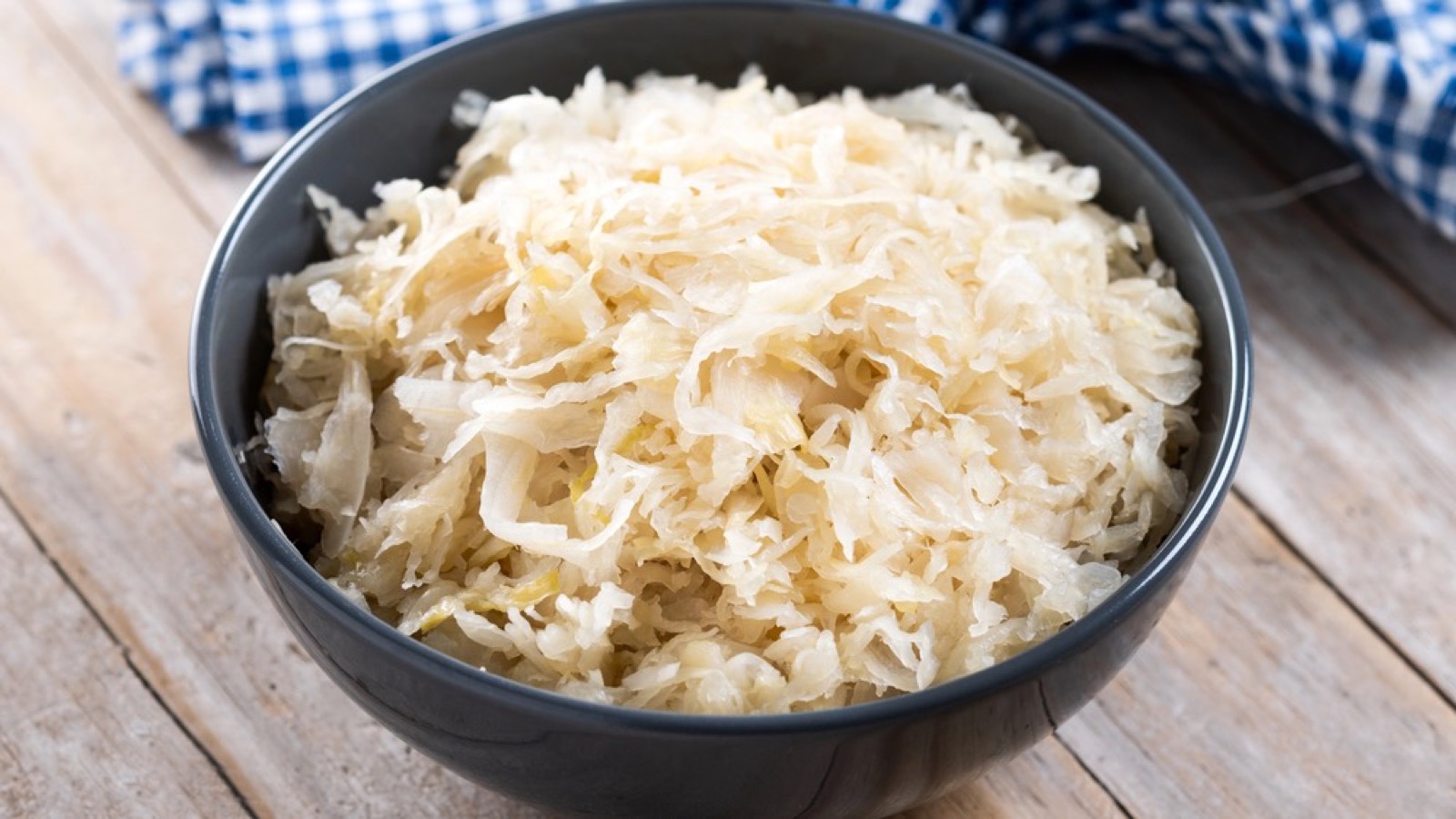
Fermented foods have become popular again for their probiotic content. Younger shoppers are buying refrigerated, raw sauerkraut and even making it at home. Many people now see it as a health food rather than just a hot dog topping.
Making sauerkraut at home requires only cabbage, salt, and patience. The cabbage is packed into a jar or crock and left to ferment for a few weeks. Many beginners are surprised by how easy it is and how much better it tastes than canned versions.
6. Buttermilk
Buttermilk was a staple in Southern kitchens. It was used in biscuits, pancakes, fried chicken, and cornbread. Many older Americans also remember drinking it, sometimes with crumbled cornbread in a glass.
Today, buttermilk is enjoying renewed interest among home bakers and cooks. It adds tang and tenderness to baked goods and marinades. Some people are even rediscovering it as a refreshing drink.
Cultured buttermilk sold in stores today is a little different from the old-fashioned kind left over from churning butter. Still, it works beautifully in baking and adds a pleasant tang. Many cooks keep a carton on hand just for biscuits and pancakes.
7. Liver
Liver and onions was once a regular dinner in many homes. It was cheap and considered highly nutritious. Many children dreaded it, but parents insisted it was good for them.
Today, organ meats are making a comeback among people interested in nutrient-dense foods. Liver is rich in iron, vitamin B12, and vitamin A. Some younger shoppers are buying it at butcher shops or even taking it in supplement form.
Because liver is so rich in vitamin A, it is best eaten in small amounts rather than every day. Many people now eat it once in a while, sautéed with onions or blended into pâté. It is a good example of how an old food can find a new audience.
8. Whole Milk
Whole milk was the standard in most American homes for decades. Milk was often delivered to the doorstep in glass bottles. As low-fat diets became popular, many families switched to skim or 2 percent milk.
Recently, whole milk has seen a revival as views on dietary fat have changed. Some younger people prefer it for its taste and texture. There has even been a national push to bring whole milk back to school cafeterias, which shows how much attitudes have changed.
Why Old Foods Become Interesting Again
Old foods often come back because they are affordable, nutritious, and nostalgic. Many younger people are looking for simple, less processed foods. They are finding that older generations had good reasons for eating the way they did.
Many old-school pantry ingredients are also making a quiet comeback. Some of these foods were once known as humble everyday foods and have now earned their fame. Which of these foods did you grow up eating?