Trump Announces Gaza Disarmament Deal With Hamas, But 3 Major Questions Could Decide Whether It Survives
President Donald Trump says a new Gaza agreement could push Hamas toward disarmament and create a pathway for Israeli forces to withdraw. Still, the ambitious plan faces major obstacles involving security, trust and the future of Palestinian leadership.
A potential turning point in the nearly three-year Gaza conflict emerged after Trump announced that an agreement had been reached for Hamas to disarm under a phased framework. The plan aims to combine weapons removal, an Israeli military pullback and the creation of a new Palestinian administration supported by international security forces.
However, the announcement does not mean the conflict is over or that Hamas has already surrendered its weapons. The agreement still depends on negotiations, verification measures and cooperation from parties that have spent decades locked in conflict.
The proposal involves a 20-point framework, multiple international actors and a timeline that could stretch close to one year before the most difficult parts, including dismantling military infrastructure and removing heavy weapons, are completed.
The biggest question now is whether a deal built between longtime enemies can survive the first major test of implementation.
A Gaza Deal Built Around Disarmament, Withdrawal and New Leadership
Trump presented the agreement as a carefully organized process designed to transform Gaza’s security and political structure.
The plan centers around three major goals: Hamas giving up its weapons and military capabilities, Israel gradually withdrawing its forces from Gaza, and a new Palestinian-led administration taking responsibility for civilian governance.
Trump said the International Stabilization Force would work alongside a new Palestinian police force to help create security conditions inside Gaza and support the transition away from Hamas control.
The announcement comes after months of difficult negotiations focused on one of the most complicated issues in the conflict: what happens to Hamas after the fighting ends.
For Israel, Hamas’ weapons represent an ongoing security threat. For Hamas, its military capabilities have long been central to its identity and influence in Gaza.
The conflict began after the Hamas-led attack on southern Israel on October 7, 2023, which killed around 1,200 people and resulted in 251 hostages being taken, according to Israeli officials.
Israel’s military response has caused widespread destruction across Gaza. Gaza health officials have reported more than 73,000 Palestinian deaths during the conflict, while millions of people have faced displacement, damaged infrastructure and severe humanitarian challenges.
The Most Difficult Phase Could Take Nearly a Year
Although Trump described the announcement as a breakthrough, the hardest part of the agreement may still be ahead.
U.S. officials have indicated that Hamas’ complete disarmament would happen gradually rather than immediately.
The early stages could involve Palestinian police units transferring weapons to a new Gaza administration. However, that step would represent only a small portion of the wider military structure that Hamas has built over many years.
The larger challenge involves removing rocket systems, destroying weapons production sites, dismantling tunnel networks and preventing armed groups from rebuilding their capabilities.
Officials have suggested that these deeper disarmament efforts could take between 200 and 350 days, meaning the process could continue for much of a year.
The timeline reflects the complexity of Gaza’s underground military infrastructure. Hamas has relied heavily on tunnels for movement, storage and operations, making verification one of the most difficult parts of any agreement.
A successful disarmament process would require international monitoring, detailed inspections and a system capable of proving that weapons have been permanently removed.
The presence of other armed groups in Gaza also complicates the challenge. Hamas is not the only faction with military capabilities, meaning a complete security transformation would require addressing multiple organizations.
Israel’s Main Concern: Security Must Come Before Withdrawal
While Trump announced the agreement as a major step forward, Israel’s position remains a key uncertainty.
Israeli officials have repeatedly argued that Gaza cannot become stable if Hamas or other armed groups retain military power.
The Israeli government has pushed for full demilitarization before allowing a complete withdrawal of its forces.
That position creates the central disagreement inside the agreement.
The Trump-backed framework appears to connect Israeli withdrawal with progress on disarmament. Israel, however, wants clear evidence that Hamas can no longer threaten its security before making major military concessions.
The disagreement comes down to timing.
Hamas has historically sought an end to Israeli military operations and a political transition. Israel has focused on preventing Hamas from rebuilding its military strength.
That difference has complicated previous negotiations and remains one of the biggest risks facing this agreement.
Trump has warned that all sides must follow through on their commitments, saying he would be deeply disappointed if the agreement collapses.
Still, enforcing the deal could prove extremely difficult. A single major attack, disputed weapons discovery or military confrontation could quickly test whether the agreement is strong enough to survive.
A New Palestinian Administration Could Replace Hamas Governance
A major part of the proposal involves creating a new Palestinian governing structure for Gaza.
The plan calls for a technocratic Palestinian administration to oversee civilian matters, rather than Hamas directly controlling government institutions.
The goal is to separate Gaza’s future from armed faction rule and create a government focused on rebuilding, public services and economic recovery.
However, the challenges facing any new administration would be enormous.
Gaza is home to more than 2 million people, many of whom have been displaced by the war and are living with damaged homes, destroyed neighborhoods and limited access to essential services.
A successful transition would require restoring hospitals, schools, roads, electricity systems, water networks and public safety institutions.
The rebuilding effort could require billions of dollars and years of international investment.
But reconstruction cannot fully begin without security. International donors and governments are unlikely to provide large-scale funding without confidence that another round of fighting will not destroy new projects.
That makes governance and security closely connected. A new Palestinian administration would need both political legitimacy and the ability to maintain order.
The International Stabilization Force Faces a Major Test
The proposed International Stabilization Force would serve as the security link between Israeli withdrawal and Palestinian control.
Its responsibilities could include protecting humanitarian operations, supporting Palestinian police, monitoring weapons agreements and helping prevent renewed fighting.
However, international security missions in conflict zones often face serious challenges.
The force would need clear authority, reliable funding, support from participating nations and protection from armed groups that may oppose its presence.
It would also need to avoid being seen by Palestinians as another outside power controlling Gaza.
For Israel, the question will be whether the force can prevent Hamas and other factions from rebuilding their military capabilities.
For Palestinians, the question will be whether the force helps create stability and allows daily life to return.
The success of the mission may depend on whether it can balance security demands with public trust.
Five Questions That Could Decide the Future of Gaza
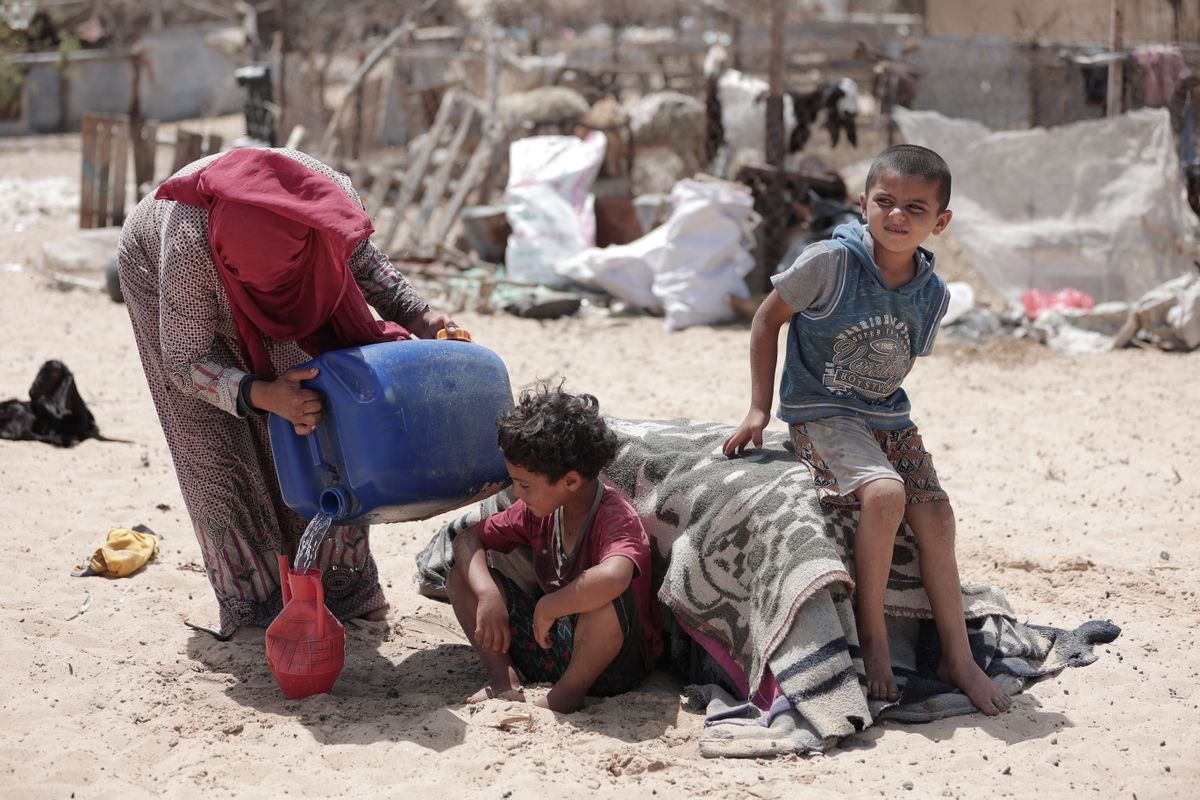
The agreement has created hope, but several unanswered questions will determine whether it succeeds.
The first question is whether Hamas will truly surrender its weapons. The organization has spent decades developing its military wing, and abandoning that capability would represent a historic shift.
The second question is whether Israel will withdraw before complete disarmament is achieved. Israel wants security guarantees, while Palestinian factions want visible progress toward ending Israeli military control.
The third question involves Gaza’s long-term leadership. A temporary administration may manage immediate needs, but the territory’s permanent political future remains unresolved.
The fourth question is whether international forces can maintain security without becoming another target in the conflict.
The fifth question is whether reconstruction can begin quickly enough to improve conditions for Gaza’s civilian population.
A Potential Turning Point, But Not Yet a Final Peace Agreement
Trump’s Gaza announcement represents one of the most significant diplomatic developments since the war began, but the agreement’s success will depend on actions rather than statements.
The numbers highlight the scale of the challenge. The plan involves a 20-point framework, a possible 350-day disarmament process, more than 2 million Gaza residents needing stability, and nearly three years of conflict that have reshaped the region.
The next phase will reveal whether this agreement becomes a genuine path toward ending the war or another temporary arrangement that eventually breaks down.
For now, the Gaza disarmament deal represents both opportunity and uncertainty. The roadmap exists, but the hardest steps remain ahead: removing weapons, building trust, creating legitimate leadership, and proving that a new chapter can replace years of conflict.