10 Things Boomers Say Were Better Before Smartphones
Smartphones have changed almost every part of modern life. They let us talk to anyone, anywhere, look up any fact in seconds, and carry thousands of photos, songs, and books in our pockets. For many people, it is hard to imagine life without them.
Baby boomers, however, remember a time before smartphones, and many of them miss it. They remember dinners without distractions, conversations without interruptions, and a slower pace of life. While boomers use smartphones too, many feel that something valuable was lost along the way.
Younger generations sometimes roll their eyes at these complaints, but boomers make some interesting points. Here are ten things boomers say were better before smartphones.
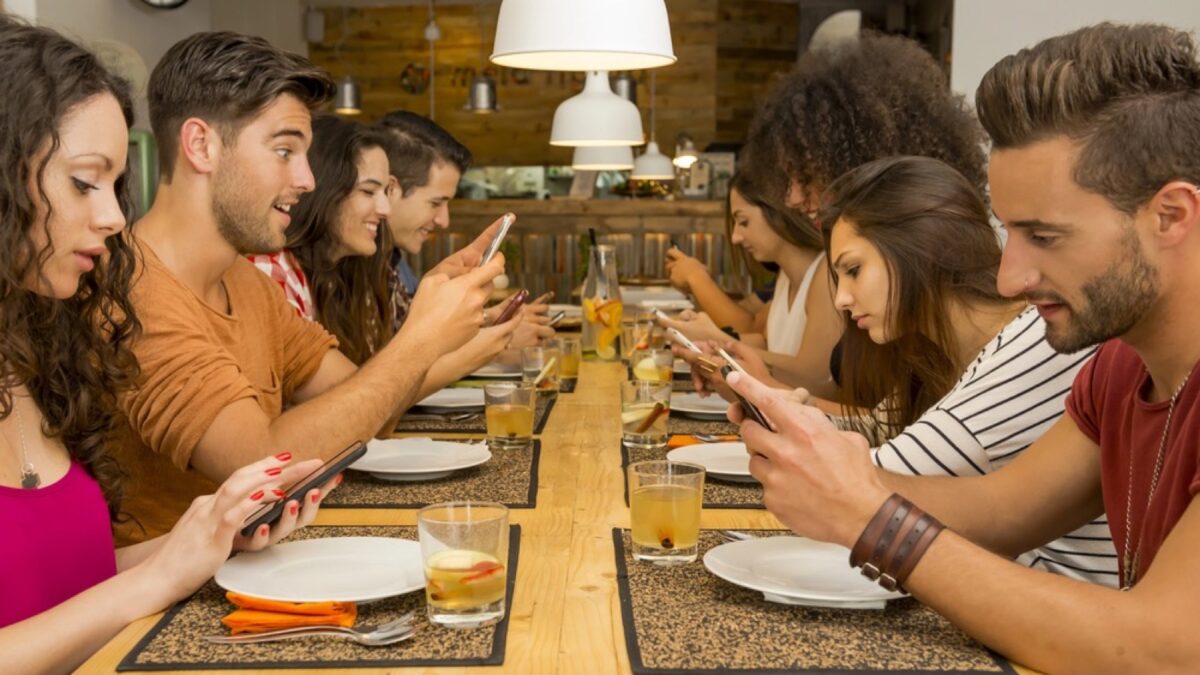
1. Family Dinners
Boomers remember family dinners as a time for conversation. Everyone sat at the table, shared stories about their day, and enjoyed each other’s company. There were no phones buzzing or screens lighting up.
Today, many families eat with phones on the table, checking messages and scrolling through social media. Boomers often say that dinner has lost its sense of connection. Many families are now trying phone-free meals to bring that connection back.
2. Face-to-Face Conversations
Before smartphones, people talked face to face or on the phone. They made eye contact, listened closely, and had long conversations. Communication felt more personal.
Today, much of our communication happens through texts and social media. Boomers often feel that people have become less comfortable with real conversations. They miss the warmth and depth of talking in person.
3. Being Fully Present
Boomers remember being able to enjoy moments without the urge to photograph or share them. They watched concerts, sunsets, and family events with their full attention.
Today, many people experience events through their phone screens, recording videos and taking photos. Boomers often say that people miss the moment while trying to capture it.
4. Kids Playing Outside
Many boomers spent their childhoods playing outside from morning until dinner. They rode bikes, built forts, played games with neighborhood kids, and used their imaginations. Parents often did not know exactly where they were.
Today, many children spend hours on screens. Boomers often worry that kids are missing out on outdoor play and creativity. Many parents are trying to limit screen time to encourage more active play.
5. Privacy
Before smartphones and social media, people had more privacy. Personal moments stayed personal, and mistakes were not broadcast to the world. People could share news with friends in their own time.
Today, many aspects of life are shared online, sometimes without people’s consent. Boomers often value the privacy they once had. Many are cautious about what they share online.
6. Handwritten Letters and Cards
Boomers grew up writing letters, sending postcards, and mailing greeting cards. Receiving a handwritten letter was exciting and meaningful. Many boomers still have boxes of letters from loved ones.
Today, most communication is digital and quick. Handwritten letters have become rare. Boomers often say that a text message cannot replace the personal touch of a handwritten note.
7. Remembering Phone Numbers
Before smartphones, people memorized the phone numbers of family and friends. Many boomers can still recite numbers they learned decades ago. Address books and phone directories were household essentials.
Today, most people rely on their phones to store contacts. Many cannot remember even their closest family members’ numbers. Boomers find this surprising and sometimes worrying.
8. Getting Lost and Finding Your Way
Boomers navigated with paper maps, road atlases, and directions from gas station attendants. Getting lost was sometimes part of the adventure. They learned to read maps and pay attention to landmarks.
Today, GPS apps guide people everywhere. While this is convenient, boomers say people have lost their sense of direction. They miss the adventure of figuring out where to go.
9. Patience and Waiting
Before smartphones, waiting in line or at a doctor’s office meant reading a magazine, chatting with others, or simply thinking. People were used to waiting and found ways to pass the time.
Today, many people fill every spare moment with their phones. Boomers often say that people have become less patient and more easily bored. They believe that some quiet time is good for the mind.
10. Boundaries Between Work and Home
Boomers remember when work stayed at work. Once they left the office, they were usually free until the next day. Weekends and vacations were truly time off.
Today, smartphones make it possible to check work emails at any hour. Many people feel they are always on call. Boomers often say that the line between work and personal life has become blurred.
Simple Ways to Unplug
Many families are finding ways to bring back some of the pre-smartphone experiences boomers miss. Phone-free dinners, screen-free Sundays, and device baskets by the front door can help people reconnect with each other. Some families even plan regular game nights or outdoor adventures without phones.
Turning off notifications can also reduce distractions. Many people find that checking their phones less often helps them feel calmer and more focused. Setting specific times for checking email and social media can create healthier boundaries.
Boomers can be great role models in this area. Many of them remember how to enjoy a quiet evening with a book, a long phone call with a friend, or a walk without headphones. Sharing those experiences with younger family members can be a gift. Some of the most common phone habits can quietly hurt relationships, so small changes can make a real difference. Looking back at the household items of the past can also be a fun reminder of how much life has changed.
Finding Balance
Smartphones have brought many benefits, including easier communication, instant information, and convenience. But boomers raise valid points about what may have been lost. Research has explored how heavy phone use can affect attention, sleep, and relationships, as the Pew Research Center has tracked in its studies of mobile phone use.
Try putting the phone down for one evening this week. You might be surprised by how much you enjoy the quiet, just as boomers remember.