8 Baking Secrets Grandma Never Wrote Down
Anyone who has tried to recreate Grandma’s pie crust or biscuits from her handwritten recipe card knows the frustration. You follow every line exactly, and the result still is not quite right. The texture is off, the crust is tough, or the cake does not rise the way hers did.
That is because many of Grandma’s most important baking tricks were never written down. She learned them by watching her own mother, by trial and error, and by decades of practice in a kitchen without timers that beeped or ovens that held a perfect temperature. To her, these steps were so obvious they did not need to be recorded.
Food scientists and test kitchens have since explained why many of those old habits work. Here are eight baking secrets Grandma rarely put on paper, and why they still make a difference today.
1. Keep the Fat Ice Cold for Flaky Crusts
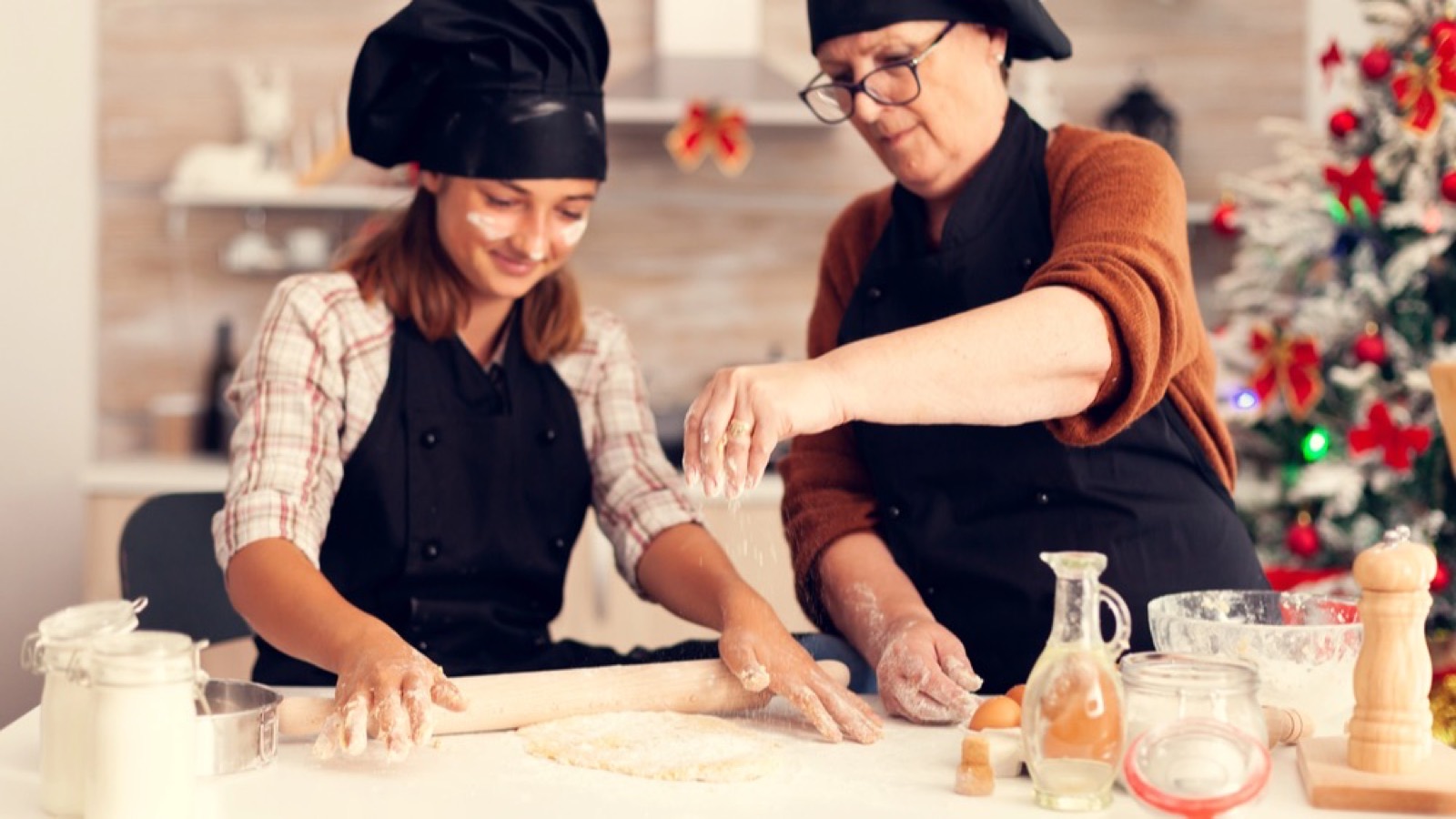
Grandma’s pie crusts were famously flaky, and the secret was cold fat. She kept her lard or butter in the icebox until the last possible moment, and she often used ice water to bring the dough together. Some grandmothers even chilled their bowl and pastry cutter.
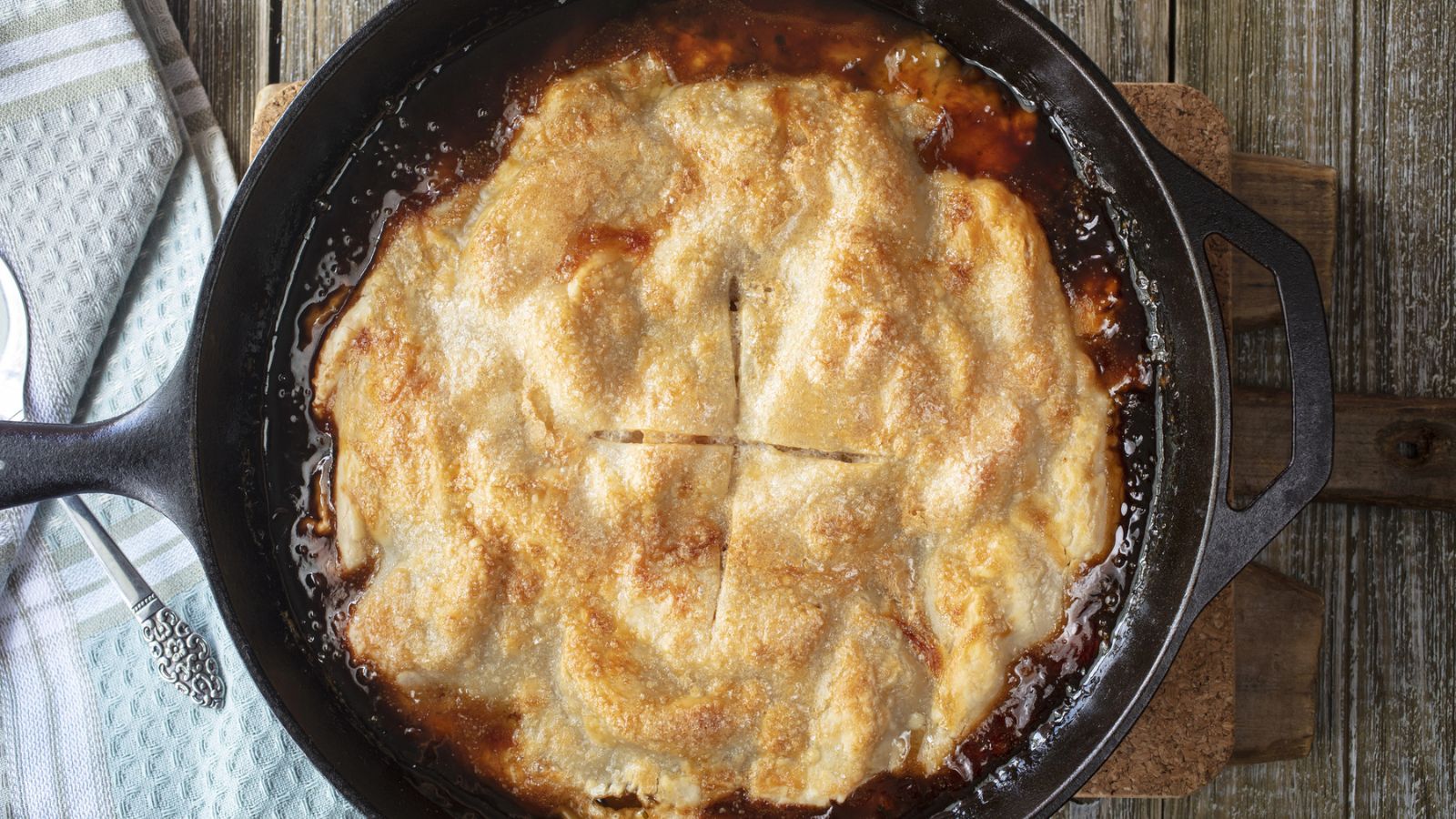
The science is simple. When small pieces of cold fat stay solid in the dough, they melt in the oven and release steam, which creates the flaky layers. If the fat gets warm and blends into the flour, the crust turns out dense and tough.
Many grandmothers also handled the dough as little as possible. Warm hands could melt the fat, so they worked quickly and lightly.
2. Use Lard for Pie Crust
Many older recipes call for lard, and Grandma had good reasons for using it. Lard produces an especially tender, flaky crust, and it was cheap and widely available on farms in the early twentieth century. Many families rendered their own after hog butchering.
Lard fell out of favor in the mid-twentieth century as vegetable shortening and butter became more popular, partly because of changing views on saturated fat. But many bakers today still swear by lard, or a mix of lard and butter, for the best pie crust.
If Grandma’s crust tasted better than yours, there is a good chance lard was the reason. It was one of the most common things Grandma always found a second use for, from frying to baking.
3. Don’t Overmix the Batter
Grandma knew that muffins, biscuits, and quick breads needed a gentle hand. She stirred the batter just until the flour disappeared, leaving a few lumps behind. She never beat it smooth.
Overmixing develops the gluten in flour, which makes baked goods tough and chewy. That is good for yeast bread, but bad for tender muffins and pancakes. A lumpy batter bakes into a light, soft crumb.
This is why many grandmothers mixed by hand with a wooden spoon. They could feel when the batter was ready. Electric mixers made it easier to overdo it.
4. Let Ingredients Come to Room Temperature
For cakes and cookies, Grandma often left her butter and eggs on the counter for an hour before baking. She did not need a recipe to tell her to do this. She simply knew that cakes turned out better that way.
Room-temperature butter traps air when it is creamed with sugar, which helps cakes rise. Cold eggs can cause the butter to seize and curdle the batter. Warmer ingredients blend more smoothly and bake more evenly.
Modern test kitchens like King Arthur Baking explain this step in detail. Grandma just knew it from experience.
5. Weigh or Spoon the Flour Carefully
Many old recipes simply say “two cups of flour,” but Grandma knew that how you fill the cup matters. Scooping the cup straight into the flour bag packs it down and adds too much. Many careful bakers of her generation spooned flour into the cup and leveled it off with a knife.
Too much flour is one of the most common reasons baked goods turn out dry or dense. A cup of flour can vary by several tablespoons depending on how it is measured. Some grandmothers who learned to bake in Europe weighed their flour instead.
If your cookies come out like hockey pucks, check how you are measuring the flour. It may be the difference between dry and perfect.
6. Add a Little Vinegar or Buttermilk
Many old recipes for biscuits, pancakes, and cakes call for buttermilk or sour milk. When Grandma did not have buttermilk, she stirred a spoonful of vinegar or lemon juice into regular milk and let it sit for a few minutes. That was her homemade substitute.
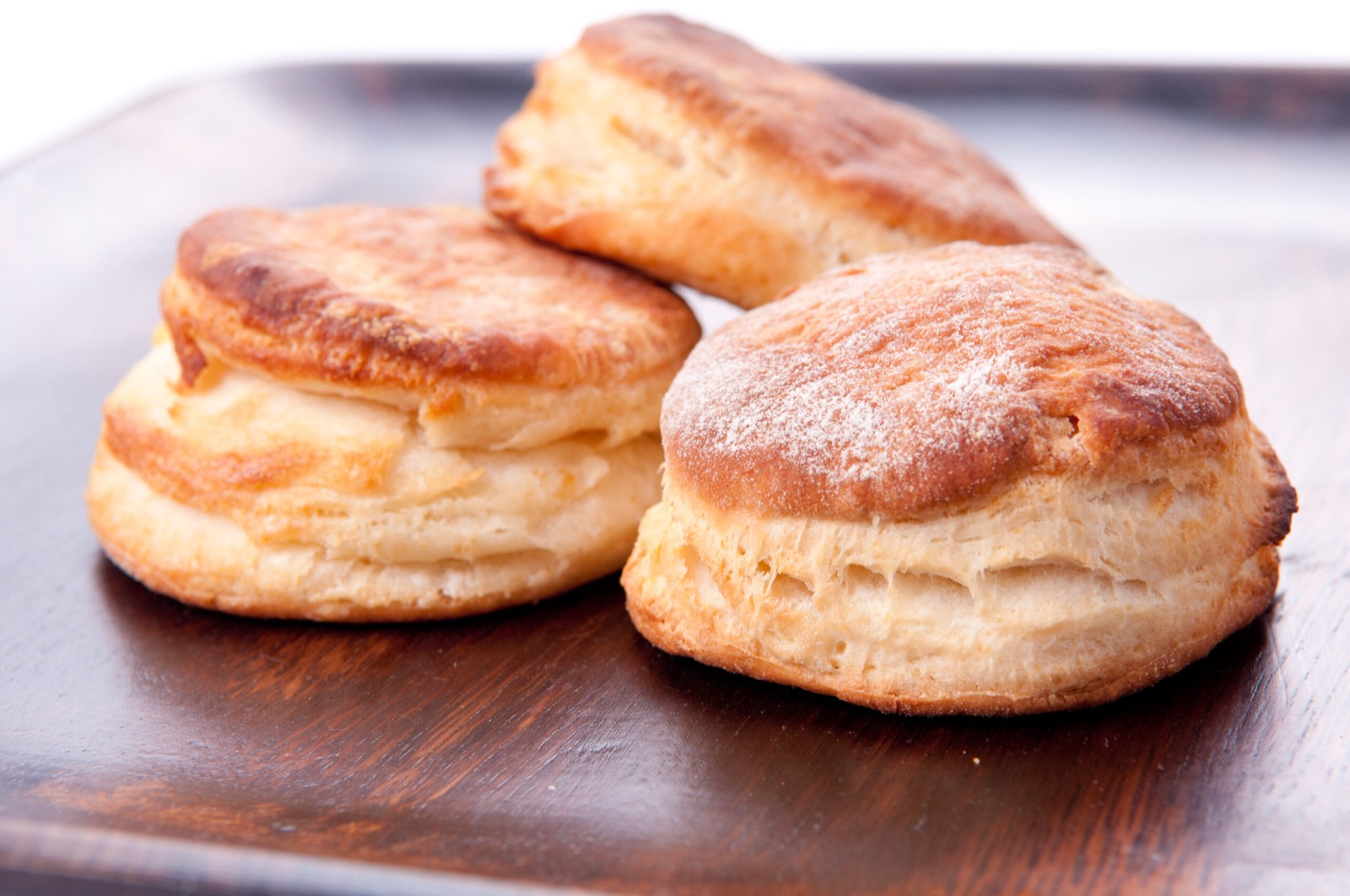
The acid in buttermilk reacts with baking soda to create carbon dioxide bubbles, which help baked goods rise. It also adds a gentle tang and tenderizes the crumb. Some grandmothers even added a splash of vinegar to pie crust dough to make it more tender.
This trick is still used by many bakers today. It is one of the clever kitchen tricks for home cooks that never goes out of style.
7. Know Your Oven
Grandma’s oven was often unpredictable. Older ovens, especially wood-burning or early gas models, did not have accurate thermostats. She learned where the hot spots were and turned her pans halfway through baking.
Some grandmothers tested the heat by holding a hand inside the oven or by putting a little flour on a pan and watching how quickly it browned. Many still kept an oven thermometer on the rack long after modern stoves arrived.
Today’s ovens are more reliable, but many still run hot or cold. An inexpensive thermometer can reveal whether yours is off by 25 degrees or more, which can make a big difference in baking.
8. Rest the Dough
Grandma rarely rushed her dough. She let pie dough rest in the icebox for at least an hour before rolling it out. She let bread dough rise slowly in a warm corner of the kitchen. Some cookie doughs went into the refrigerator overnight.
Resting dough allows the flour to fully absorb the liquid and gives the gluten time to relax. Pie dough rolls out more easily and shrinks less in the oven. Chilled cookie dough spreads less and develops deeper flavor.
This patience is one of the hardest secrets to copy in a busy modern kitchen. But many bakers say it is the single biggest difference between good results and great ones.
Why These Secrets Were Rarely Written Down
Most grandmothers did not think of these steps as secrets. They were simply the way baking was done. Recipes were often written as reminders for someone who already knew how to cook, not as detailed instructions for beginners.
Many recipe cards list ingredients with no directions at all, or with notes like “bake until done” or “add flour until it feels right.” Younger bakers who inherit those cards often have to learn the missing steps the hard way. It is one reason so many families treasure the foods boomers loved growing up but struggle to recreate them.
Keeping the Knowledge Alive
The best way to preserve Grandma’s baking secrets is to bake with someone who learned them firsthand. Many families now record videos of older relatives making their signature pies and cakes, capturing every small step and pinch.
If you are lucky enough to still have a grandmother or great-aunt who bakes, ask her to show you how she does it. The secrets she never wrote down may be the most valuable part of her recipes.
Which baking secret did your grandmother swear by, and have you ever managed to make her recipe taste exactly the same? Many readers say they are still trying.