10 Reasons Florida Has Become America’s Worst State for Renters
Florida used to feel like the place where Americans could stretch a paycheck, chase better weather, and build a life that felt lighter than the one they left behind. Now, for millions of renters, the Sunshine State has become a monthly financial fight. A new ConsumerAffairs report ranked Florida as the worst state for renters, and the numbers explain why so many people feel trapped. Rent has climbed sharply, wages have not kept pace, and many households are spending far more than the recommended share of income just to keep a roof over their heads.
This is not just a Miami problem. It is not only about beach towns, luxury apartments, or people moving in from out of state. Florida’s rental crisis now affects workers, seniors, young families, service employees, and longtime residents as the state they love becomes harder to afford.
Here are some reasons Florida has become America’s worst state for renters
Rent Is Eating Too Much of the Average Paycheck

Florida renters are spending a painful share of their income on housing. Consumer Affairs found that the typical renter in the state spends 37.4% of income on rent, which is well above the common affordability guideline of 30%.
That gap may sound small on paper, but it can quickly change daily life. Once rent takes too much of the paycheck, everything else becomes harder to manage, from groceries and gas to insurance, childcare, phone bills, and medical costs.
For many renters, the problem is not careless spending. The problem is that rent has become the first bill that swallows the rest of the month before it even begins.
Florida’s Rent Jump Has Been Brutal
The University of Florida’s Shimberg Center reported that Florida’s median gross rent rose from $1,238 in 2019 to $1,719 in 2023. That is a jump of nearly $500 a month in just a few years.
For a household already living close to the edge, that kind of increase can feel impossible. It can wipe out savings, force people to move, delay medical care, or push families into taking on credit card debt just to survive.
Rent increases do not hit renters once. They follow them every month, turning one lease renewal into a yearlong financial burden.
Working People Are Still Falling Behind

One of the most frustrating parts of Florida’s rental crisis is that many struggling renters are employed. They are not sitting outside the economy. They are working inside it, often in jobs the state depends on every day.
Teachers, hotel workers, nurses, grocery clerks, caregivers, restaurant workers, delivery drivers, and public employees all need housing near the communities they serve. But when rent rises faster than wages, steady work stops feeling like stability.
That is when the crisis becomes bigger than housing. It becomes a workforce problem because a state cannot function if the people who keep it running cannot afford to live there.
Seniors Are Being Cornered by Rising Costs
Florida has long been a retirement destination, but older renters are also feeling the pressure. Many seniors live on fixed incomes, so rent hikes can hit them harder than younger households with greater earning flexibility.
A senior renter cannot always pick up extra shifts, move in with multiple roommates, or relocate quickly for a better job. They may need to stay close to doctors, family, transportation, or familiar community support.
When rent rises too fast, older renters face a cruel choice. They can cut essentials, move away from their support network, or stay in housing that becomes more stressful every year.
The Crisis Is Spreading Beyond Big Cities
It is easy to blame Florida’s rent crisis on Miami, Orlando, Tampa, or other high-demand areas. Those cities are part of the story, but they are no longer the whole story.
Rent pressure has spread into mid-sized cities, smaller communities, and inland areas that once felt like affordable alternatives. That matters because renters used to have escape routes when one city became too expensive.
Now, those escape routes are shrinking. If a family gets priced out of a major metro area but cannot find relief in nearby counties, the whole state starts to feel financially closed off.
Population Growth Has Made Competition Worse
Florida’s population boom has brought new energy, new money, and new demand. But that demand has also pushed renters into fiercer competition for homes and apartments.
People moving from more expensive states may be able to pay higher rents than longtime residents. Landlords and property managers then adjust to what the market can bear, even if local workers cannot keep up.
That is the uncomfortable side of growth. A state can attract new residents while quietly pricing out the people who were already holding its communities together.
New Apartments Are Not Always Affordable Apartments
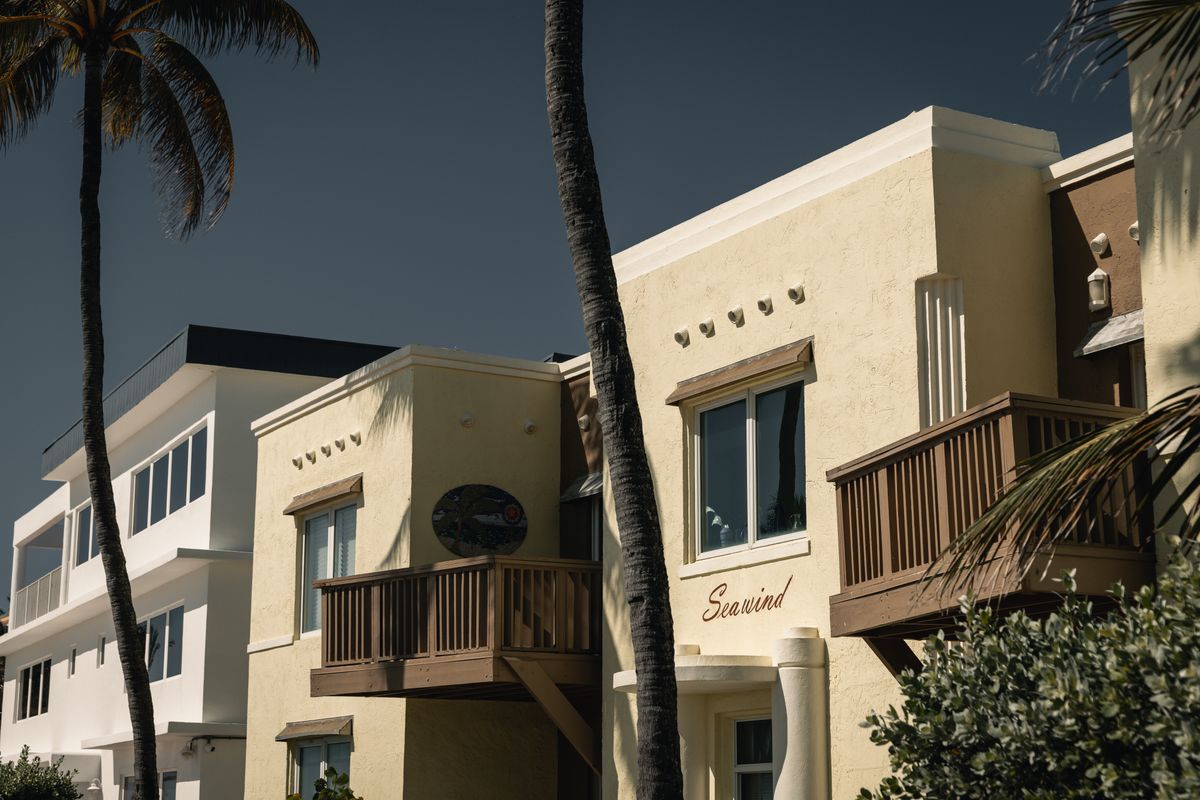
Florida has added multifamily housing, but new construction does not automatically solve affordability. If new units are priced for higher-income renters, they may do little to help workers who need moderate- or low-cost housing.
A city can have cranes in the sky and still have families struggling to find a place they can afford. More buildings do not always mean more relief for the people under the most pressure.
This is why the details matter. Florida does not just need more housing. It needs more housing that matches real local wages, not just glossy development plans.
Weak Tenant Protections Leave Renters Exposed
Florida’s ranking was not based only on high rent. ConsumerAffairs also pointed to weak tenant protections, which can make renters feel even more vulnerable in an already expensive market.
When renters have limited protection, a lease renewal can feel like a gamble. A sudden increase, added fees, or unstable housing situation can push a household into crisis with little warning.
This does not mean every landlord is doing something wrong. Some landlords are facing higher costs, too. But when the balance of power tilts too far away from renters, affordability becomes even harder to manage.
Eviction Can Damage a Family for Years
When rent becomes impossible, eviction becomes the fear sitting in the background. It is not just about losing one apartment. An eviction record can make it harder to find the next one.
That creates a punishing cycle. A renter may fall behind due to an emergency, such as a medical bill, job loss, or a rent hike. But the consequences can follow them through future housing applications.
That is why rental assistance, legal aid, and eviction diversion matter. They can stop a temporary setback from becoming a long-term housing disaster.
High Rent Is Blocking the Path to Homeownership
For many Florida renters, homeownership feels further away than ever. Rent already takes such a large share of income that saving for a down payment becomes almost impossible.
This is where the crisis becomes generational. Renters are paying thousands of dollars a year to stay housed, but they are not building equity, gaining ownership, or creating long-term wealth.
Meanwhile, homeowners may benefit from rising property values. That widens the gap between people who already own and people trying to get their first chance.