The Packaged Food Trap Scientists Say May Be Quietly Cutting Lives Short
The danger in many modern diets does not always appear as a greasy burger or a sugar-loaded soda. Sometimes it comes dressed as a breakfast bar, a flavored yogurt, a frozen dinner, a boxed snack, or a sandwich wrapped so neatly it feels almost harmless. That is why ultra-processed foods have become such a difficult health problem. They do not just sit in the junk-food aisle anymore. They have moved into lunchboxes, office drawers, vending machines, family freezers, and even products marketed as healthy shortcuts.
Scientists are now warning that diets heavy in ultra-processed foods may be linked to a higher risk of early death. The concern is not based on a single dramatic headline or an isolated study. It is part of a growing body of research suggesting that the more these foods dominate daily calorie intake, the higher the risk of serious long-term health problems.
The message is not that a single packet of chips or a single frozen pizza will destroy your body. The real worry is what happens when these foods stop being occasional convenience and become the foundation of everyday eating.
What Ultra-Processed Foods Really Mean

Not all processed food is bad. Frozen vegetables, canned beans, pasteurized milk, cheese, bread, and olive oil can all involve processing. Processing simply means food has been changed from its original state in some way. Ultra-processing goes much further.
Ultra-processed foods are usually industrial products made with ingredients most people would not use in a home kitchen. They often contain additives, emulsifiers, artificial flavors, sweeteners, colorings, preservatives, refined starches, hydrogenated oils, or protein isolates. They are designed to last longer, taste stronger, feel smoother, cook faster, and keep people coming back.
That is why a homemade soup and an instant noodle packet are not the same kind of food, even if both are “processed.” One is built from recognizable ingredients. The other is built for speed, shelf life, and repeat consumption.
Why Scientists Are Paying Closer Attention
A major international study looked at ultra-processed food consumption across eight countries and found a concerning pattern. As the share of ultra-processed foods in the diet increased, the risk of death from all causes also rose. Researchers estimated that every 10 percent increase in calories from ultra-processed foods was linked with about a 3 percent increase in all-cause mortality risk.
That number may sound small at first, but public health risks grow powerful when they affect millions of people. A single person swapping fresh meals for packaged food may not notice anything overnight. But across a whole country, a daily pattern of ultra-processed eating can translate into a heavy burden of disease.
The United States stands out because ultra-processed foods account for a large share of the national diet. For many Americans, these products are not treats. They are breakfast, lunch, dinner, snacks, and drinks.
The Problem Is More Than Sugar and Salt
For years, nutrition advice focused mainly on calories, sugar, salt, and fat. Those things still matter. Many ultra-processed foods are loaded with added sugar, sodium, unhealthy fats, and refined carbohydrates. But researchers are increasingly asking whether the processing itself may add another layer of risk.
Ultra-processed foods are often soft, easy to chew, and quick to eat. That can make it easier to consume more calories before the body has time to feel full. They are also often low in fiber, which matters because fiber helps digestion, supports gut bacteria, and slows the rush of sugar into the bloodstream.
Then there are the additives. Scientists are still studying how emulsifiers, artificial sweeteners, flavor enhancers, and other industrial ingredients may affect the gut, inflammation, metabolism, and appetite. The research is not finished, but the concern is growing.
In plain language, the issue is not just what these foods contain. It is also what they replace. Every meal built around packaged snacks, sugary drinks, and ready-to-heat products is often lower in vegetables, beans, fruits, whole grains, nuts, and fresh proteins.
Everyday Foods That Can Fool People

One reason ultra-processed foods are so hard to avoid is that many do not look obviously unhealthy. People expect soda, candy, and chips to be questionable. But the line becomes blurry with breakfast cereals, protein bars, flavored yogurts, packaged breads, plant-based meat substitutes, low-fat desserts, instant oatmeal, frozen meals, and “healthy” snack packs.
A product can look clean, modern, and nutritious on the front of the package while telling a different story on the ingredient list. Words like “natural,” “high protein,” “fortified,” “low sugar,” or “whole grain” do not automatically mean a food is minimally processed.
A useful trick is to ask one simple question: could most of these ingredients be found in a normal kitchen? If the answer is no, the food may be ultra-processed. A long list of unfamiliar additives does not always mean danger, but it should make people pause.
The supermarket has become very good at making industrial food look like wellness.
Why Convenience Keeps Winning
It is too easy to blame people for eating these foods. The reality is more complicated. Ultra-processed products are cheap, fast, available, heavily advertised, and built for busy lives. For parents rushing from work to school pickup, workers with short breaks, students on tight budgets, and people living far from fresh food stores, convenience can become a matter of survival.
That is why the problem is bigger than willpower. People are not simply making poor choices in a perfect food environment. They are making choices inside a system where the easiest food is often the least nourishing.
Food companies know this. They design products to be craveable, affordable, portable, and emotionally comforting. The crunch, sweetness, saltiness, softness, and smell are not accidents. They are part of the product.
This is what makes ultra-processed foods so powerful. They do not just feed hunger. They compete for habit.
What People Can Do Without Panicking
The goal should not be food fear. Fear makes people either overreact or give up. A smarter approach is reduction, not perfection. People can start by replacing one ultra-processed item a day with something simpler.
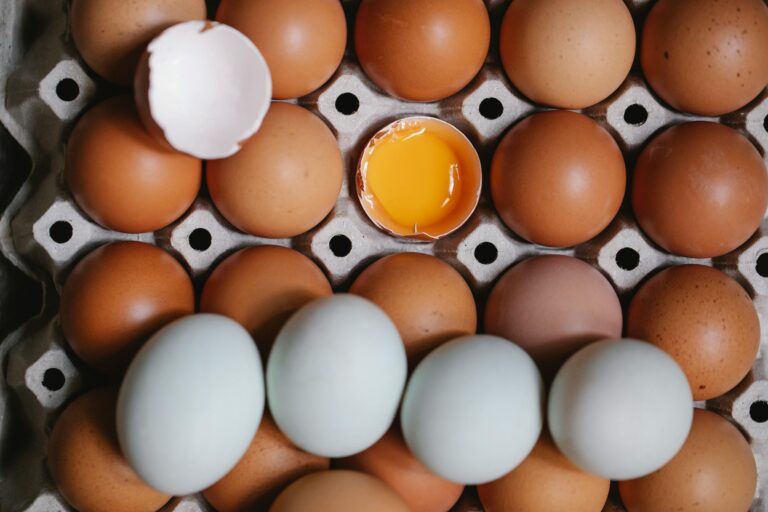
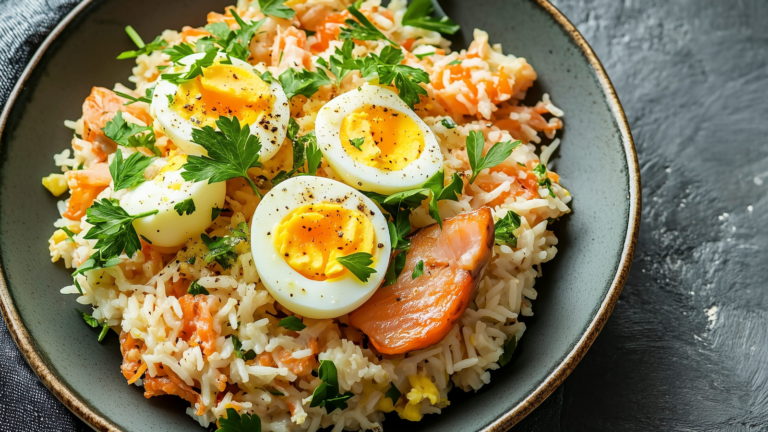
Swap soda for water, sparkling water, or unsweetened tea. Replace sweet snacks with fruit, nuts, boiled eggs, or plain yogurt with real fruit. Use oats instead of sugary cereal. Cook a pot of rice, beans, or soup that can stretch across several meals. Choose packaged foods with shorter ingredient lists when fresh options are not realistic.
The best diet is not the one that looks perfect online. It is the one thing a person can actually repeat. Small changes matter because ultra-processed foods become dangerous mainly through repetition. The body can handle occasional convenience. What it struggles with is a daily flood of products designed to override fullness and replace real meals.
The Bigger Public Health Question
This issue is not just about individual shopping carts. If ultra-processed foods are tied to higher risks of heart disease, diabetes, obesity, depression, and early death, then governments, schools, hospitals, and food companies all have a role to play.
Clearer labeling could help people understand what they are buying. Better school meals could help protect children from developing ultra-processed food habits early on. Restrictions on marketing to kids could reduce pressure on families. Public health campaigns could explain the difference between processed and ultra-processed foods without confusing or shaming people.
The food environment has changed over the decades. It will not be fixed by telling everyone to “just cook more” while ignoring time, wages, advertising, and access.