Only Boomers Will Remember Eating These 9 Foods Straight From the Can
There was a time in America when a can opener was the most important tool in the kitchen drawer. Canned food was modern, cheap, and safe, and it meant a hungry kid could have lunch ready in about thirty seconds. Many boomers can still hear the sound of the opener biting into the lid and the little pop of air that followed.
What younger people find hard to believe is how often those cans never went near a pot. Plenty of boomers ate their canned favorites cold, standing at the counter, sitting on the tailgate of the family station wagon, or crouched around a campfire with a spoon in hand. Nobody thought twice about it, and for many, those meals tasted like freedom.
Some of these foods are still on store shelves today, while others have become harder to find or faded into the back of the aisle. Each one, though, carries memories of a time when dinner could come straight out of the can and still feel like a treat.
1. Vienna Sausages
Those little tubes of meat packed tightly into a short can were a favorite snack for generations of kids. You peeled back the lid, fished out the first sausage with your fingers, and the rest slid out much more easily. Many boomers ate them straight from the can on fishing trips, at baseball games, or after school.
Libby’s and Armour both sold canned Vienna sausages for decades, and they were cheap enough that a kid with a little allowance could buy one at the corner store. They are still sold today, often in multipacks, and they remain a popular pick for hunting camps and emergency kits.
2. Spam
Hormel introduced Spam in 1937, and it became one of the most famous canned foods in the world. During World War II, millions of pounds were shipped to American and Allied troops, and many soldiers came home with strong feelings about it, good and bad.
For boomer families, Spam was a dependable dinner that could be sliced and fried, baked with a glaze, or eaten cold on bread. Plenty of kids simply cut a slab off the block and ate it as it was. Spam is still sold in many flavors today, and it remains hugely popular in Hawaii, where it shows up in everything from breakfast plates to Spam musubi.
3. Van Camp’s Beanee Weenee
Beanee Weenee combined two things kids loved: sweet baked beans and sliced hot dogs, in one small can. It was the kind of lunch a child could make without any help, and many boomers remember eating it cold with a spoon when nobody was around to heat it up.
The small cans fit neatly into lunch pails and camping packs. Beanee Weenee is still on the shelves, and the brand has added other versions over the years. For many people, though, the original in its simple can is the one that brings back childhood.
4. Chef Boyardee Ravioli
Ettore Boiardi was an Italian immigrant chef who ran a popular restaurant in Cleveland. Customers kept asking for his sauce to take home, so he started packaging it. By the late 1920s, he was canning meals, and he spelled his name “Boy-ar-dee” on the label so Americans could say it correctly.
His company supplied canned rations to the military during World War II, and after the war, canned ravioli, Beefaroni, and spaghetti and meatballs became staples in boomer homes. Many kids ate the ravioli cold from the can, which some still insist is the best way to enjoy it. The brand is still sold today, with the chef’s smiling face on the label.
5. SpaghettiOs
Franco-American, which was owned by Campbell’s, introduced SpaghettiOs in 1965. The pasta came in little rings so kids could eat it with a spoon without making a mess. The jingle, “Uh-oh, SpaghettiOs,” became one of the catchiest of the era.
The man behind the product, Donald Goerke, was later nicknamed “Mr. SpaghettiO.” For many younger boomers and Gen Xers, a cold can of SpaghettiOs eaten with a spoon was a perfectly good after-school snack. The product is still sold, though it now carries the Campbell’s name instead of Franco-American.
6. Fruit Cocktail
Canned fruit cocktail was developed by California canners in the 1930s as a way to use smaller pieces of peaches, pears, and other fruit. It came in heavy syrup, and the prize in every can was the handful of bright red cherry halves that every kid fought over.
Moms served it in little glass dishes, mixed it into gelatin salads, and put it in lunch boxes. Plenty of kids simply drank the sweet syrup straight from the can when the fruit was gone. Fruit cocktail is still sold today, though many brands now pack it in lighter syrup or juice.
7. Underwood Deviled Ham
The little white can wrapped in paper with a red devil on it has been around since the 1800s. Underwood registered its devil logo in 1870, and the company says it is one of the oldest food trademarks still in use in the United States.
Deviled ham was finely ground, seasoned ham that could be spread on crackers or bread. Many boomers remember their fathers eating it right out of the can with saltines during fishing trips or late-night snacks. It is still sold today, though it is more often found in the canned meat section of older grocery stores than in younger shoppers’ carts.
8. Sardines
For a lot of boomer dads and grandfathers, a tin of sardines and a sleeve of crackers was a perfect lunch. You pulled back the key-wound lid, and the oily little fish were ready to eat. Kids either loved them or ran from the room.
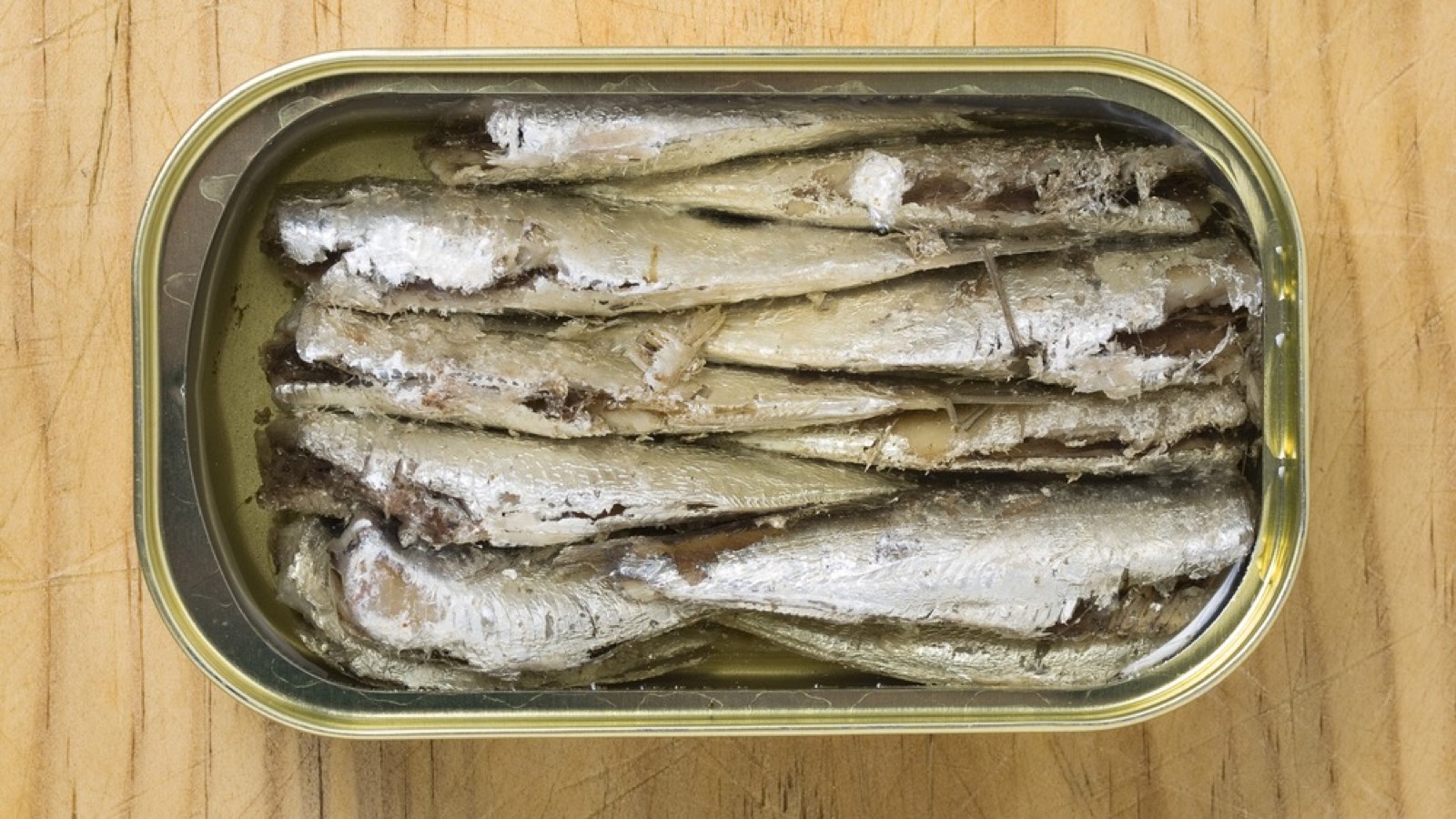
Maine was once home to dozens of sardine canneries along its coast. The last one, the Stinson plant in Prospect Harbor, closed in 2010, ending a long chapter of American history. Sardines are still widely sold, mostly imported, and nutritionists now praise them for their omega-3 fats and calcium.
9. Canned Brown Bread
This one surprises younger people the most. B&M, the New England company famous for its baked beans, sells brown bread in a can, a dense, slightly sweet loaf made with molasses, often studded with raisins. You opened both ends of the can and pushed the loaf out in one round piece.
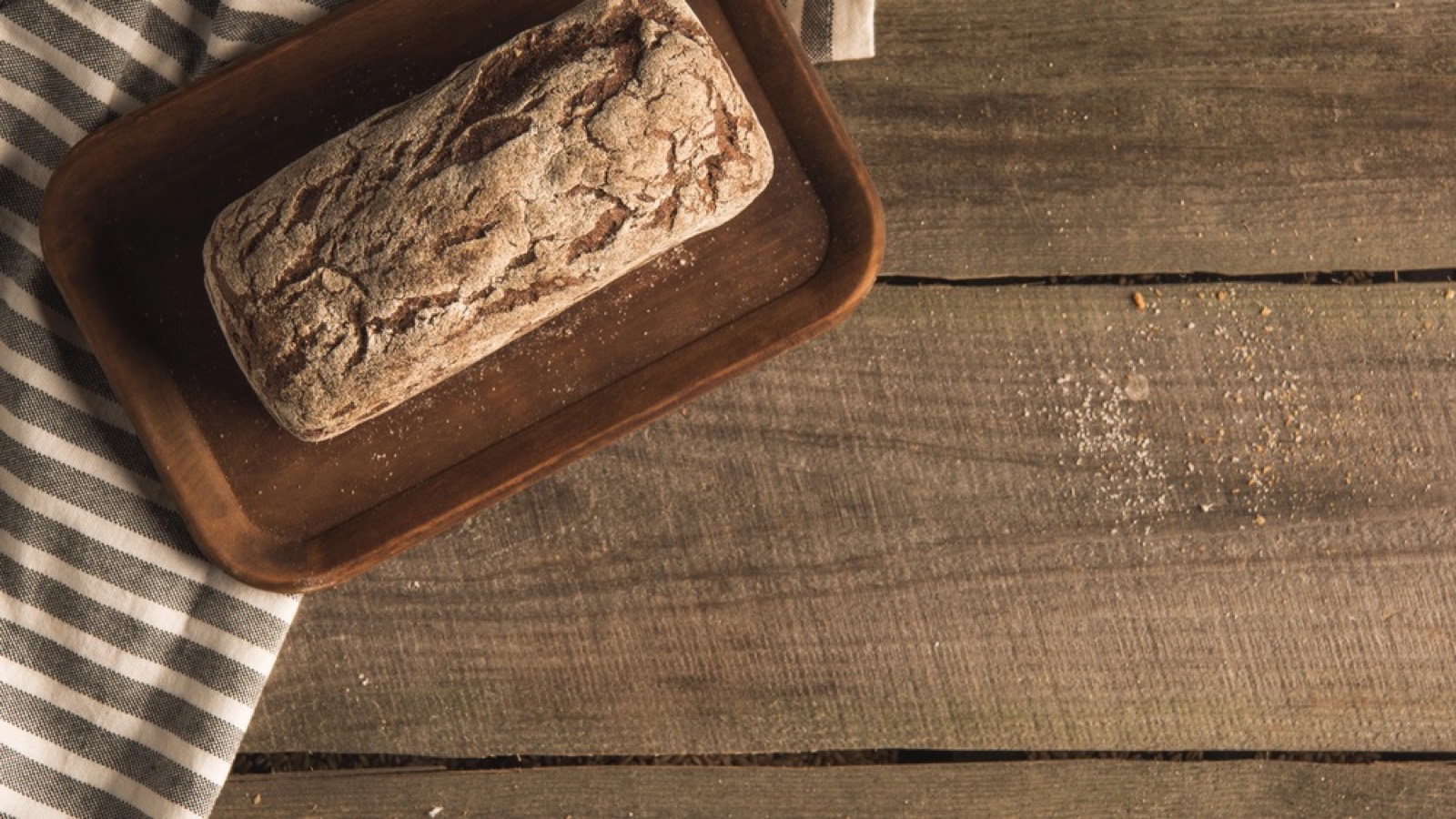
In New England, brown bread was a classic Saturday night supper alongside baked beans and hot dogs. Some families sliced it and spread it with butter or cream cheese, while others ate it right from the can. It is still sold, though you may have to look hard to find it outside the Northeast.
Why Canned Food Ruled Boomer Kitchens
After World War II, canned foods were seen as clean, modern, and convenient. Many mothers worked hard to feed big families, and a pantry full of cans meant there was always something ready. Supermarkets were growing fast, and canned goods filled entire aisles.
Canning also kept food safe for a long time without refrigeration, which mattered at campgrounds, cabins, and on long road trips. The USDA still explains how canned foods stay safe for long periods when cans are kept in good condition. Many boomers grew up with parents who had lived through the Depression, and those parents kept their shelves well stocked, much like the families in these foods Americans ate to get through the Great Depression.
Why People Still Love Them
Most of these foods are still around, and many boomers still keep a few cans in the pantry. They are cheap, they last a long time, and they bring back memories of simpler days. A can of Vienna sausages on a fishing trip can taste just as good at 70 as it did at 10.
Some people buy them for emergency kits or hunting trips, while others simply enjoy a little taste of the past. These cans sit alongside many of the foods most boomers loved with a passion, and they show how much the way we eat has changed.
Which of these did you eat straight from the can as a kid, and would you still eat it that way today? Many readers say a cold can of SpaghettiOs still beats anything on a fancy menu.