7 Discontinued Foods That Were Pulled for Surprising Reasons
Most foods disappear from store shelves for boring reasons. Sales slow down, a company decides to focus on bigger brands, or a new flavor takes over the spot. Shoppers grumble for a while, and life goes on.
But some foods vanished for reasons that nobody saw coming. A government ban, a strange rumor, a factory that couldn’t keep up, or a marketing idea that confused everyone has taken beloved products off the shelves almost overnight. In a few cases, the product itself wasn’t even the problem. Here are seven foods and drinks that were pulled, changed, or discontinued for surprising reasons, and what happened after they were gone.
1. Red M&M’s
In 1976, Mars removed red M&M’s from the famous candy mix. At the time, the government was investigating a food coloring called Red Dye No. 2, which had been linked to health concerns in studies. The FDA banned that dye in 1976.
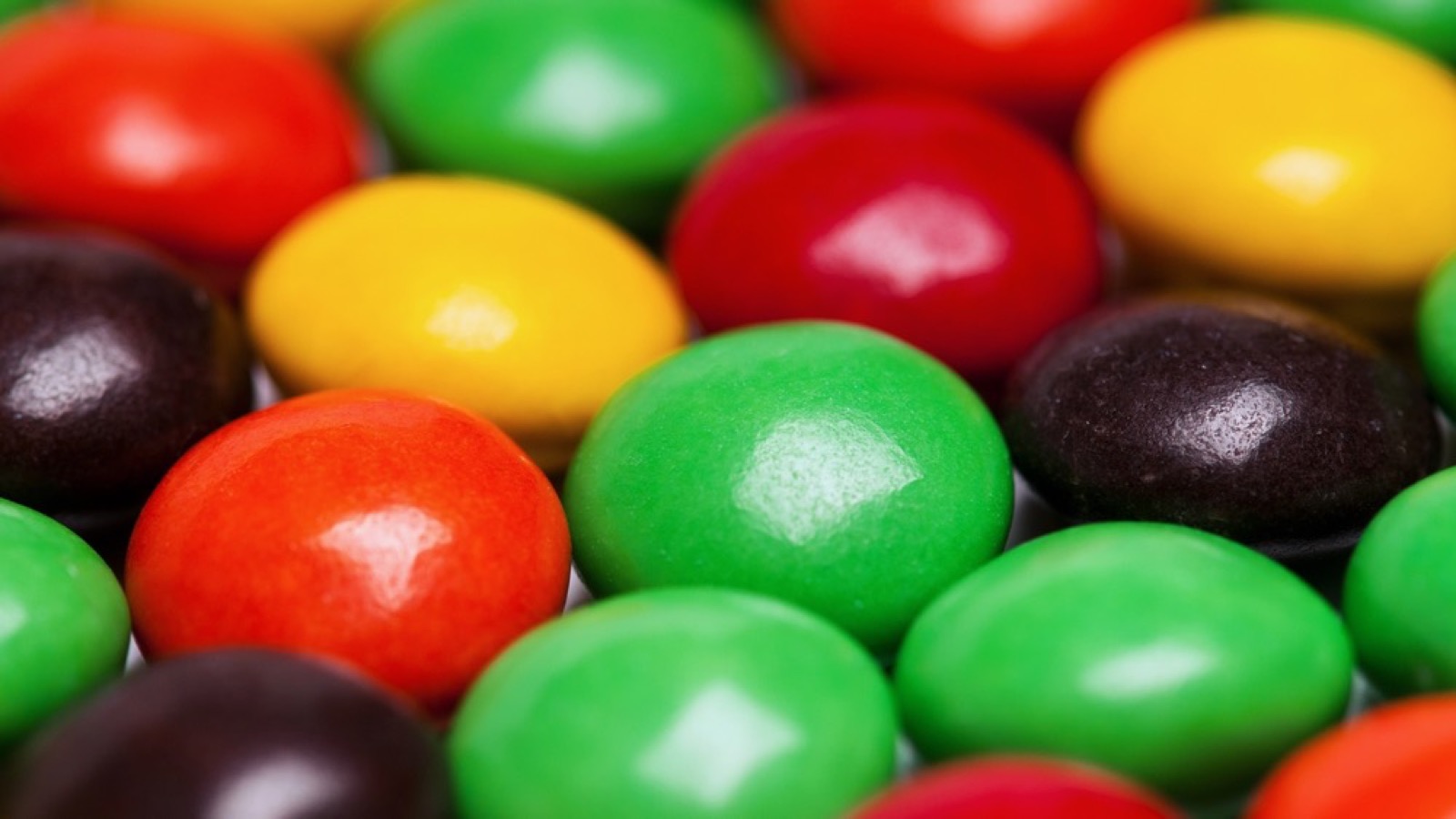
Here’s the surprising part: red M&M’s didn’t contain Red Dye No. 2. Mars pulled them anyway because the company worried that shoppers would be afraid of anything red. Orange M&M’s were added to the mix instead. Red M&M’s didn’t return until 1987, after years of requests from fans, including a college student who started a campaign to bring them back.
2. Diet Sodas Sweetened With Cyclamate
In the 1960s, many of America’s first diet sodas, including Tab and Diet Rite, were sweetened with a blend that included cyclamate. Cyclamate was cheap, sweet, and didn’t have the bitter aftertaste of saccharin alone. Diet drinks were booming, especially among women watching their weight.
In 1969, after a study found bladder tumors in rats fed high doses of cyclamate, the FDA moved to ban it, and the ban took effect in 1970. Soda companies had to reformulate their diet drinks quickly, mostly using saccharin instead. Cyclamate is still allowed in many other countries, and later research has questioned the original findings, but it remains banned in the United States.
3. The Original Four Loko
Four Loko became famous in the late 2000s as a fruity malt beverage that combined alcohol with caffeine and other stimulants. It came in tall, colorful cans and was especially popular with college students. Critics said the drink made it hard for people to realize how drunk they were.
In November 2010, the FDA sent warning letters to several companies, saying that adding caffeine to alcoholic drinks was unsafe. The maker of Four Loko removed the caffeine and other stimulants. The drink is still sold, but the original version that made headlines is gone.
4. The Klondike Choco Taco
The Choco Taco was invented in 1983 by a Philadelphia ice cream company and became a beloved ice cream truck treat. It was a waffle cone shaped like a taco shell, filled with vanilla ice cream, and topped with chocolate and peanuts. Klondike later sold it in grocery stores across the country.

In 2022, Klondike announced it was discontinuing the Choco Taco. The surprising reason wasn’t low sales. The company said it had seen a big jump in demand across its products and had to make hard choices about which items its factories could make. Fans were stunned, and the news spread across social media for days.
5. Gerber Singles for Adults
In 1974, Gerber, the famous baby food company, tried something new. It launched Gerber Singles, a line of single-serving meals for adults. The food came in small jars that looked a lot like baby food, with dishes like beef burgundy and creamed beef.
The idea was to give single adults a convenient meal. But shoppers didn’t want to eat dinner from what looked like a jar of baby food, especially when the label carried the Gerber name. The product flopped and was soon pulled. Today, it’s often cited as one of the most famous examples of a product that failed because of its packaging and branding.
6. Heinz EZ Squirt Colored Ketchup
In 2000, Heinz launched EZ Squirt, a ketchup aimed at kids that came in bright colors like green, purple, and blue. The squeeze bottles were designed for small hands and let kids draw pictures on their food. At first, the product was a big hit, and Heinz reported strong early sales.
But the novelty wore off. Parents didn’t keep buying it once the excitement faded, and many people found the idea of purple ketchup a little unappetizing. Heinz discontinued EZ Squirt in 2006. Today, it’s remembered as a fun but short-lived experiment from the early 2000s.
7. Burger King Satisfries
In 2013, Burger King introduced Satisfries, a crinkle-cut French fry that it said had less fat and fewer calories than its regular fries. The chain promoted them as a healthier option for customers who still wanted fries with their meal.
The problem was that Satisfries cost more than regular fries, and many customers didn’t notice much difference in taste. Some people didn’t understand why they would pay more for fries that looked almost the same. In 2014, Burger King dropped Satisfries from most of its restaurants, less than a year after their launch.
Why Strange Reasons Happen
Food companies are always trying to balance customer demand with costs, safety rules, and public opinion. Sometimes a single study or news story can make a company nervous enough to pull a product. Other times, a factory simply can’t keep up with demand for everything.
Marketing mistakes also play a big role. A product with a confusing name or packaging can fail even if the food itself is good. Food history is full of these surprises, many of which are part of the stories from history people keep getting wrong.
The Lessons for Shoppers
For shoppers, these stories are a reminder that no product is safe forever. A favorite treat can disappear for reasons that have nothing to do with how good it tastes. If you love a product, it’s worth telling the company, because some foods, like red M&M’s, have come back after fans spoke up.
The FDA’s color additive guidance explains how the agency decides which colors are safe to use. And for many boomers, these products are part of the childhood things that vanished along the way.
Which of these discontinued foods surprised you most, and do you remember when red M&M’s disappeared? Many readers say they still have strong feelings about the Choco Taco.