5 Things Real Life Pirates Ate on the High Seas
When people imagine pirates, they often picture treasure chests, wooden ships, rum, and adventurous nights at sea. But have you ever wondered what these sailors actually ate while spending weeks or even months away from land?
Their meals were not always as exciting as their adventures. Some days involved salted meat, extremely dry bread, and whatever food they could find along the coast. Other times, they enjoyed fresh seafood and tropical fruits.
During the Golden Age of Piracy, roughly 1650 to 1730, no single menu did every pirate crew follow. Some bought supplies, others captured provisions, and many relied on hunting, fishing, and trading with local communities.
Historical accounts from sailors and buccaneers reveal five interesting foods that actually made their way onto ships.
Salt Pork Was One of Their Most Common Meats
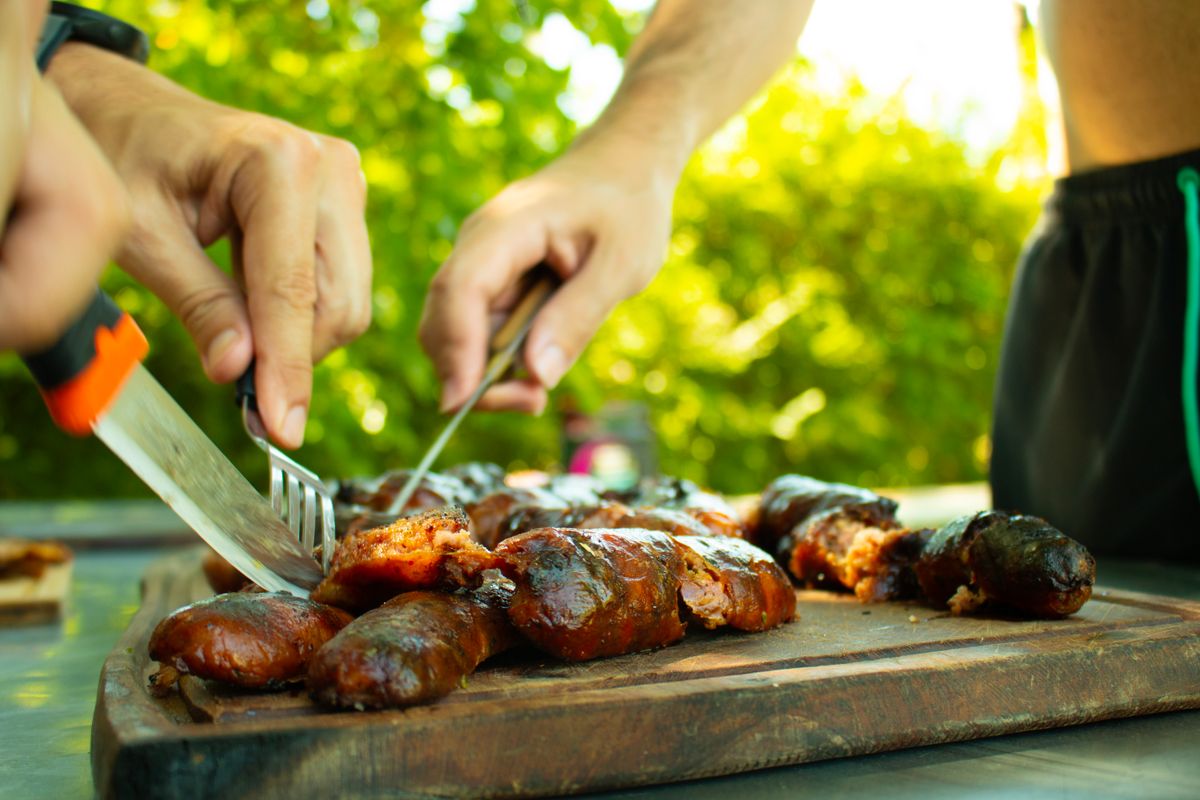
Forget the perfectly cooked bacon strips served at modern breakfast tables. Salt pork was a much more practical food for pirates and other sailors.
Alexandre Exquemelin, whose account of the buccaneers was published in English in 1684, described pork as their most common meat provision. Before setting out on voyages, these men organized expeditions to obtain meat and preserve it with salt.
The reason was simple. Fresh meat spoiled quickly, especially in warm conditions. Salting helped preserve pork longer, making it useful during extended journeys.
The meat was commonly stored in barrels and later boiled for meals. It was not necessarily delicious, but it provided an important source of food when fresh supplies were unavailable.
For sailors spending weeks at sea, having preserved meat could make the difference between eating properly and going hungry.
Ship’s Biscuit Was Nothing Like Modern Bread
If pirates had one food that could survive long periods at sea, it was ship’s biscuit.
Unlike the soft bread people enjoy today, these biscuits were made primarily from flour and water. They were baked until extremely dry, allowing them to last much longer than ordinary bread.
They were a common maritime provision, not something invented specifically for pirates.
The biscuits were designed for practicality, not taste. Their dryness made them difficult to eat on their own, and sailors sometimes needed liquid to soften them.
Storage conditions also mattered. Dampness could ruin supplies, while insects could make stored provisions unpleasant.
Today, many people use the word hardtack when discussing these foods, but ship’s biscuit is the more appropriate historical term for the period.
It was not fancy dining, but having something that could be stored for a long voyage was more important than enjoying freshly baked bread every morning.
Rice Was Another Food They Carried on Voyages
Pirate meals were not always centered on meat and bread. Rice also appeared in historical accounts of buccaneering voyages.
In 1683, William Dampier recorded that his company purchased two large containers of rice at Sherbro, off the coast of West Africa, before continuing its journey.
This detail is interesting because it shows that pirates did not always obtain food by stealing. They also purchased supplies from local sellers and communities.
Rice was useful because it could be stored as a dry provision and prepared when needed.
Dampier later described boiled rice being served aboard alongside turtle and manatee during a stop in northwestern Australia in 1688.
For sailors traveling through different regions, rice offered another meal option beyond preserved meat and biscuits.
Sea Turtles Were a Valuable Source of Fresh Meat
One of the more surprising foods associated with buccaneers was sea turtle.
Exquemelin ranked turtles immediately after pork when describing buccaneers’ provisions. They sometimes lightly salted the meat to preserve it.
Dampier also described how Indigenous Miskito hunters helped supply turtles to buccaneering groups. Their hunting skills were valuable because they understood the local waters and knew how to catch these animals.
Another interesting detail was that sailors could keep turtles alive aboard ships until they were ready to prepare them. This allowed crews to postpone cooking instead of immediately preserving every piece of meat.
Keeping live turtles was not exclusive to pirates. Other sailors also used this method when traveling through suitable waters.
For crews without refrigeration, having access to live food could be a significant advantage.
Plantains Could Be Eaten Fresh or Preserved
Plantains were another food that made their way onto some buccaneering voyages, particularly in tropical regions.
Dampier described local sellers bringing plantains aboard ships at Sherbro in 1683. These fruits could be eaten fresh, but they also offered another useful advantage: they could be preserved.
In his writings, Dampier explained how ripe plantains could be sliced and dried in the sun. Once dried, they could be stored and eaten later. He compared their sweetness to figs.
This made plantains a practical food in places where they were available. They could provide a different taste from the heavily salted meat that often appeared in sailors’ meals.
Not every pirate ship carried dried plantains, but historical accounts show that they were among the foods available to some crews during their travels.
Feeding a Pirate Crew Was Hard Work
Life aboard a pirate ship was not always about treasure hunting and exciting adventures. Keeping everyone fed required planning, preservation, hunting, and sometimes help from local communities.
Salt pork and ship’s biscuits provided practical provisions that could last longer than fresh food. Rice and plantains offered alternatives when available, while turtles supplied fresh meat in certain regions.
Food depended heavily on where a crew traveled, what supplies it could obtain, and how long it expected to stay away from land.
In reality, pirates did not eat like characters in adventure movies. Their meals could be simple, repetitive, and heavily dependent on what was available.
But historical accounts show that their diets were more varied than many people might expect. Sometimes, the most interesting part of pirate history is not the treasure they found, but what they actually had for dinner.