Think Twice Before Swiping Your Credit Card at These 7 Places
Credit cards make everyday purchases easier. You can pay for groceries, book a hotel, fill up your gas tank, and shop online without carrying cash. They also offer useful protections when something goes wrong.
But not every credit card transaction is as straightforward as it looks. Some businesses add extra fees, others place temporary holds on your available credit, and certain payment arrangements can leave you paying much more than you expected.
That doesn’t mean you should stop using credit cards altogether. In fact, credit cards can be safer than debit cards in several situations. The trick is knowing what to watch for before handing over your card details.
Here are seven places where it’s worth taking a closer look before swiping.
Local Shops and Service Businesses That Add Credit Card Fees
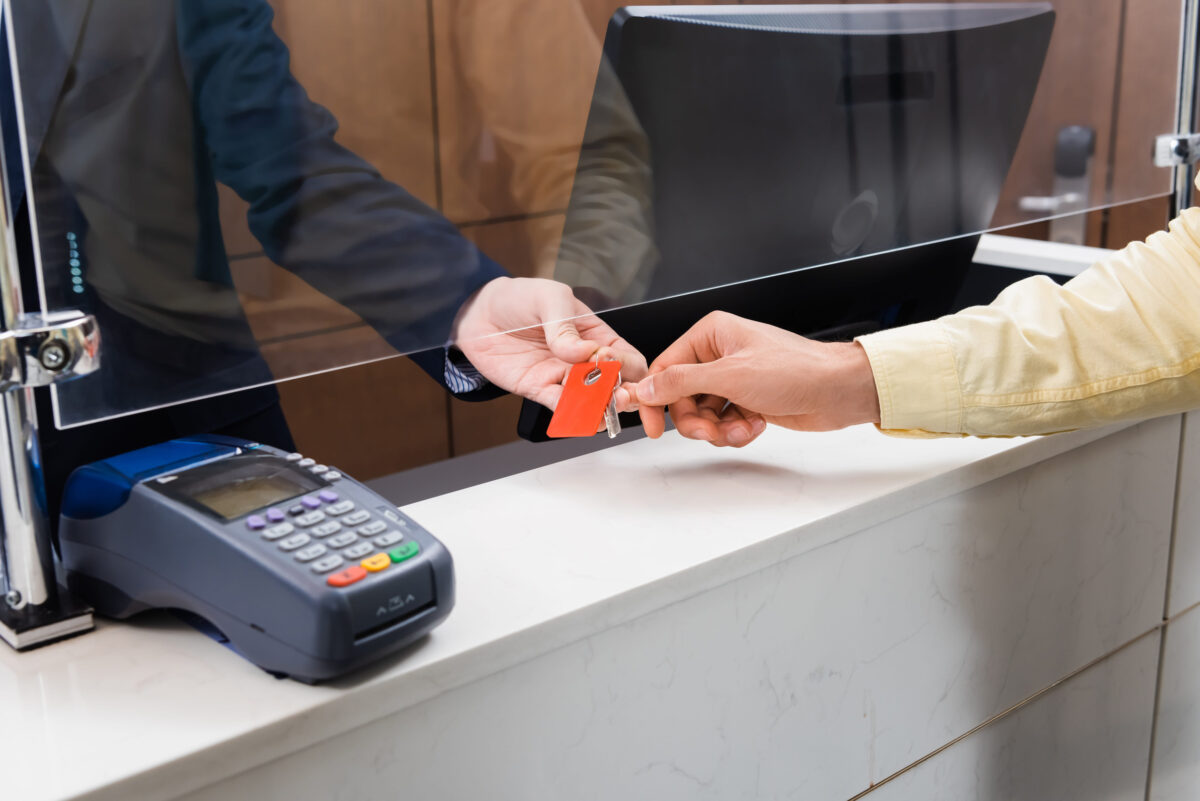
Have you ever reached the checkout counter only to discover that paying with a credit card costs extra? Some local shops and service businesses add surcharges to credit card transactions.
These fees can make a noticeable difference, especially on expensive purchases. For example, a 3% surcharge adds $3 to a $100 purchase and $30 to a $1,000 bill.
The rules also depend on the card network and state laws. Visa generally limits surcharges to the lower of the merchant’s applicable acceptance cost or 3%. Mastercard has a different framework, with a published maximum of 4%, subject to additional restrictions.
Before paying, ask whether the business offers a cash discount or charges a credit card surcharge. Compare the final prices rather than assuming your card rewards will make up the difference.
Sometimes, paying with cash or another accepted payment method is simply cheaper.
Medical and Dental Offices Offering Special Financing
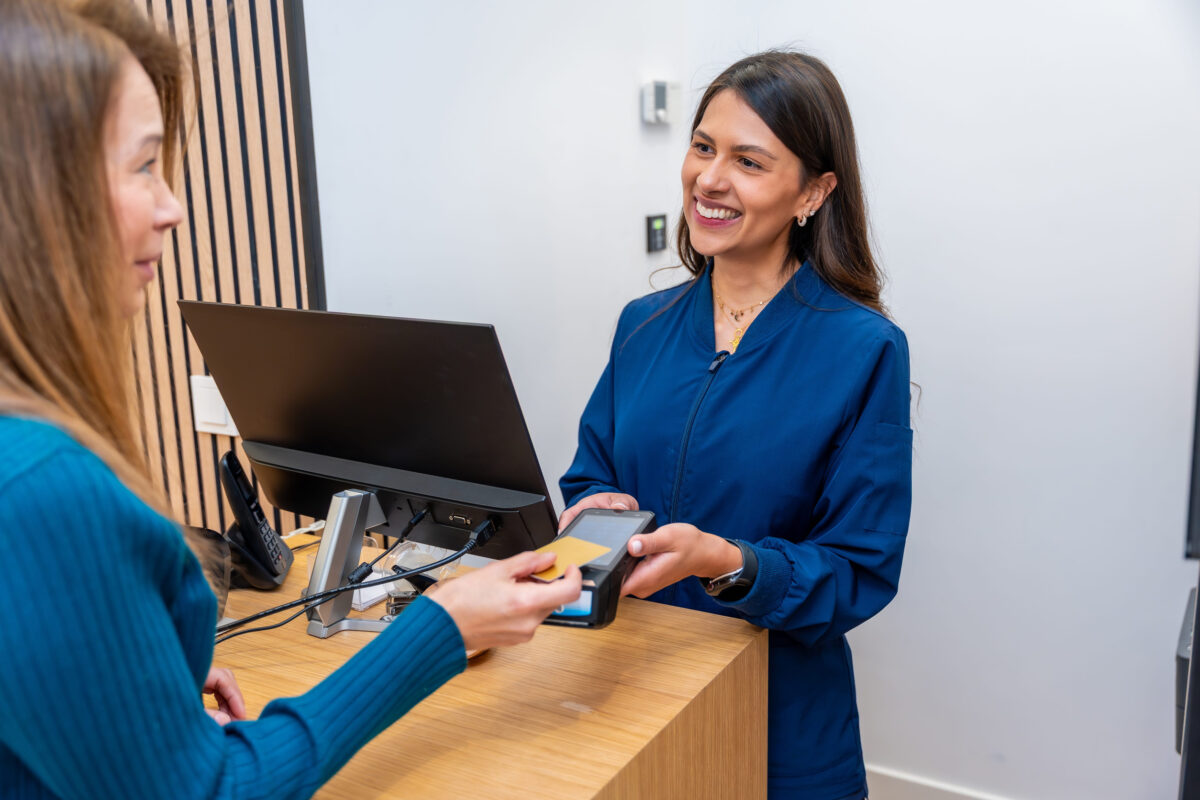
A trip to the dentist or a medical office can come with an expensive bill. When the amount is more than you can comfortably pay upfront, a financing offer might sound appealing.
However, be careful when a provider offers a medical credit card with a promotion such as “no interest if paid in full.”
This can be different from a regular 0% introductory APR offer. With deferred-interest financing, interest may accumulate during the promotional period. If you don’t pay the qualifying balance in full by the deadline, the accumulated interest may become due.
The Consumer Financial Protection Bureau (CFPB) reported in May 2023 that consumers used deferred-interest cards and loans for almost $23 billion in healthcare purchases between 2018 and 2020. Approximately $1 billion in deferred interest was incurred during that period.
Before accepting an offer, ask for the written agreement. Check the promotional deadline, interest rate, minimum payments, and exact amount you must pay to avoid interest.
Also ask whether the office offers a direct payment plan or other arrangements. A little comparison can save you from an expensive surprise.
Gyms and Businesses With Recurring Payments

Signing up for a gym membership can feel like a small commitment, especially when the monthly payment looks affordable.
The problem can begin when you decide to cancel.
Some businesses have complicated cancellation procedures, unclear renewal terms, or recurring charges that continue after customers attempt to end their memberships.
In August 2025, the Federal Trade Commission (FTC) sued the operators of LA Fitness, Esporta Fitness, City Sports Club, and Club Studio over alleged obstructive cancellation practices. The allegations included difficulties canceling memberships and continued billing after cancellation attempts. The case was listed as pending in January 2026, so the allegations should not be treated as a final court finding.
Before giving a gym your credit card details, read the membership agreement carefully. Find out whether the membership automatically renews, how cancellation works, and whether there are additional fees.
Keep cancellation emails, screenshots, and confirmation numbers. If charges continue after a valid cancellation, contact the business and your card issuer.
Hotels and Rental-Car Counters
Booking a hotel or rental car with a credit card is common, but don’t be surprised if the business temporarily reserves more money than the final bill.
Hotels and rental companies often place authorization holds to cover incidentals, deposits, or possible additional charges.
The Federal Trade Commission explains that these holds can reduce your available credit even though the money has not necessarily been charged as a completed purchase.
For example, a hotel might reserve an amount for your stay and additional expenses. That can leave you with less available credit for other purchases.
The FTC also explains that using a different payment method when settling the final bill can complicate the release of the original hold. Depending on the circumstances, a hold may remain for up to 15 days.
Still, credit cards are often preferable to debit cards in this situation. With debit, a deposit can temporarily affect the money available in your checking account.
Before checking in or collecting a rental car, ask about the deposit amount, release process, and payment requirements. Using the same card for the initial authorization and final payment can also help.
Gas Stations, Especially Unattended Pumps
Filling up your tank is routine, but unattended gas pumps deserve a little extra attention.
One concern is card skimming. Criminals can install unauthorized devices inside or over payment terminals to capture card information when customers insert or swipe their cards.
The FTC has warned consumers about gas pump skimming and recommends checking payment terminals for suspicious attachments or signs of tampering.
Another issue is the temporary authorization placed on your card. Because the station may not know the final fuel cost before you finish pumping, it can initially reserve more credit than the actual purchase requires.
If your card is close to its credit limit, that temporary hold could affect other purchases.
Whenever possible, use contactless payment or pay inside. Visa explains that contactless transactions generate a unique transaction code, which helps reduce the risk of traditional card skimming.
Also monitor your account for unfamiliar transactions and report suspicious activity promptly.
Overseas Merchants and Foreign-Based Online Businesses
Shopping internationally can be exciting, but the final amount on your statement may be higher than the price you originally saw.
Two charges deserve attention: foreign transaction fees and dynamic currency conversion.
Some card issuers charge foreign transaction fees when purchases involve foreign currencies or international processing. The amount depends on your particular card agreement.
Dynamic currency conversion happens when a foreign merchant offers to charge you in U.S. dollars instead of the local currency.
Although seeing dollars on the payment screen might feel convenient, the merchant’s exchange rate can include an additional markup. You could also still face a foreign transaction fee from your card issuer.
Before accepting a currency conversion, compare the displayed exchange rate and additional charges. Visa says merchants should disclose the currencies, exchange rate, and applicable markup and allow customers to choose.
A credit card with no foreign transaction fees can also be a useful option for international purchases.
Unfamiliar Online Stores and Marketplace Sellers
An online store can look professional, offer attractive prices, and still be unreliable.
Some fraudulent sellers collect payments without delivering the advertised products. Others may operate legitimate-looking websites with compromised checkout pages designed to steal payment information.
The FTC recommends using credit cards when shopping online because they offer important protections when transactions go wrong.
However, don’t assume that a website is trustworthy simply because its address begins with HTTPS. That indicates an encrypted connection, not proof that the seller is legitimate.
Before entering your card details, check independent customer reviews, contact information, shipping policies, and return conditions.
Be especially cautious if a seller pressures you to pay with gift cards, wire transfers, or other payment methods that are hard to recover.
Keep your order confirmation and screenshots of the product listing. If an item never arrives or an unauthorized charge appears, contact your card issuer promptly.
The Bottom Line
Credit cards are useful financial tools, but knowing when to pause can help you avoid unnecessary fees, confusing payment holds, and expensive financing arrangements.
You don’t necessarily need to switch to cash or debit every time you encounter one of these situations. Sometimes, choosing a different credit card, paying inside a gas station, checking a membership agreement, or declining a currency conversion is enough.
The most important habit is simple: understand what you’re agreeing to before entering your card details. A few extra seconds at checkout could save you money and a lot of frustration later.