6 Things That Are Illegal to Do With Pennies and Nickels
Pennies and nickels are among the most familiar things Americans handle every day. People toss them into jars, use them for small purchases, collect them, and sometimes turn them into creative projects.
But did you know that certain activities involving these everyday coins are restricted under federal law?
The rules go beyond simply spending counterfeit money. Federal regulations cover activities such as melting coins, processing them for other purposes, and exporting them under certain conditions. Other federal laws address fraudulent coin alterations and attaching promotional materials to currency.
That doesn’t mean every unusual thing you do with a penny or nickel is illegal. Some activities have specific exceptions, and the purpose behind an alteration can matter.
Here are six things to know before doing something unusual with your spare change.
Melting Pennies and Nickels
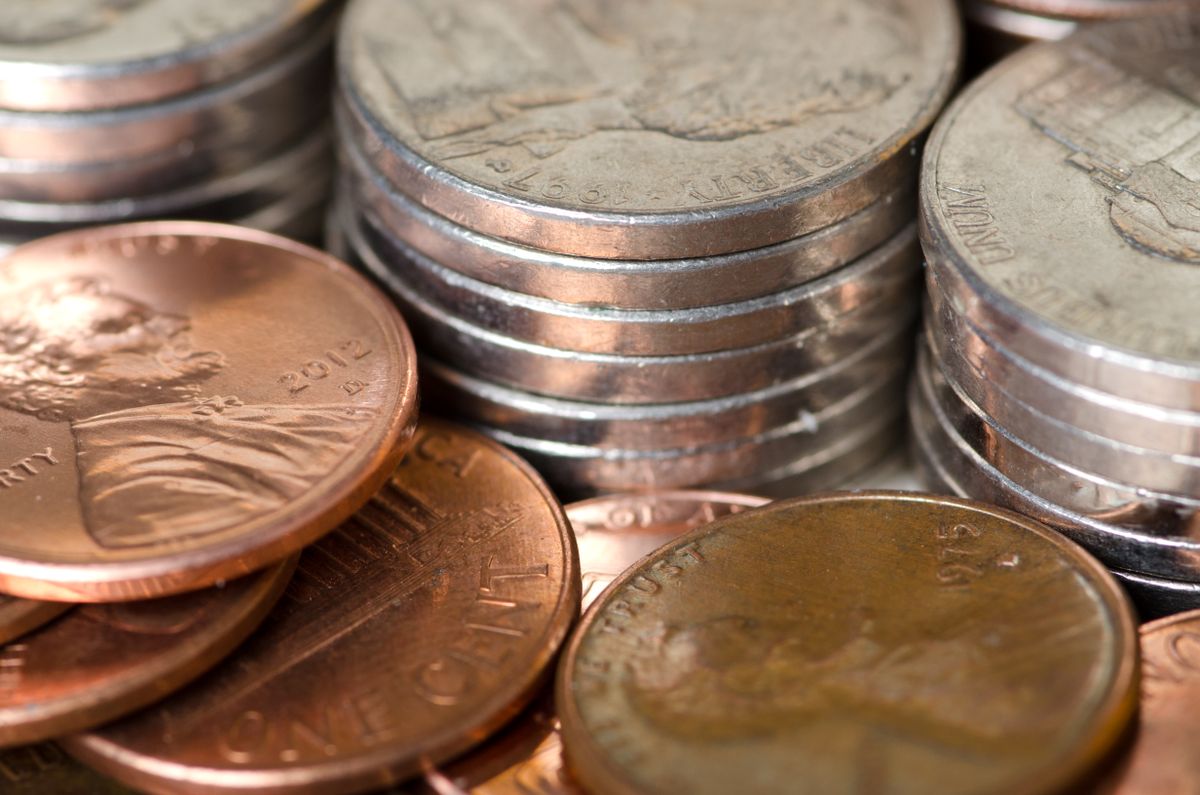
Turning old pennies and nickels into metal for another project might sound like a practical way to reuse spare change. However, federal regulations generally prohibit melting U.S. one-cent and five-cent coins.
Under 31 CFR § 82.1, melting these coins is among the restricted activities involving U.S. currency. The rule exists to protect the nation’s coin supply from activities that could take circulating money out of use.
There are specific exceptions, along with provisions for obtaining written authorization or licensing where applicable. This means the restriction should not be interpreted as an absolute ban on every possible melting activity.
Knowingly violating applicable coin-melting regulations can carry penalties under 31 U.S.C. § 5111(d). These include fines of up to $10,000, imprisonment for up to five years, or both.
Treating Pennies and Nickels Through Prohibited Processes
Melting isn’t the only way federal regulations restrict what people can do with pennies and nickels.
Under 31 CFR §§ 82.1–82.3, certain processes involving these coins are also prohibited. These include smelting, refining, heating, and chemical, electrical, or mechanical treatments covered by the regulations.
Why does this matter? Someone might think that avoiding complete melting makes another metal-processing activity acceptable. However, the regulations cover more than simply turning a coin into liquid metal.
There are exceptions worth understanding. Certain educational, amusement, novelty, and jewelry purposes may qualify for exemptions when the applicable regulatory conditions are satisfied.
For example, the rules do not automatically make every coin-based jewelry or novelty project illegal. The specific process and whether it meets the exemption requirements matter.
Knowingly violating the applicable treatment restrictions can result in fines of up to $10,000 and/or imprisonment for up to five years under 31 U.S.C. § 5111(d).
Exporting Pennies and Nickels Without Meeting the Requirements
Planning to take a large collection of American pennies and nickels overseas? Federal law places restrictions on exporting these coins.
Under 31 CFR §§ 82.1–82.2, exporting U.S. one-cent and five-cent coins is generally restricted, although certain exceptions allow legitimate shipments.
For example, an aggregate shipment of up to $100 may qualify for an exception when the coins are exported for legitimate monetary or numismatic purposes. Numismatic purposes generally relate to coin collecting and the study of coins.
Travelers also have separate allowances. These include up to $5 in pennies and nickels, or up to $25 for specified legitimate personal purposes.
However, these exceptions have an important limitation: They do not authorize exporting coins for prohibited melting or treatment activities.
In other words, being within a permitted export amount does not automatically make every reason for taking the coins abroad acceptable.
Knowingly violating the applicable export restrictions can result in fines of up to $10,000, imprisonment for up to five years, or both under 31 U.S.C. § 5111(d).
Attaching Advertisements or Business Cards to Coins
Coins are small, convenient, and easy to distribute. That might make them seem like an interesting place to attach a business advertisement, promotional message, or contact information.
However, federal law specifically restricts this practice. Under 18 U.S.C. § 475, attaching advertisements, business cards, notices, or similar promotional materials to U.S. coins is prohibited.
The law addresses the use of coins as carriers for promotional messages. Even if someone believes attaching a small business card is a harmless marketing idea, the activity falls within the conduct covered by this federal provision.
Unlike some of the coin-processing restrictions, this law does not provide the same general discussion of jewelry or novelty exemptions in the supplied research brief.
A violation of 18 U.S.C. § 475 carries a fine. The supplied legal information does not specify a particular dollar amount, so it would be inaccurate to assign one here.
Fraudulently Altering or Defacing Coins
People sometimes change the appearance of coins for different reasons. However, federal law draws an important distinction between ordinary creative modification and fraudulent alteration.
Under 18 U.S.C. § 331, fraudulently altering, defacing, mutilating, diminishing, or falsifying coins is prohibited. The key word is fraudulently. The provision is not a blanket prohibition against every artistic or decorative change someone makes to a coin.
For example, simply creating an unusual-looking coin does not automatically establish a violation under this law. Fraudulent intent is essential to the offense.
The distinction matters because someone making a coin-based craft and someone deliberately altering a coin for fraudulent purposes are not necessarily engaging in the same conduct. A violation of 18 U.S.C. § 331 can result in a fine, imprisonment for up to five years, or both.
Knowingly Passing or Selling Fraudulently Altered Coins
Altering a coin fraudulently is one issue. Knowingly putting that coin into circulation or selling it is another.
Under 18 U.S.C. § 331, federal law also prohibits certain conduct involving coins that have been fraudulently altered. This includes fraudulently possessing, passing, or selling coins while knowing they have been fraudulently altered.
The knowledge requirement is important. The provision addresses people who knowingly engage in the prohibited activity, rather than treating every person who unknowingly receives an altered coin as automatically guilty.
For example, someone who knowingly tries to pass off a fraudulently altered coin as legitimate money may fall within the conduct covered by this law. The penalties under 18 U.S.C. § 331 include a fine, imprisonment for up to five years, or both.