7 Food Rules From Childhood That Boomers Still Follow
Every family had its rules at the dinner table, and most kids who grew up in the ’50s and ’60s could recite them by heart. You didn’t argue about what was for supper, you didn’t leave the table until you were excused, and you certainly didn’t throw away a perfectly good piece of meatloaf. Those rules were repeated so often that they became part of who people are.
What’s funny is how many of those rules stuck. Decades later, plenty of boomers still find themselves finishing every bite, saving a spoonful of leftover peas or feeling a little guilty about having a cookie before dinner. Some of these habits came straight out of the Great Depression and two world wars, when wasting food was seen as almost unpatriotic.
Younger generations sometimes laugh at these old-fashioned habits, but there’s real history behind them. Here are seven food rules from childhood that many boomers still follow today, and where those rules came from.
1. Clean Your Plate
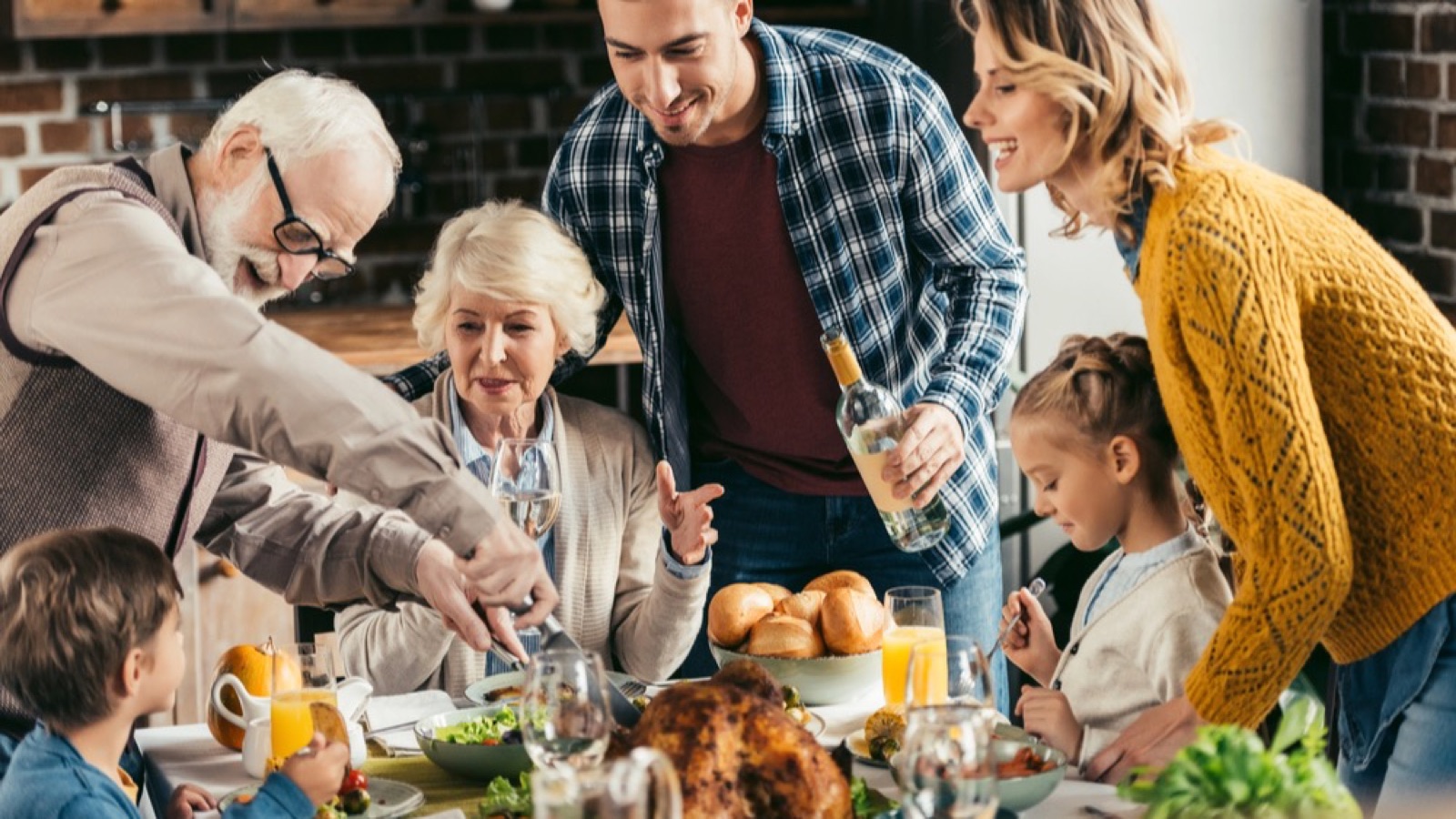
“Clean your plate” might be the most famous dinner table rule in American history. It goes back further than most people realize. During World War I, the U.S. Food Administration, led by Herbert Hoover, encouraged families to follow what the National Archives describes as the “gospel of the clean plate,” so more food could be shipped to troops and allies overseas.
The idea came back after World War II. National Geographic notes that in 1947, President Harry Truman called on Americans to cut food waste to help feed hungry people in war-torn Europe, and “clean plate clubs” became a popular way to get kids on board. By the time boomers were sitting at the table, the phrase was simply what parents said, and many still can’t bring themselves to leave food behind.
2. Nothing Goes to Waste
Closely tied to cleaning your plate was the rule that nothing in the kitchen got thrown out. Stale bread became bread pudding or stuffing, leftover roast turned into hash, and vegetable scraps went into the soup pot. Boomers’ parents had lived through the Depression, and they passed down a deep dislike of waste.
That’s why so many boomers still save tiny portions of leftovers in little containers, sometimes to the amusement of their grown children. It’s one of many habits from Depression-era parents that shaped an entire generation. Even today, tossing out food that could have been used feels wrong to a lot of people who grew up this way. Ask a boomer about the butter tub in the fridge, and there’s a good chance it’s full of last night’s gravy instead of butter.
3. No Dessert Until You Finish Dinner
In most boomer households, dessert had to be earned. If you wanted a slice of pie or a scoop of ice cream, you had to finish your dinner first, especially your vegetables. Parents used it as a bargaining chip, and it worked more often than not.
The Takeout points out that the clean plate ideals carried into later generations, with parents saying things like “finish your vegetables or you don’t get dessert.” Plenty of boomers kept the same rule when they raised their own kids. Some even admit they still eat their vegetables first out of pure habit.
4. Don’t Spoil Your Dinner
“You’ll spoil your dinner” was a phrase kids heard any time they reached for a snack late in the afternoon. Back then, there were usually set mealtimes, and snacking right before supper was a big no-no. Mom had worked hard on dinner, and she wanted you hungry enough to eat it.
This rule has deep roots, too. The Takeout notes that during World War I, household pledge cards asked families not to leave a scrap of food on their plates and not to eat between meals. Generations later, many boomers still feel a little twinge of guilt when they grab a handful of crackers at 4:30 in the afternoon. Some joke that they can still hear their mother’s voice calling from the kitchen the moment the cookie jar lid clinks.
5. Fish on Fridays
For Catholic families, Friday meant no meat, and that rule shaped dinner tables across the country. Fish sticks, tuna casserole, macaroni and cheese and fried fish were Friday regulars. In many towns, Friday fish was so common that even non-Catholic families got used to it.
The year-round rule changed in 1966, when the U.S. Catholic bishops released Catholics from the strict obligation to skip meat on Fridays outside of Lent. As the National Catholic Register explains, the bishops still encouraged Friday as a day of self-denial and gave giving up meat “first place” among ways to do it. Many boomers who grew up with the old rule still reach for fish on Fridays, whether they think about why or not.
6. Eat What’s Put in Front of You
In most boomer homes, there was one dinner, and that was it. Mom didn’t make a separate plate of chicken nuggets for the picky eater, and asking for something else was likely to earn you a stern look. If you didn’t like liver and onions, you ate it anyway or waited until breakfast.
Today, it’s more common for parents to cook a few different things to keep everyone happy, and that can leave boomer grandparents shaking their heads. Many still believe a kid should at least try what’s served. The old “no thank you bite,” where you had to taste a little of everything before deciding you didn’t like it, is still a rule in plenty of grandparents’ kitchens. It’s one of those boomer habits that seem to be getting a second look lately.
7. Nobody Eats Until Everyone Is Seated
The last rule might be the one boomers hold onto most firmly. In many homes, nobody picked up a fork until the whole family was at the table and the cook had sat down. In religious families, grace came first, and sneaking a bite before the “amen” was a serious offense.
This rule made dinner feel like a shared event rather than a free-for-all. It also meant the conversation started together, with everyone passing the bowls around the table and talking about their day. Plenty of boomers still wait for everyone at the table, even at restaurants, and quietly notice when others dig right in. For them, it’s simply a matter of respect for the person who made the meal.
Rules That Stuck for a Reason
These old food rules weren’t just about manners or keeping kids in line. Many of them grew out of hard times, when families had to make every scrap count and sitting down together was the center of the day. That’s a big part of why they’ve stayed with boomers for so long.
Which of these food rules did you grow up with, and which ones do you still follow today? Share your family’s dinner table rules in the comments, especially the ones your own kids or grandkids find hilarious.