8 Things Mothers-in-Law Secretly Notice at Thanksgiving
Thanksgiving is a lot of things at once. It’s a big meal, a family reunion, and for many couples, a long afternoon with the in-laws. Even when everyone gets along, there’s a good chance your mother-in-law is quietly paying attention to the little things.
That’s not a bad thing. Most of what she notices comes down to simple courtesy and warmth, and those are easy to get right. Here are eight things many mothers-in-law notice at Thanksgiving, even if they never mention them.
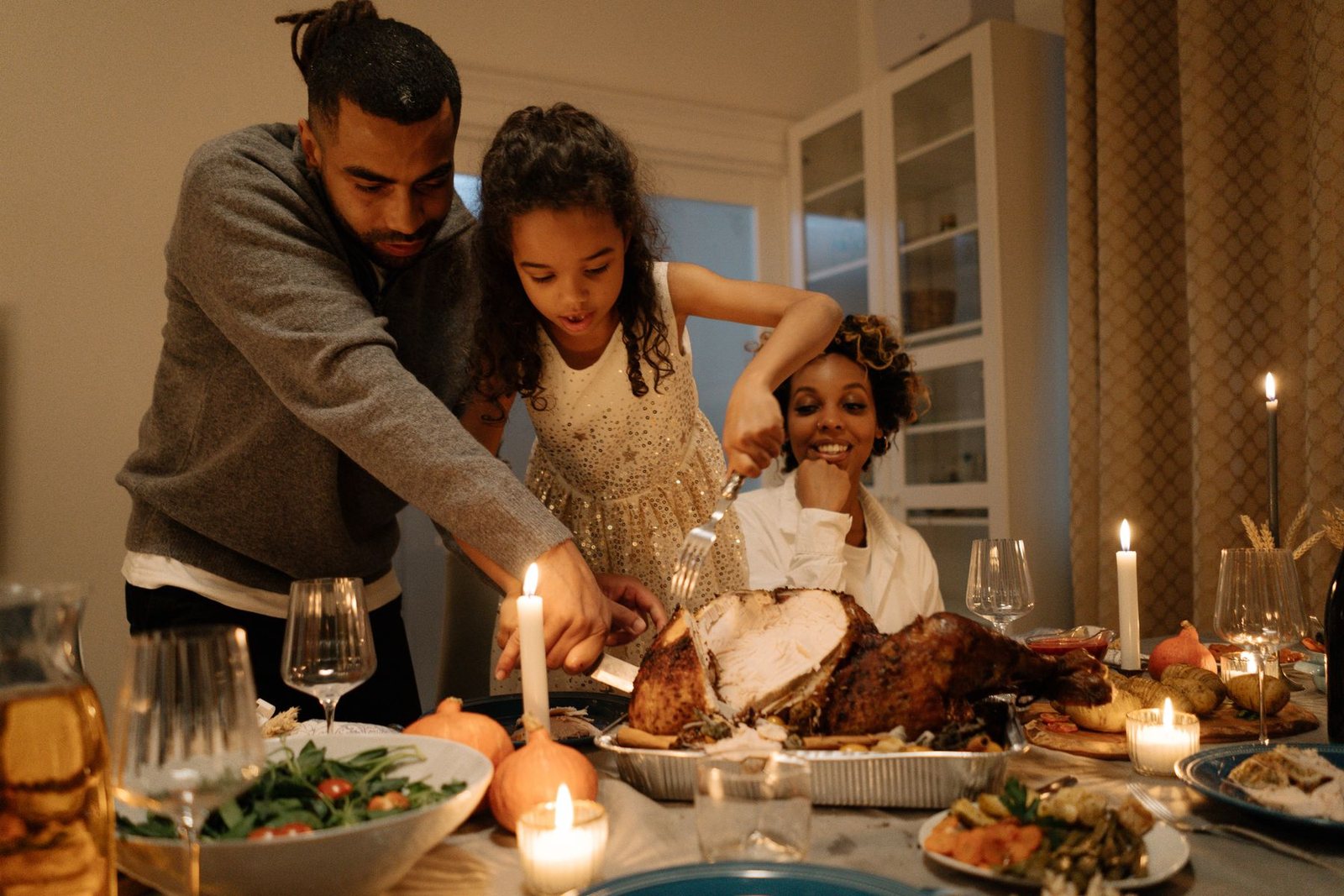
1. Whether You Offered to Help
Walking into a busy kitchen and asking, “What can I do?” goes a long way. Even if she says no, she’ll remember that you asked.
Etiquette expert Lizzie Post told AARP that offering to refill drinks or help clean up is thoughtful, especially at casual gatherings with hosts you know well. A family Thanksgiving usually fits that description, so roll up your sleeves, then step back if she clearly has a system. Many mothers-in-law have strong feelings about their kitchens, as anyone who has heard the things mothers-in-law say about cooking can tell you.
2. What You Brought, and Whether She Asked for It
If she asked you to bring rolls, bring rolls. Showing up with a surprise casserole when she already planned every side dish can throw off a carefully planned table.
AARP’s advice is to check with the host about how many servings are needed and not to show up with items beyond what was asked for. Following her lead shows you respect the effort she put into the menu, and it keeps you from becoming one of those dinner guests who make hosting harder.
3. What Time You Walked in the Door
Thanksgiving dinner runs on a schedule. The turkey has a timeline, the sides are timed around it, and someone has been up since dawn.
Post recommends arriving within the first 10 to 20 minutes of a more formal dinner and within 15 to 30 minutes for most parties. If you’re traveling, plan ahead so a delay doesn’t leave everyone waiting, and consider a carry-on that helps you skip the baggage claim.
4. How Often You Check Your Phone
A quick look at the football score is one thing. Scrolling through dinner is another. Many hosts notice when guests seem more interested in their screens than the people at the table.
AARP’s etiquette advice is simple: stay present and stay off your phone. Put it in your pocket during the meal, and save the photos for after the plates are cleared. Kids at the table can follow the same rule, and putting the tablets away is one of those signs of raising a well-mannered child that grandparents tend to notice.
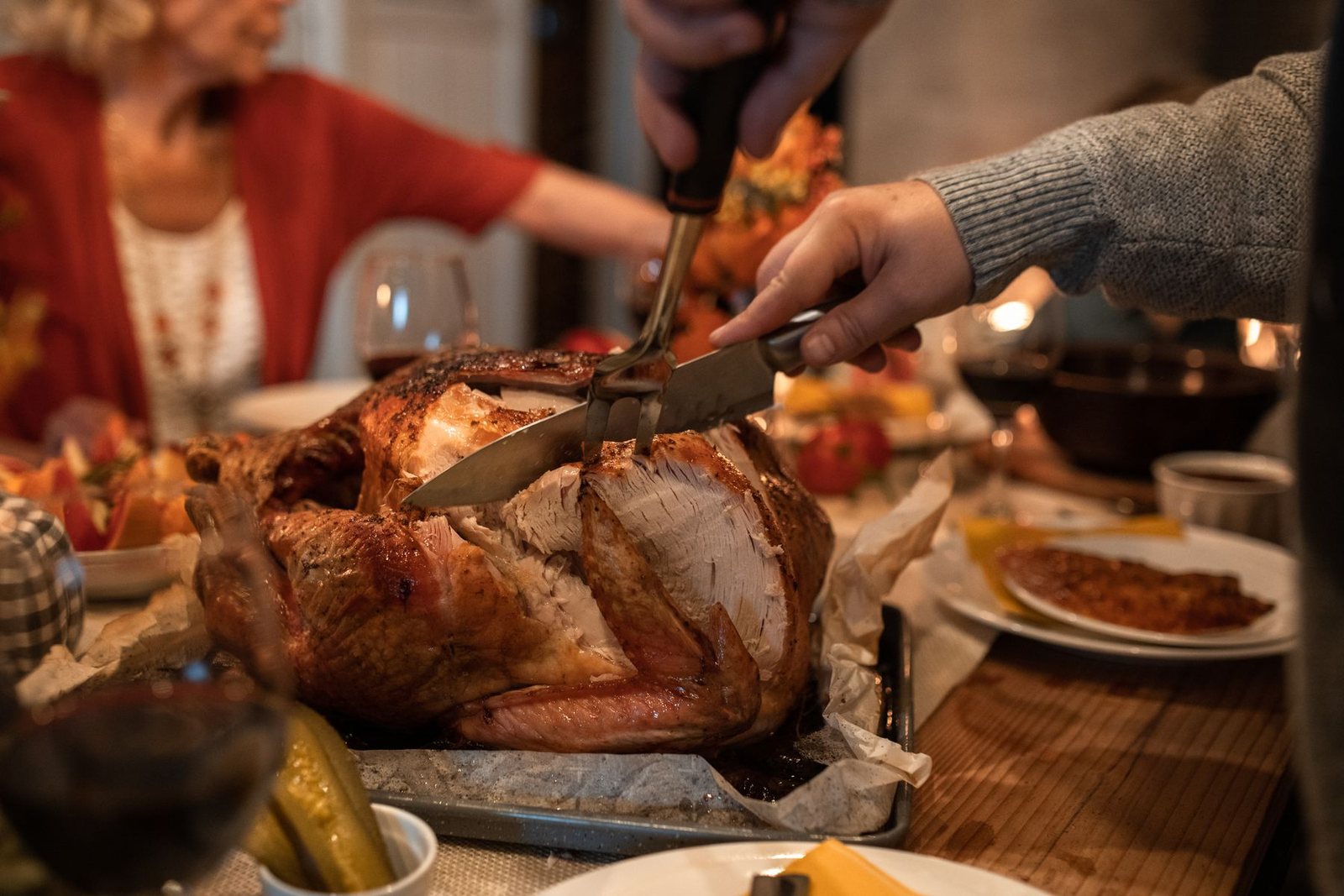
5. Whether You Tried Her Signature Dish
Every family cook has that one dish, whether it’s a sweet potato casserole, a cranberry relish, or a pie that has been made the same way for 40 years. Taking a second helping, or asking how she makes it, can mean more to her than any compliment about the turkey.
Even if it isn’t your favorite, a sincere word about the effort is always welcome. It also helps to keep the house ready for company if you’re hosting the next gathering, and getting the house guest-ready is a good place to start.
6. How the Grandkids Greet Her
A big hug at the door from the grandkids can make her whole day. Many grandparents notice whether the kids say hello, look up from their games, and say thank you for the meal.
It’s a small thing, but it reflects the household. Gently reminding kids to greet everyone is something grandparents tend to appreciate.
7. How You and Her Son Treat Each Other
Mothers often watch how their grown children are treated, and the way you talk to each other at the table may say more than any polite small talk.
In-law relationships can be tricky. As The Week reported, citing psychologist Terri Apter’s research, more than 60 percent of women surveyed described their in-law relationships as stressed, compared with 15 percent of men. The same piece suggests a simple approach: notice the other person’s strengths and say them out loud. Kindness toward her son, and toward her, can quietly ease a lot of that tension.
8. Whether You Said Thank You
This one matters more than almost anything else. Thank her in person before you leave, and if you want to make a real impression, follow up afterward.
Lizzie Post told AARP that a thank-you note after the event is a nice gesture, though a text or call also works. The Emily Post Institute also notes that houseguests should bring or send a small gift along with a handwritten thank-you note, so if you’re staying the weekend, a candle, flowers, or a box of chocolates is a thoughtful touch.
Your mother-in-law probably isn’t keeping score. Most of the time, she just wants to feel appreciated after a lot of hard work. Show up on time, pitch in, put the phone away, and say thank you, and you’ll likely be on the guest list again next year.