9 Dishes Retirees Finally Have Time to Learn to Cook
For most of their working lives, many people cooked out of necessity. Dinner had to be on the table fast, after a long day at work and before homework, practices and bedtime. There was no time for anything that took hours, required special skills or might go wrong on the first try.
Retirement changes all of that. Suddenly, there’s time to experiment, make mistakes and try again. Many retirees discover that cooking can be a relaxing, creative hobby rather than a daily chore. They finally tackle the dishes they always admired but never had the patience or time to make.
Some learn from cookbooks and cooking shows, while others take classes or watch online videos. Many finally ask an older relative to show them a family recipe before it’s lost. Here are nine dishes retirees finally have time to learn to cook, and why they’re worth the effort.
1. Sourdough Bread
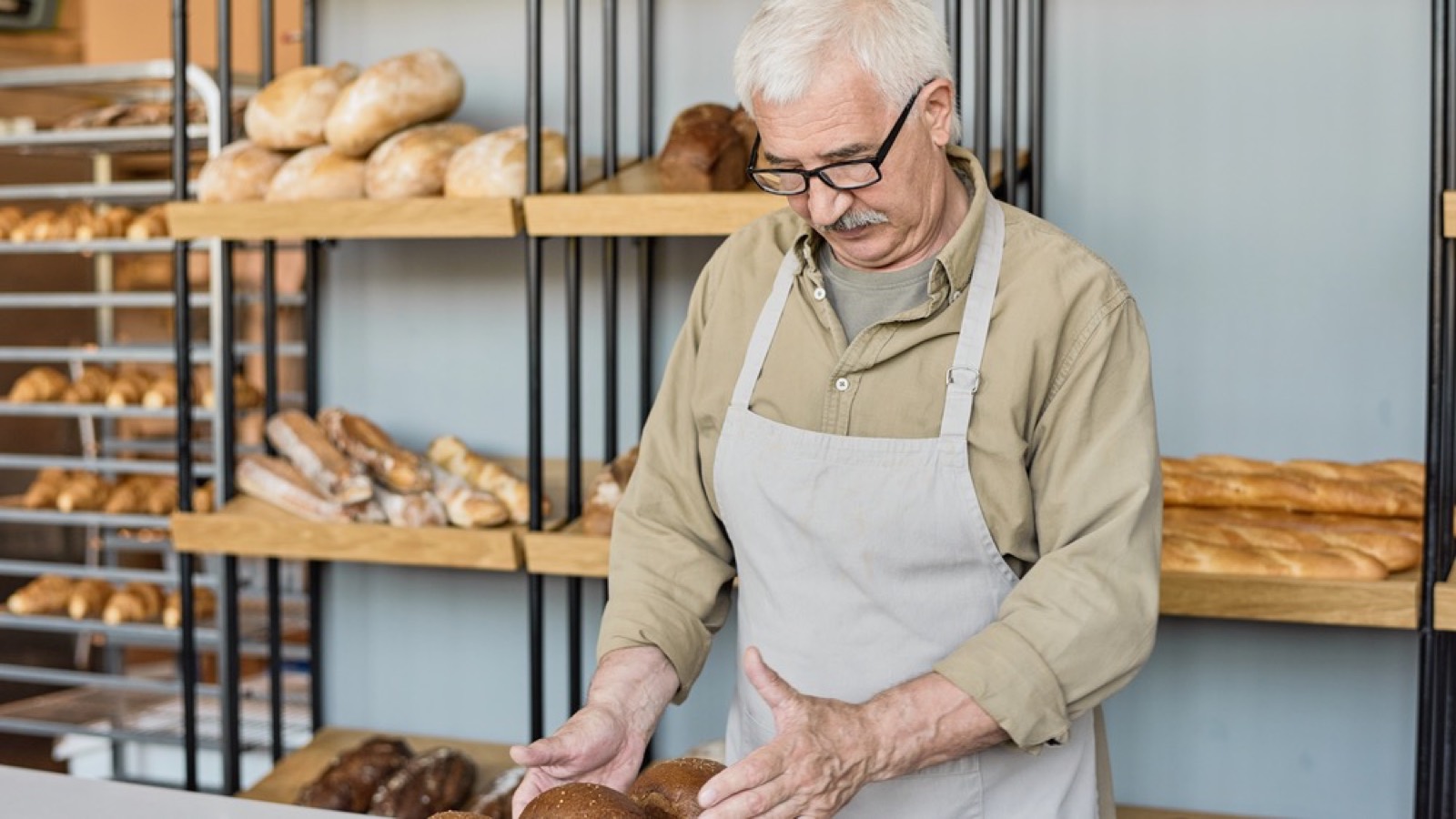
Sourdough has become one of the most popular baking projects in America, and retirees are a big part of that trend. Making sourdough means keeping a “starter,” a mix of flour and water that captures wild yeast, and feeding it regularly. Then the bread itself takes many hours to rise and bake.
That kind of slow process is perfect for someone with time on their hands. NPR reported that the sourdough frenzy that took off in 2020 never really ended. Many retirees find the routine of caring for a starter and baking a weekly loaf deeply satisfying, and their families love the results.
2. Pie Crust From Scratch
Many people spent decades buying ready-made pie crusts because making them from scratch seemed tricky. Getting a crust flaky and tender takes practice, from keeping the butter cold to rolling the dough just right. One wrong move, and it can turn tough or crumbly.
Retirees often decide it’s finally time to master Grandma’s pie crust. They practice on weekday pies until they get it right, then proudly bring their homemade pies to holidays and church suppers. Many say learning to make a perfect crust is one of the most rewarding kitchen skills they’ve ever picked up.
3. Fresh Pasta
Making pasta by hand is a slow, hands-on process that many busy cooks never try. You mix flour and eggs, knead the dough, let it rest and then roll and cut it into noodles. Some people use a hand-crank pasta machine, while others roll it out with a rolling pin.
Retirees often fall in love with the process. It’s relaxing, and fresh pasta tastes noticeably different from dried. Bon Appétit offers an easy starting recipe for beginners. Grandkids especially love helping crank the pasta machine, which turns it into a fun family activity.
4. Sunday Sauce
Many Italian American families have a long-simmered Sunday sauce, sometimes called “gravy,” made with tomatoes, garlic and several kinds of meat like meatballs, sausage and braciole. It cooks for hours on the stove and fills the whole house with an amazing smell.
During working years, most people didn’t have an entire Sunday to spend on one pot of sauce. In retirement, they finally do. Many retirees learn their family’s version from an older relative or recreate the sauce they remember from childhood. It’s a dish that brings the whole family back to the table.
5. Smoked Brisket
Barbecue has become a passion for many retirees, especially men who finally have time to tend a smoker all day. Smoked brisket is the ultimate challenge. It can take 10 to 14 hours of slow cooking, careful temperature control and a lot of patience.
Many retirees buy their first smoker after leaving work and spend months perfecting their technique. They swap tips with neighbors, watch videos and compare results at family cookouts. When they finally nail a tender, juicy brisket with a perfect crust, they’re proud to show it off.
6. Homemade Stock and Soup
Many working families relied on canned broth and boxed soup. Making stock from scratch, by simmering bones, vegetables and herbs for hours, seemed like too much work. But retirees often find it a simple, rewarding project.
Homemade stock is the base for rich soups, gravies and stews. Many retirees make big batches and freeze them for later. It’s also a great way to use up leftover chicken or turkey bones after a holiday meal. Once people try homemade chicken noodle soup made from real stock, many never go back to canned.
7. Family Holiday Recipes
Many families have a special dish that only one person knows how to make, like Grandma’s tamales, pierogi, cabbage rolls or Christmas cookies. These recipes often aren’t written down, and they’re learned by watching and helping.
Retirees often make it a priority to learn these recipes before they’re lost. They spend afternoons in the kitchen with an aging parent or aunt, taking notes and asking questions. Many then teach the recipes to their own children and grandchildren. It’s a way to keep family traditions alive for the next generation.
8. Risotto
Risotto is a creamy Italian rice dish that requires constant attention. You add broth a little at a time and stir almost continuously for about 20 to 30 minutes. That makes it a hard dish to fit into a busy weeknight.
For retirees, though, standing at the stove stirring a pot of risotto can be relaxing, especially with a glass of wine and some music. Once they learn the basic method, they can add mushrooms, seafood, peas or cheese to make endless variations. It’s a dish that feels fancy but is really about patience.
9. Beef Wellington
Beef Wellington is a showstopper: a tender beef filet coated with mushrooms, wrapped in pastry and baked until golden. It was a popular dinner party dish in the 1960s and ’70s, and it often appears on cooking competition shows. But it’s notoriously tricky to get right.
Retirees who love a challenge often take on Beef Wellington for a special anniversary or holiday dinner. It takes planning, several steps and a little bit of courage. When it comes out of the oven perfectly, it’s a moment to celebrate, and it’s sure to impress the whole family.
Cooking as a New Chapter
For many retirees, learning to cook new dishes is about more than food. It’s a way to stay busy, try something new and connect with family and friends. Cooking classes and community kitchens also offer a social outlet, which many retirees value as they adjust to life after work. It fits right alongside the classic boomer pastimes that filled their younger years.
It’s also a chance to slow down and enjoy the process, something many people never had time for during their working years. It’s one of the happy surprises of early retirement that nobody mentions. What dish have you always wanted to learn to make? If you’re retired, what have you finally mastered in the kitchen?