
Households That Put Every Bill on One Credit Card and Pay It Off Monthly Are Earning Rewards on Spending They Already Do
Groceries, gasoline, internet service, insurance premiums, streaming subscriptions, and phone bills are expenses most households cannot avoid. They arrive every month whether a family pays with cash, a debit card, or a credit card.
But some American households have found a way to get something back from purchases they were already making. Instead of spreading everyday expenses across several payment methods, they put eligible purchases on one rewards credit card and pay the entire statement balance every month.
The result can be cash back, points, or other rewards without changing what the household buys.
It sounds simple, but there is an important condition: the strategy works best for people who can consistently pay their statement balance in full and avoid fees that cancel out the rewards.
Here is how the approach works and what households should understand before trying it.
Ordinary Household Expenses Can Earn Rewards
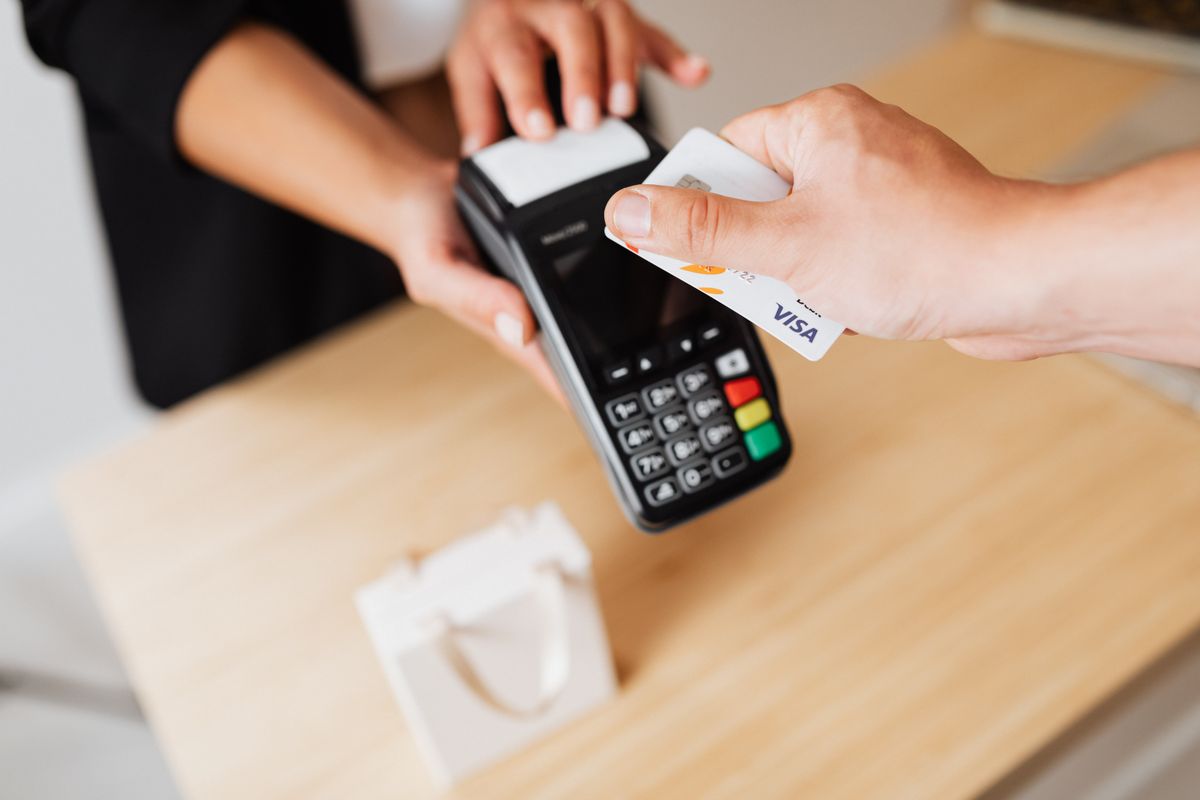
A rewards credit card can return a percentage of eligible purchases to the cardholder.
Depending on the card, rewards may arrive as cash back, statement credits, points, or travel miles.
Consider a household that spends $500 a month on eligible purchases using a card that offers 2% cash back on those purchases. That would generate $10 in rewards for the month, or $120 over a year if the spending and reward rate remained unchanged.
The household has not needed to buy anything extra to earn that amount. It has simply changed how it pays for existing expenses.
However, rewards rates differ between cards. Some offer a flat rate on eligible purchases, while others provide higher rewards in selected categories such as groceries, restaurants, or gasoline.
The card’s terms determine which purchases qualify.
Related: New Snap Rules, Same High Prices: How Low-Income American Families Are Coping
Putting Expenses on One Card Makes Tracking Easier
Another attraction of this strategy is having everyday spending recorded in one place.
Instead of checking several payment accounts to understand where household money went, cardholders can review one statement showing their purchases.
This can make it easier to identify recurring subscriptions, compare monthly grocery spending, and notice unfamiliar transactions.
For example, a household might discover that it is still paying for a streaming service nobody regularly uses. Seeing recurring charges together can make those expenses easier to identify.
However, convenience does not eliminate the need to review statements. Households should still check transactions, confirm bill amounts, and report unauthorized charges promptly.
Paying the Full Statement Balance Is What Makes the Strategy Work
This is arguably the most important part of the entire approach.
Credit cards are borrowing tools. If a cardholder carries a balance and incurs interest, those charges can quickly outweigh the rewards earned.
The Consumer Financial Protection Bureau explains that many credit cards provide a grace period on purchases. When the cardholder qualifies for that grace period and pays the full balance by the due date, they can generally avoid interest on those purchases.
But the grace period is not guaranteed on every card, and its conditions matter.
For households using this strategy, paying the full statement balance is very different from paying only the minimum amount.
Someone who earns $15 in cash back but pays substantially more than that in interest has not benefited financially from the arrangement.
Not Every Household Bill Belongs on a Credit Card
A common mistake is assuming that every recurring expense should automatically be moved to a rewards card.
Some companies accept credit cards without charging an additional fee. Others impose convenience or processing fees.
Rent, mortgage payments, certain utility bills, and tax payments may involve additional charges depending on the provider and payment method.
Consider a household paying a $100 bill through a service that charges a 3% processing fee. That fee amounts to $3. If the credit card earns only 2% cash back, or $2 on the transaction, the household loses $1 by using the card.
The actual figures will depend on the provider and the card’s rewards terms, but the principle is straightforward: a reward is not worthwhile when the cost of earning it is higher.
Before moving a recurring payment, check whether the company charges a card-processing fee.
Automatic Payments Can Help Prevent Missed Due Dates
Managing several household expenses can be difficult, especially when bills have different due dates.
Some cardholders use automatic payments to pay their credit card statement balance from a checking account each month.
This can reduce the chance of forgetting a due date, as long as the account has enough money to cover the payment.
However, automatic payments should not be treated as something that can be ignored once activated.
The Federal Trade Commission advises consumers to review statements and monitor automatic debits because payment amounts can vary and incorrect withdrawals can occur.
A household should also maintain enough money in its checking account to avoid overdrafts or returned payments.
Automation can make bill management easier, but it does not replace checking the account.
One Card Does Not Automatically Mean More Savings
It is tempting to believe that putting every expense on one card will always produce the greatest possible rewards.
That is not necessarily true.
Some cards offer higher cash-back rates in specific spending categories, while others have annual fees or limits on how much a customer can earn.
A household with substantial grocery spending might get a better return from a card that offers a higher grocery rewards rate than from one that offers the same flat percentage on every purchase.
Reward-program conditions also matter. Points may have different redemption values, promotional rewards may expire, and some purchases may not qualify.
The simplest payment arrangement is not always the one that produces the highest return.
For households that value convenience, however, having one card may still be preferable to managing several rewards programs.
This Strategy Is Not Suitable for People Who Carry Credit Card Debt
A key difference exists between using a credit card as a payment tool and relying on it to finance household expenses.
A family that already carries a month-to-month balance should be cautious about adding more purchases just to earn rewards.
Interest charges can make the arrangement expensive, and the temptation to spend more because a purchase earns points can create additional financial pressure.
For households dealing with high living costs, irregular income, or unexpected expenses, paying cash or using a debit card may offer more control.
There is nothing wrong with choosing a payment method that makes it easier to stay within a budget.
The goal should be to manage existing expenses responsibly, not find another reason to use borrowed money.
A Simple Monthly Check Can Keep the System Under Control
Households considering this approach can start by reviewing their existing expenses rather than immediately transferring every bill to a credit card.
A few practical checks can make a difference:
- Identify recurring expenses that accept credit cards without additional fees.
- Read the card’s rewards terms and check which purchases qualify.
- Confirm that the monthly budget can cover the entire statement balance.
- Set a payment reminder or set up automatic payments for the full statement balance.
- Review transactions regularly for unfamiliar charges.
- Watch for annual fees and changes to rewards programs.
These steps do not guarantee a particular amount of cash back, but they help households understand the actual costs and benefits of the arrangement.
The Real Benefit Is Getting Something Back Without Spending More
Using one rewards credit card for regular household expenses can be a practical arrangement for people who already pay their balances in full.
It can simplify expense tracking and provide cash back or points on eligible purchases that would have happened anyway.
But the strategy is not free money. Interest, processing fees, annual charges, missed payments, and unnecessary purchases can quickly reduce or eliminate the benefit.
The households most likely to benefit are those treating the credit card as a convenient payment method rather than an extension of their income.
Ultimately, earning a few dollars in rewards is only worthwhile when the household is not paying more to get them.