New York Braces for Life-Threatening Heat Wave as Temperatures Near 110°F Across Multiple Regions
New York is entering one of its most intense heat events of the summer, with officials warning that “feels-like” temperatures could reach 110°F across parts of the state as a prolonged heat dome settles in for several days. Governor Kathy Hochul has urged residents across all 62 counties to prepare immediately, as dangerous heat builds from Tuesday through Thursday and continues affecting some regions into late week.
This unfolding weather system is not a brief summer spike. It is a multi-day, high-humidity heat wave affecting millions across Western New York, the Hudson Valley, Long Island, New York City, and upstate regions simultaneously, placing sustained pressure on public health systems, infrastructure, and emergency services.
Heat Index Expected to Reach 100–110°F Across Large Portions of New York.
Meteorologists are tracking a sharp escalation in conditions over the next 72 hours. Heat index values are expected to rise from the 90s on the first day to potentially 100–110°F by midweek, driven by increasing humidity and stagnant air masses that trap heat near the surface.
On the first day of the event, Eastern New York and New York City are expected to experience temperatures in the upper 80s to mid-90s, while Western New York may already approach or exceed 100°F in some locations. By the second day, much of the state is forecast to enter the 95–105°F range. By the peak of the event, isolated areas could experience heat index values approaching 110°F.
Extreme Heat Watches are already in effect across the Capital Region, Long Island, Mid-Hudson Valley, New York City, Mohawk Valley, and Southern Tier, signaling a high likelihood of dangerous conditions within 24 to 48 hours.
Why This Heat Wave Is Different: Duration, Humidity, and Lack of Overnight Relief
Unlike short-lived heat spikes, this event is defined by its duration and the lack of meaningful overnight cooling. Temperatures are expected to remain elevated even after sunset, preventing the body from recovering from daytime heat exposure.
Overnight lows are forecast to remain in the mid to high 70s°F, and in urban areas, the heat index may stay above 80°F through the night. Humidity levels are expected to remain between 60% and 75%, which significantly reduces the body’s ability to cool itself through sweating.
This creates a compounding heat effect, in which each day begins with residual warmth from the previous one, increasing cumulative stress on the body and infrastructure.
Health Risks Expected to Rise Within 48 to 72 Hours of Peak Heat
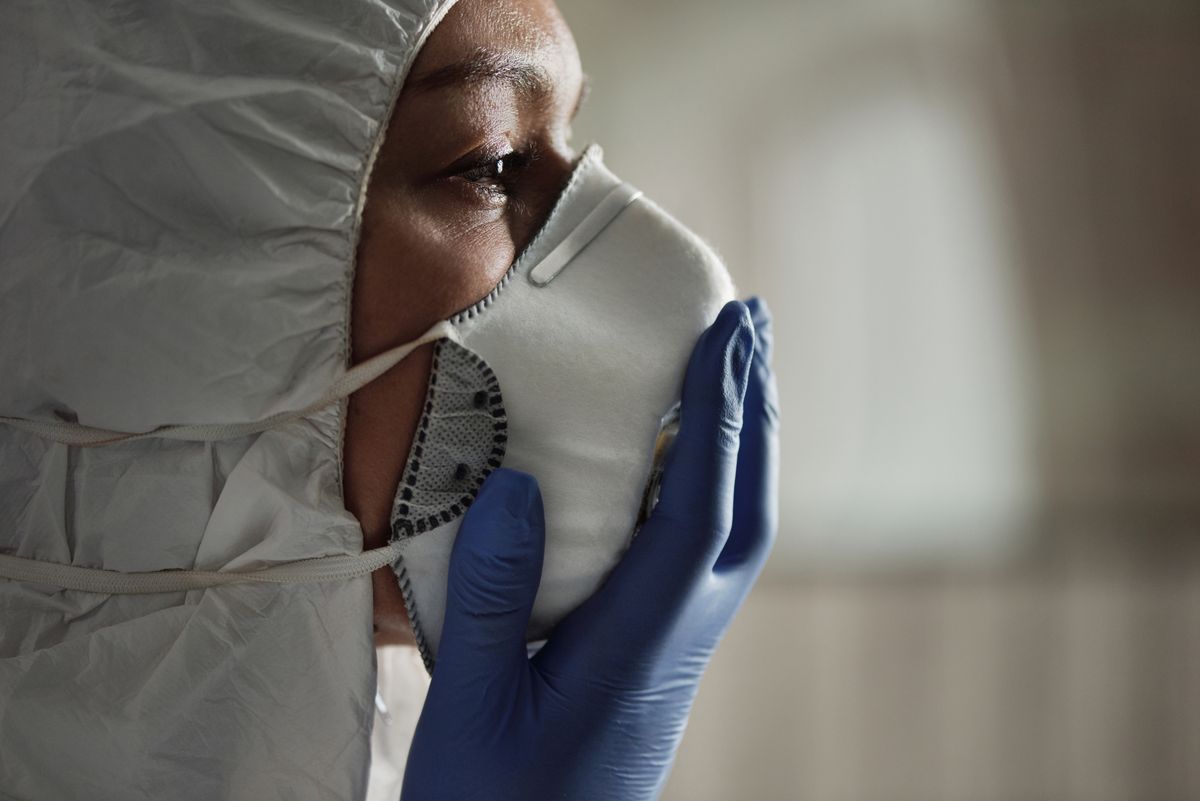
Public health experts consistently observe that emergency room visits increase sharply within two to three days of sustained extreme heat. This pattern is especially concerning for vulnerable populations, including older adults, young children, outdoor workers, and individuals with chronic medical conditions.
Older adults face heightened risks due to reduced thermoregulation and underlying health conditions. Young children are more susceptible to rapid dehydration and heat exhaustion. Outdoor workers and athletes experience prolonged exposure that can quickly overwhelm the body’s cooling systems. Individuals with respiratory or cardiovascular conditions are at increased risk of complications when temperatures and humidity remain elevated.
Heat remains the leading cause of weather-related deaths in the United States, with most fatalities occurring when cooling is unavailable or when symptoms are not recognized early.
Urban Heat Islands Intensify Conditions Across New York City and Surrounding Areas
Urban regions across New York City, Long Island, and Westchester are expected to experience significantly higher apparent temperatures due to the urban heat island effect. Dense concentrations of asphalt, concrete, and steel absorb and retain heat throughout the day, releasing it slowly at night.
In these areas, perceived temperatures may be 5 to 10°F higher than surrounding regions. Subway platforms, rooftops, and paved surfaces can reach extreme levels, with surface temperatures exceeding 120°F during peak afternoon hours. Many residential buildings, particularly older or poorly ventilated structures, may retain heat overnight, preventing indoor spaces from fully cooling.
This creates a situation where both outdoor and indoor environments remain unsafe for extended periods.
Statewide Cooling Response Expands Across Multiple Regions
New York State has activated an extensive network of cooling centers, extended pool hours, and public safety facilities to help residents manage the heat. State parks and swimming areas across more than a dozen regions have extended operating hours, including locations in Western New York, the Finger Lakes, Hudson Valley, Long Island, Central New York, and New York City.
Cooling centers are being opened in coordination with local governments to provide air-conditioned spaces for residents without access to home cooling systems. Emergency management agencies are also working with utilities to ensure grid stability and maintain essential services during peak demand periods.
This coordinated response is designed to reduce heat-related emergencies by increasing access to safe cooling environments during the most dangerous hours of the day.
Pets, Children, and Vehicles: Rapid Heat Buildup Creates Critical Risk
Vehicle interiors can become life-threatening within minutes in extreme heat. Even when parked in partial shade, a car’s internal temperature can rise by approximately 20°F in just ten minutes and may reach 130 to 150°F within an hour.
Children are particularly vulnerable because their bodies heat up significantly faster than adults’. Pets also face a high risk of rapid overheating, especially in enclosed or poorly ventilated spaces. Heatstroke can develop in both children and animals within minutes under these conditions.
Officials continue to emphasize that children and pets should never be left unattended in vehicles, even for a brief time.
Energy Grid Faces Elevated Demand as Cooling Needs Surge
Electricity demand across New York is expected to increase sharply as residents rely heavily on air conditioning and cooling systems. Forecasts suggest a potential 15 to 25 percent rise in peak energy consumption during the hottest afternoon hours.
Approximately 5,500 utility workers are on standby to respond to outages, system stress, and localized disruptions if they occur. State regulators have also implemented protections to prevent utility shutoffs during extreme heat events, ensuring continued access to electricity for vulnerable households.
While the grid is currently considered stable, officials caution that localized strain may still occur during peak usage periods, particularly between mid-afternoon and early evening.
Daily Heat Risk Peaks Between Late Morning and Early Evening
The most dangerous exposure window occurs between late morning and early evening, when heat, humidity, and solar radiation combine to produce peak environmental stress. During this period, pavement temperatures reach their highest levels, air quality may worsen due to ozone formation, and emergency calls typically increase.
This timeframe is considered the critical danger zone for heat-related illness. Limiting outdoor activity, seeking shade, and staying hydrated during these hours significantly reduce risk.
Public Safety Guidance for Extreme Heat Conditions

Health officials recommend consistent hydration throughout the day, even before thirst develops, as a primary defense against heat-related illness. Residents are encouraged to take frequent breaks in shaded or air-conditioned environments and to avoid strenuous outdoor activity during peak heat hours.
Checking on elderly neighbors, relatives, and individuals living alone is strongly encouraged, as social isolation is a key risk factor during prolonged heat events. Indoor environments should be kept as cool as possible by limiting heat-generating appliances and using air conditioning or cooling centers when available.
Outlook: Multi-Day Heat Stress Period Expected Before Gradual Relief
Forecast models indicate that the most intense heat will persist for approximately two to three days, with gradual moderation expected afterward. However, elevated humidity may continue to produce uncomfortable conditions even after peak temperatures decline.
New York remains in a high-risk heat-stress period, in which sustained environmental pressure affects health systems, infrastructure, and daily life across the entire state.