Police Warning: The Terrifying Reason You Should Never Throw Away Your Amazon Boxes As-Is
A discarded Amazon box can look harmless. It is just cardboard, tape, and a shipping label headed for the recycling bin. But to a thief, that same box can read like a public announcement. It may indicate that a household recently bought electronics, appliances, baby products, gaming gear, luxury items, home office equipment, or other goods that could be stolen. That is why police and safety experts repeatedly warn residents not to place branded delivery boxes outside the home without first breaking them down, hiding the labels, and removing any personal information.
We often think the danger ends once the package is safely inside. In reality, the risk can continue after the box is empty. A large branded box left beside the curb can tell criminals three important things: someone shops online often, valuable goods may now be inside the home, and the household’s name and address may be visible on the label. That is more information than any stranger should be able to collect from a recycling pile.
The issue is especially serious in neighborhoods where bins sit on sidewalks, apartment trash areas are shared, or recycling is collected only once a week. A box can sit outside for hours or days, giving passersby, porch pirates, burglars, and identity thieves time to look, photograph, scan, or simply remember what they saw.
The Shipping Label Is the Real Problem
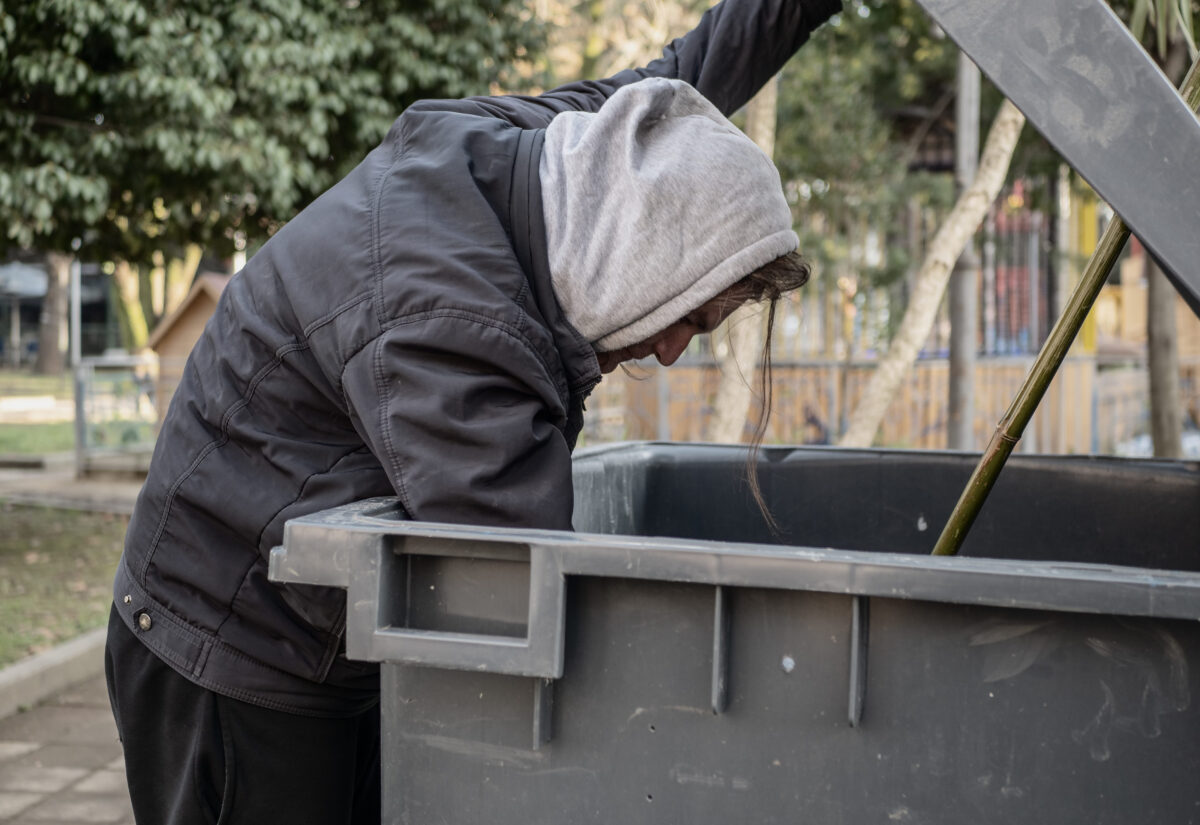
The biggest mistake many households make is flattening the box but leaving the shipping label attached. That label can contain a name, home address, barcode, tracking number, delivery route information, and sometimes other account-linked details. Even when the label seems ordinary, it can still indicate where a person lives, which name is associated with the residence, and how frequently packages arrive.
That information may not be enough on its own to steal an identity, but criminals rarely rely on a single piece of data. They build profiles from many small clues. A name from a box, a visible address, a social media profile, a public phone number, and a leaked email address can become part of a larger fraud attempt. Once personal data begins connecting across sources, the risk becomes far more serious.
This is why the Federal Trade Commission advises consumers to shred or destroy sensitive documents and protect personal information before disposal. A shipping label is not the same as a tax form or bank statement, but it still belongs in the category of household information that should not be casually displayed.
Your Trash Can Advertise What Is Inside Your House
Burglars do not always pick homes randomly. Many look for signs that a property is worth targeting. An empty television box, gaming console box, computer monitor box, laptop packaging, sound system box, stroller box, or premium appliance box can act like a street-level inventory list.
A home with a visible box for a new television may look more appealing than a home with plain trash bags. A porch with repeated Amazon packaging may signal frequent deliveries. A recycling pile filled with branded boxes may suggest that residents often buy online and have more valuable items indoors.
The risk grows during high-shopping periods such as Black Friday, Cyber Monday, Christmas, back-to-school season, Prime Day-style sales, and moving season. During those periods, delivery volume rises, households receive more packages, and thieves know many homes are full of new purchases. An empty box at the curb becomes more than waste. It becomes a clue.
Porch Pirates Watch Patterns, Not Just Packages
Package theft is not only about a thief grabbing a box from a porch. It can involve watching delivery patterns. A criminal may notice that packages arrive at a home every Tuesday afternoon, that nobody collects them for several hours, or that a resident regularly leaves Amazon boxes outside overnight.
Discarded boxes can confirm those patterns. They tell thieves that online orders are common at that address. They may also show which delivery services are used and how often packages arrive. In apartments, shared mailrooms and trash areas make the problem worse because packaging can reveal shopping habits to nearby residents, visitors, maintenance workers, delivery drivers, and anyone with access to the building.
A visible box does not guarantee a burglary or theft. But it removes mystery. It gives criminals information they did not have before. Good home safety often depends on doing the opposite: reducing what strangers can learn at a glance.
Identity Theft Can Begin With Small Details
Identity theft is often imagined as a high-tech crime involving hacked accounts, stolen passwords, or massive data breaches. Those threats are real, but old-fashioned information gathering still matters. Names, addresses, phone numbers, package labels, mail, receipts, and discarded paperwork can help criminals impersonate someone or answer basic verification questions.
A shipping label may expose enough information to support phishing attempts. For example, a scammer who knows a person recently received packages may send a fake delivery message claiming there is a problem with an order. Because the message feels timely and believable, the victim may be more likely to click a link or share payment information.
This is where the danger becomes more modern. The box itself may be physical, but the scam that follows can be digital. A criminal does not need to break into a house if they can trick the resident into handing over account access, payment details, or personal information online.
The Safest Way to Throw Away Amazon Boxes
The safest habit is simple: break down the box, remove or destroy the label, and hide branded packaging before disposal. That means more than folding the cardboard flat. The label should be peeled off, cut up, blacked out, shredded, or torn through the name, address, barcode, and tracking number.
For larger boxes, especially those from expensive items, it is better to cut the packaging into smaller pieces and place it inside a recycling bin rather than leaving the full box visible on the curb. If the item was high-value, the packaging should be concealed inside another container or bag until collection day.
A plain cardboard panel tells strangers very little. A full box with a visible brand, product description, shipping label, and delivery sticker tells them too much.
What We Should Remove Before Recycling a Delivery Box
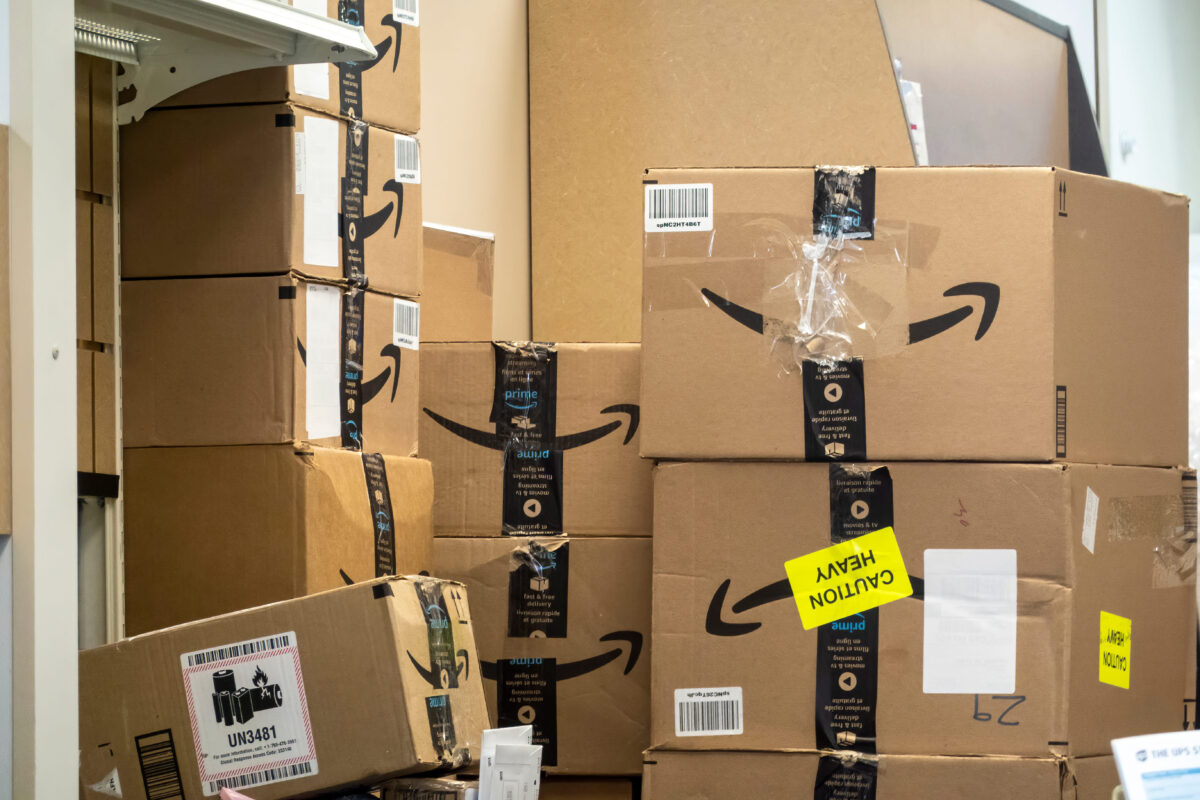
Before throwing out any Amazon box, we should check for every label and sticker. Many packages have more than one. There may be a main address label, a smaller barcode label, a warehouse sticker, a return label, or a product label still attached to the packaging.
The safest approach is to remove anything that shows:
Your full name
Your street address
Your apartment or unit number
Tracking numbers
Barcodes or QR codes
Order labels
Return labels
Product descriptions
Retailer branding on expensive goods
If the label will not peel off cleanly, it can be covered with a thick marker, scratched out, soaked, cut away, or shredded. The goal is not perfection. The goal is to make the information useless to anyone quickly scanning the trash or recycling.
Apartment Residents Face a Higher Risk
People living in apartments, condos, student housing, and shared buildings should be especially careful. In those settings, trash rooms and recycling areas are often accessible to many people. A box left beside a shared bin may be seen by neighbors, visitors, delivery workers, cleaners, contractors, and strangers who enter the building.
Apartment labels also expose unit numbers, which can make targeting easier. A thief who sees a box containing expensive electronics with a unit number does not need to guess which door the item was delivered to. That is why apartment residents should avoid leaving branded packaging intact in shared disposal areas.
The smarter move is to remove all labels inside the apartment, fully break down boxes, and place the cardboard deep inside the recycling container instead of leaning it against the bin. If the bin is full, keeping the box indoors until the next collection is safer than leaving it exposed.
Holiday Boxes Are Especially Dangerous
The danger rises sharply after major gift-giving holidays. A pile of boxes from televisions, tablets, toys, gaming consoles, smart devices, kitchen appliances, and luxury goods can tell burglars exactly what a household received. This is why police warnings about discarded boxes often increase around Christmas and New Year’s.
The week after the holidays is one of the worst times to advertise new purchases. Families may also be traveling, visiting relatives, or spending time away from home, which adds another layer of risk. An empty box outside can suggest both valuable items inside and a household distracted by holiday schedules.
A better habit is to cut boxes into small sections, place them inside opaque bags if local recycling rules allow, or take them directly to a recycling center. The fewer clues left at the curb, the better.
Amazon Boxes Are Not the Only Risk
Although Amazon boxes get most of the attention because they are common and recognizable, the same rule applies to all delivery packaging. Boxes from Walmart, Target, Best Buy, Apple, Samsung, Wayfair, Chewy, Home Depot, Lowe’s, Nike, and other retailers can expose buying habits and household details.
Even plain boxes can be risky if the shipping label remains attached. Branded packaging creates one kind of danger: it advertises what may be inside the home. Personal labels create another: they expose information about the resident. The safest disposal routine addresses both problems.
That means we should treat every delivery box as a small privacy risk until the label is destroyed and the packaging is no longer recognizable.
How to Protect Deliveries Before They Become Trash
Safe disposal matters, but prevention begins earlier. Households can reduce risk by using delivery lockers, pickup counters, package lockboxes, garage delivery options, signature confirmation, workplace delivery, or scheduled delivery days when someone is home.
Security cameras and doorbell cameras can also discourage theft, but they do not replace careful habits. A camera may record a thief after the crime happens. A hidden box, a removed label, and a secure delivery location can help prevent the crime in the first place.
We should also avoid posting delivery photos online if labels, addresses, or door numbers are visible. A social media photo of a new purchase can create the same problem as a box left on the curb. It tells strangers what was bought and sometimes where it was delivered.
A Simple Two-Minute Habit Can Protect Your Home
The safest rule is easy to remember: never throw away an Amazon box as-is. Before it leaves the house, remove the label, destroy the barcode, flatten the cardboard, and conceal packaging from expensive purchases. Those few minutes can reduce the chance of theft, burglary, fraud, and unwanted attention.
We do not need to live in fear of every cardboard box. But we should stop treating delivery packaging as harmless the moment the item is removed. In a world where online shopping is routine, our trash can reveal more than we realize.
A box at the curb may look empty to us. To the wrong person, it may look like an invitation.
Final Safety Reminder
Before recycling or throwing away any Amazon box, we should ask one simple question: what could a stranger learn from this? If the answer includes our name, address, shopping habits, expensive purchases, delivery schedule, or household routine, the box is not ready for the curb. Destroy the label. Break down the box. Hide the brand. Protect the home.
That small habit can make a big difference.