Remember the Wendy’s SuperBar? Here’s Why the Buffet Disappeared
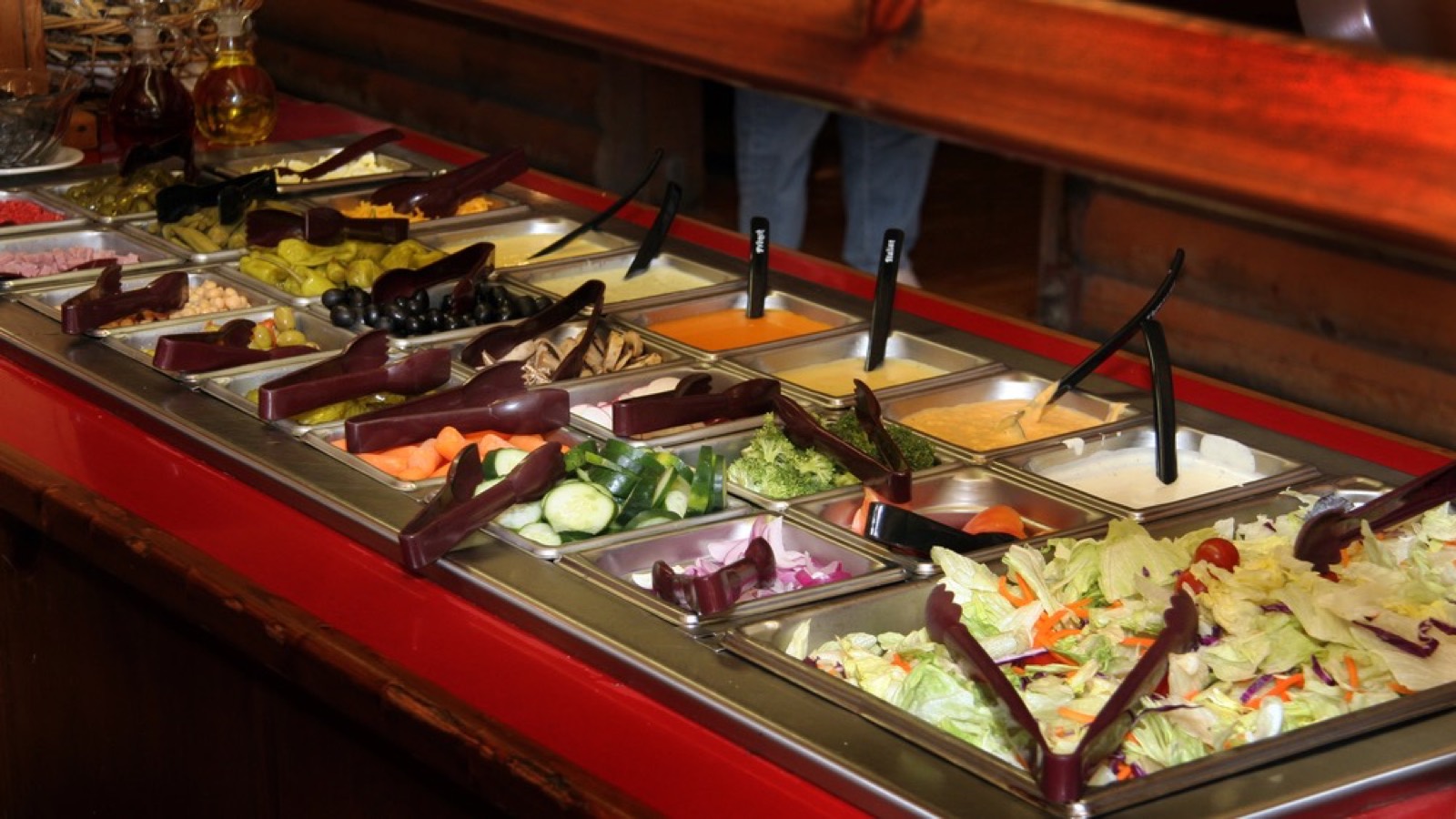
For a lot of families in the late 1980s and 1990s, a trip to Wendy’s didn’t just mean a square hamburger and a Frosty. It meant grabbing a plate and heading to the SuperBar, a long, gleaming buffet where you could pile on salad, pasta, taco fixings and pudding for just a few dollars.
Kids thought it was the most exciting thing a fast-food restaurant had ever done. Parents liked that everyone could eat as much as they wanted without breaking the budget. For about a decade, the SuperBar was one of the most talked-about features in fast food.
Then, almost as quickly as it arrived, it was gone. If you remember standing in front of those sneeze guards with a plastic plate in your hand, here’s a look back at what the SuperBar offered, why people loved it so much and why Wendy’s eventually let it go.
How Wendy’s Got Into the Salad Bar Business
Wendy’s was founded by Dave Thomas in Columbus, Ohio, in November 1969, and it quickly built a reputation for fresh, never-frozen beef and made-to-order burgers. According to Wendy’s history, the chain grew fast through the 1970s and was looking for ways to stand out from bigger rivals like McDonald’s and Burger King.
Salad bars were a big trend in sit-down restaurants at the time, and Wendy’s brought the idea into fast food with a self-serve salad bar. It was a smart move. It attracted adults who wanted something lighter than a burger and fries, and it gave families more choices when they ate out together.
The SuperBar Arrives
In the late 1980s, Wendy’s took its salad bar and turned it into something much bigger. The SuperBar was an all-you-can-eat buffet that, according to Snopes, sold for about $2.99 and ran from roughly 1988 to 1998. For that price, customers could go back for seconds and thirds as many times as they liked.
The buffet was divided into themed stations. The Garden Spot held salad greens, toppings, fruit and dressings. Pasta Pasta offered spaghetti, fettuccine Alfredo, sauces and garlic breadsticks. The Mexican Fiesta station had taco shells, tortillas, seasoned meat, cheese sauce and all the fixings for build-your-own tacos and nachos. Many locations also had pudding and other simple desserts.
Why Families Loved It
The SuperBar felt like a bargain in an era when eating out was still something of a treat. A family of four could fill up for not much more than the cost of a few combo meals, and picky eaters could choose exactly what they wanted. Kids who refused to eat salad could load up on spaghetti, while parents made themselves a taco salad.
Teenagers on a budget loved it, too. For a few dollars, a group of friends could sit in a booth for an hour, refilling their plates and their soft drinks. It was one of the cheapest ways to eat until you were stuffed, and many high school students treated it as a regular after-game hangout.
It also felt a little like a sit-down restaurant without the waiter and the tip. People lingered longer, went back to the bar several times and made a whole meal out of it. Many grown-ups who were kids at the time still remember the thrill of being allowed to serve themselves, especially the chocolate pudding.
The Problems Behind the Sneeze Guard
As popular as it was with customers, the SuperBar was a headache to run. Food on a buffet has to be kept at safe temperatures, refilled constantly and thrown out after a certain amount of time. That meant more staff, more waste and more cost for each restaurant.
Fast-food kitchens were built for speed, not for keeping trays of pasta, cheese sauce and fresh fruit stocked all day long. Accounts from food writers, including a look back by Mental Floss, point to the expense and effort of maintaining the buffet as the main reasons it didn’t last. A lot of food had to be tossed at the end of the day, especially at slower locations.
The Drive-Thru Changed Everything
At the same time, the way Americans ate fast food was shifting. More and more customers were using the drive-thru instead of coming inside. Busy families wanted to grab dinner on the way home, not sit down at a buffet. A self-serve bar that only worked for people eating in the dining room made less and less sense.
Fast-food chains in the 1990s were focused on speed, value menus and getting cars through the line faster. A buffet that slowed down the kitchen and tied up workers didn’t fit that plan. By 1998, Wendy’s had phased out the SuperBar, and the chain eventually dropped its salad bars altogether in favor of pre-made salads.
What Took Its Place
Instead of a buffet, Wendy’s moved toward menu salads that were made in the kitchen and handed over in a container. The chain introduced its Garden Sensations line of salads in the early 2000s, aiming at customers who wanted fresh greens without the self-serve setup. Those salads could go through the drive-thru just like a burger.
It was a practical change, but plenty of longtime customers felt something was lost. A pre-packed salad might be convenient, but it didn’t have the fun of building your own plate exactly the way you liked it. The SuperBar had made a fast-food stop feel like a small outing.
Why People Still Miss It
Today, the SuperBar has become one of those little rituals from the ’80s and ’90s that people bring up with real fondness. Social media posts about it get flooded with comments from people who remember the taco station, the breadsticks and the pudding cups.
Part of the nostalgia is about the food, but a lot of it is about the time. It was a period when going out for fast food felt like a family event, when kids could pick their own dinner and when $2.99 bought you all you could eat. Those memories are hard to recreate in a drive-thru lane.
Could It Ever Come Back?
Every so often, fans call on Wendy’s to bring the SuperBar back, at least for a limited time. There’s no sign that’s happening. Food safety rules, labor costs and the way people order fast food today all make a buffet a tough sell for a chain built around speed.
Still, the SuperBar remains a fond memory for a whole generation. Did your family go to Wendy’s for the SuperBar? And which station did you head to first, the salads, the pasta or the tacos?