Never Made Polenta? This Creamy Mushroom Bowl Makes a Delicious First Impression
Polenta can sound like something you order confidently at a restaurant and quietly avoid making at home. In this creamy mushroom version, however, the starting point is reassuringly ordinary: cornmeal, water, salt, and a saucepan. A skillet of mushrooms, garlic, shallot and sage turns that simple base into a savory dinner. No dough to knead, no sauce to strain, and no need to buy expensive mushrooms before trying it.
The recipe comes from professional chef, former restaurant owner, and caterer Sylvia Fountaine of Feasting at Home. “I have been making this creamy mushroom polenta for years in my catering business and in our vegetarian restaurant,” she writes. Her method begins by whisking cornmeal into cold water, then cooking it gently until creamy. That gives beginners a clear sequence to follow instead of improvising through an unfamiliar dish.
Fountaine’s recipe card lists 10 minutes of preparation, 20 minutes of cooking and three to four servings. Treat the 30-minute total as a guide, not a guarantee: she notes that medium-ground cornmeal takes longer to cook than fine-ground. Cook the mushrooms while the polenta simmers to keep dinner moving. The most useful goal is the right texture, not beating the clock by serving grains that have not finished softening.
Start With Cornmeal, Not a Complicated Shopping List
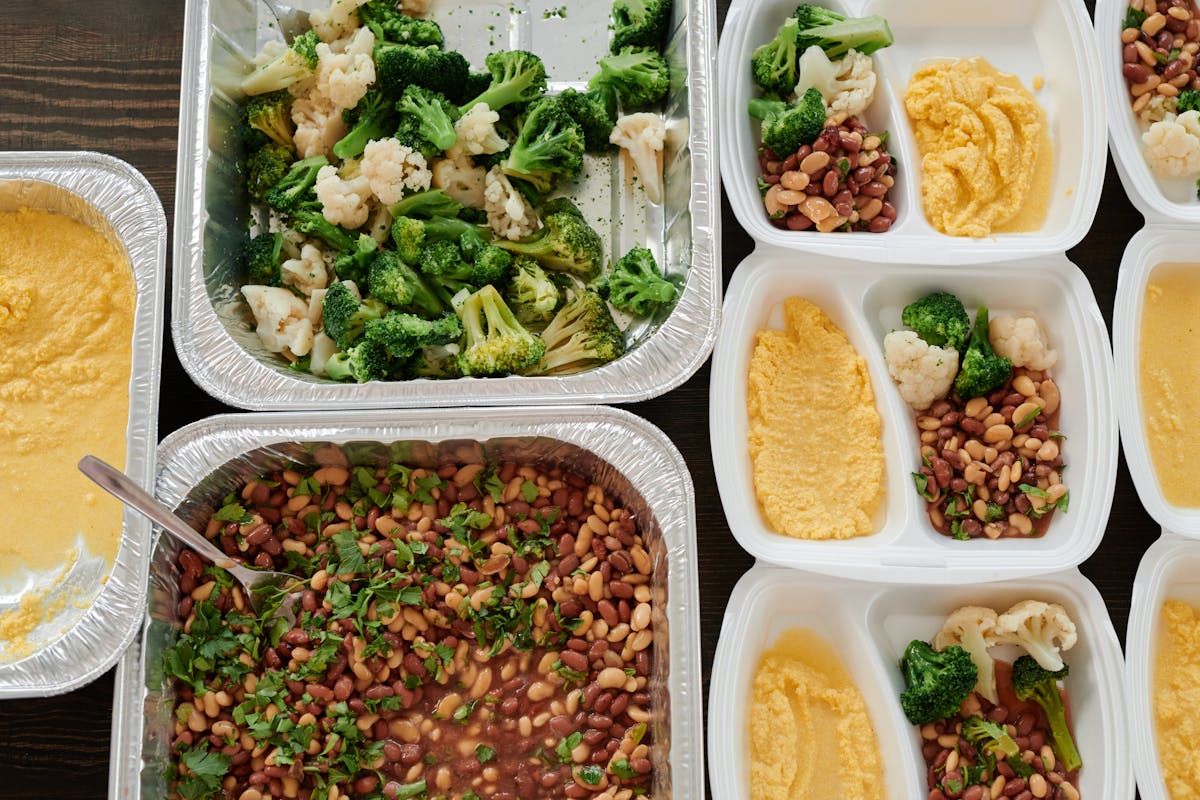
Polenta is a dish made by cooking ground corn into a soft mixture; for this recipe, Fountaine specifies fine- or medium-ground cornmeal. You need 1 cup, plus 3½ to 4 cups cold water, ¾ teaspoon salt, and 2 tablespoons olive oil or butter. Finish the base with black pepper, and add ¼ to ½ cup cheese if desired. She suggests parmesan, pecorino, and goat cheese, but the dish doesn’t need cheese to be creamy.
For the topping, gather 3 cups cleaned mushrooms, 1 diced shallot, 2 to 4 roughly chopped garlic cloves, and 1 tablespoon chopped fresh sage. You will also need olive oil to fry whole sage leaves and cook the mushrooms. The recipe lists 12 whole sage leaves for that crisp garnish, plus optional wine and truffle oil. Those extras add finishing touches; they aren’t required to understand how to make the basic dish.
The mushroom choice is flexible, which is good news if your supermarket has a modest selection. Fountaine likes wild varieties such as chanterelles, but also recommends shiitake, oyster, portobello, cremini, and ordinary button mushrooms. “Even simple button mushrooms, work great too!” she writes. That removes one unnecessary hurdle: you can learn the method with familiar store-bought mushrooms rather than waiting for a specialty-market expedition.
Clean the mushrooms by wiping away dirt with a damp paper towel or clean cloth, following Fountaine’s guidance. Cut larger mushrooms into manageable pieces; in response to a reader, she advises cutting them when they’re big and keeping the pieces bite-sized. Have the shallot, garlic and herbs ready before heating the skillet. This prep lets you focus on the cooking instead of chopping garlic while something else threatens to burn.
Related: 9 Beloved Foods That Began as Poverty Staples
Gentle Heat and a Little Patience Make the Base Creamy
Put the cornmeal, 3½ cups cold water, and salt into a heavy-bottomed saucepan or Dutch oven. Whisk them together into a slurry before turning on the heat. Cover the pot and heat over medium-high heat, stirring occasionally, until the mixture just simmers. Fountaine specifies that there is no need to bring it to a full boil. Whisk well again, cover and reduce the heat to low.
Cook the polenta for about 15 to 20 minutes, adjusting the timing based on the grind of your cornmeal. Fountaine describes the endpoint as grains that “open up” into a creamy mixture without lumps. Keep checking the texture rather than assuming thickening alone means it is ready. Fine-ground cornmeal cooks faster than medium-ground, so the same timer reading may produce different results with different packages.
If the mixture becomes thicker than you want, add more water to loosen it. The target here is creamy but not runny, with enough body to support the mushroom topping. Fountaine explains her preference clearly: “I like it creamy but not runny, so any toppings easily sit on top and don’t sink down.” That is a more useful visual guide than expecting every pot to need exactly the same final amount of liquid.
Once the grains are fully cooked, whisk in the olive oil or butter and any optional cheese. Fountaine specifically advises waiting until after the grains have cooked before adding the fat. Taste, adjust the salt, add black pepper, then turn off the heat and keep the pot covered while you finish the mushrooms. The order matters: cook the cornmeal first, then add the ingredients that enrich and season the finished base.
Brown the Mushrooms, Then Bring the Bowl Together

For the crisp sage garnish, heat 3 tablespoons olive oil in a large skillet over medium-high heat. Add the whole leaves, turn them after 15 to 20 seconds, and remove them just before they turn golden. Transfer them to a paper towel while you continue with the topping. This step adds a crisp element to the finished bowl, but it also requires attention: the leaves spend seconds in the oil, not several unattended minutes.
Lower the skillet heat to medium, then add the shallot, garlic, and mushrooms. Season with salt and pepper, then sauté for about seven to eight minutes, adjusting the heat as needed. The mushrooms will release liquid; let that moisture cook off so they can begin to brown. If using the optional two to three tablespoons of wine, add it then and let it cook off.
Stir in the chopped sage near the end and cook for another minute, then taste the mushrooms before assembling dinner. Spoon the warm polenta into bowls, top with the mushrooms, and finish with crisp sage leaves. Truffle oil is optional, not essential. Fountaine also suggests wilting baby spinach into the mushrooms toward the end or adding a poached egg for a more substantial variation.
The appeal is comfort, delivered through contrasting textures rather than an elaborate ingredient list: soft polenta, browned mushrooms, and a crisp herbal finish. Keep the first attempt close to the recipe, especially the cornmeal grind and cooking sequence, and let texture guide you. As Fountaine writes, the simple flavors allow the mushrooms to shine. That makes this bowl an inviting introduction to polenta, not a test you need restaurant experience to pass.