Why Americans Eat Turkey on Thanksgiving, and It Wasn’t Always the Main Event
Ask almost any American what’s for dinner on the fourth Thursday of November, and you’ll get the same answer: turkey. The golden bird on a platter is so tied to Thanksgiving that many people simply call it “Turkey Day.” Grocery stores stack them by the front doors weeks in advance, and families argue over the best way to roast, brine or fry them.
But turkey’s starring role wasn’t always guaranteed. The famous 1621 harvest celebration at Plymouth probably looked very different from the meal most families eat today, and turkey may have been only a small part of it, if it was there at all. It took centuries, a determined magazine editor and a president’s proclamation for turkey to become the undisputed king of the Thanksgiving table. Here’s how turkey earned its place, why it wasn’t always the main event and why so many families still couldn’t imagine the holiday without it.
What Was Really Served in 1621
Much of what we know about the first harvest feast comes from a short letter written by colonist Edward Winslow. He described how the governor sent four men out “fowling” so the colonists could celebrate together after the harvest, and how the Wampanoag leader Massasoit arrived with about 90 men, who went out and brought back five deer.
That means venison was almost certainly a major part of the meal. The “fowl” could have included ducks, geese and possibly wild turkeys, which were plentiful in the area. Colonist William Bradford later wrote that there were wild turkeys around Plymouth that fall, but no record says turkey was the centerpiece. Seafood, corn and native vegetables were likely on the table, too, while potatoes and pumpkin pie as we know them were almost certainly not.
Why the Myth Took Hold
The image of Pilgrims carving a giant turkey owes more to 19th-century paintings, school pageants and magazine illustrations than to the historical record. As Thanksgiving grew into a national holiday, artists and writers looked back at Plymouth and pictured it through the lens of their own family dinners.
Those images stuck. Generations of schoolchildren made paper Pilgrim hats and traced their hands to make turkeys, and the idea that the Pilgrims ate turkey became part of how Americans learned the story. Historians have spent decades gently correcting the record, but the picture remains a powerful one.
Thanksgiving Wasn’t a National Holiday for Centuries
After 1621, days of thanksgiving were held in New England and elsewhere for all sorts of reasons, from good harvests to military victories. They were often religious occasions marked by prayer and fasting as much as feasting, and their dates varied from colony to colony and later from state to state.
Over time, a fall thanksgiving dinner became a strong tradition in New England homes. Turkey, chicken pie, roast meats and puddings were common. But there was still no single national holiday, and no rule saying what had to be served.
The Woman Who Made Thanksgiving a National Holiday
The biggest push for a national Thanksgiving came from Sarah Josepha Hale, the influential editor of Godey’s Lady’s Book, one of the most widely read magazines of the 1800s. She campaigned for years, writing editorials and letters to politicians, urging the country to adopt a shared day of thanks.
Hale also helped shape what the meal looked like. In her 1827 novel “Northwood,” she described a New England Thanksgiving dinner with roasted turkey at the head of the table, along with many other dishes. Her magazine published recipes and descriptions that helped turn the roast turkey into the holiday’s signature dish in the minds of readers across the country.
Lincoln Makes It Official
In 1863, in the middle of the Civil War, President Abraham Lincoln issued a proclamation setting aside the last Thursday of November as a national day of thanksgiving. Hale had written to him urging that very step. After that, Thanksgiving was celebrated nationally every year.
As the holiday spread across the country, so did the New England menu that went with it. Turkey, stuffing, cranberries and pies became part of the national tradition. Families who had never celebrated the holiday before learned from magazines and cookbooks what a “proper” Thanksgiving dinner should include.
Why Turkey Made So Much Sense
There were practical reasons turkey won out. Turkeys were native to North America and widely available, both wild and on farms. A single large bird could feed a big family, which made it perfect for a holiday gathering.
Farm families also had good reasons to choose turkey over other animals. Chickens were valuable for their eggs, and cows were needed for milk, so they were usually kept rather than eaten for a holiday. A turkey raised for the table, on the other hand, was meant to be eaten, and fall was the natural time to do it.
Turkey Becomes a Big Business
By the 20th century, turkey farming had grown into a major industry, and breeders developed larger, meatier birds. Frozen turkeys made it possible for families everywhere to buy one at the grocery store, no matter where they lived.
Advertising, cookbooks and television added to turkey’s image as the Thanksgiving centerpiece. The White House turkey presentation, which began with the poultry industry presenting birds to presidents in the mid-20th century, became an annual photo opportunity, and the formal “pardon” became a tradition in 1989. Each of these helped cement turkey’s place in American culture.
Not Everyone Serves Turkey
Even today, turkey isn’t universal. Some families serve ham, roast beef, prime rib or a regional specialty alongside or instead of the bird. Others make tamales, lasagna or dishes from their own cultural traditions. Smaller households sometimes choose a turkey breast or a roasted chicken instead.
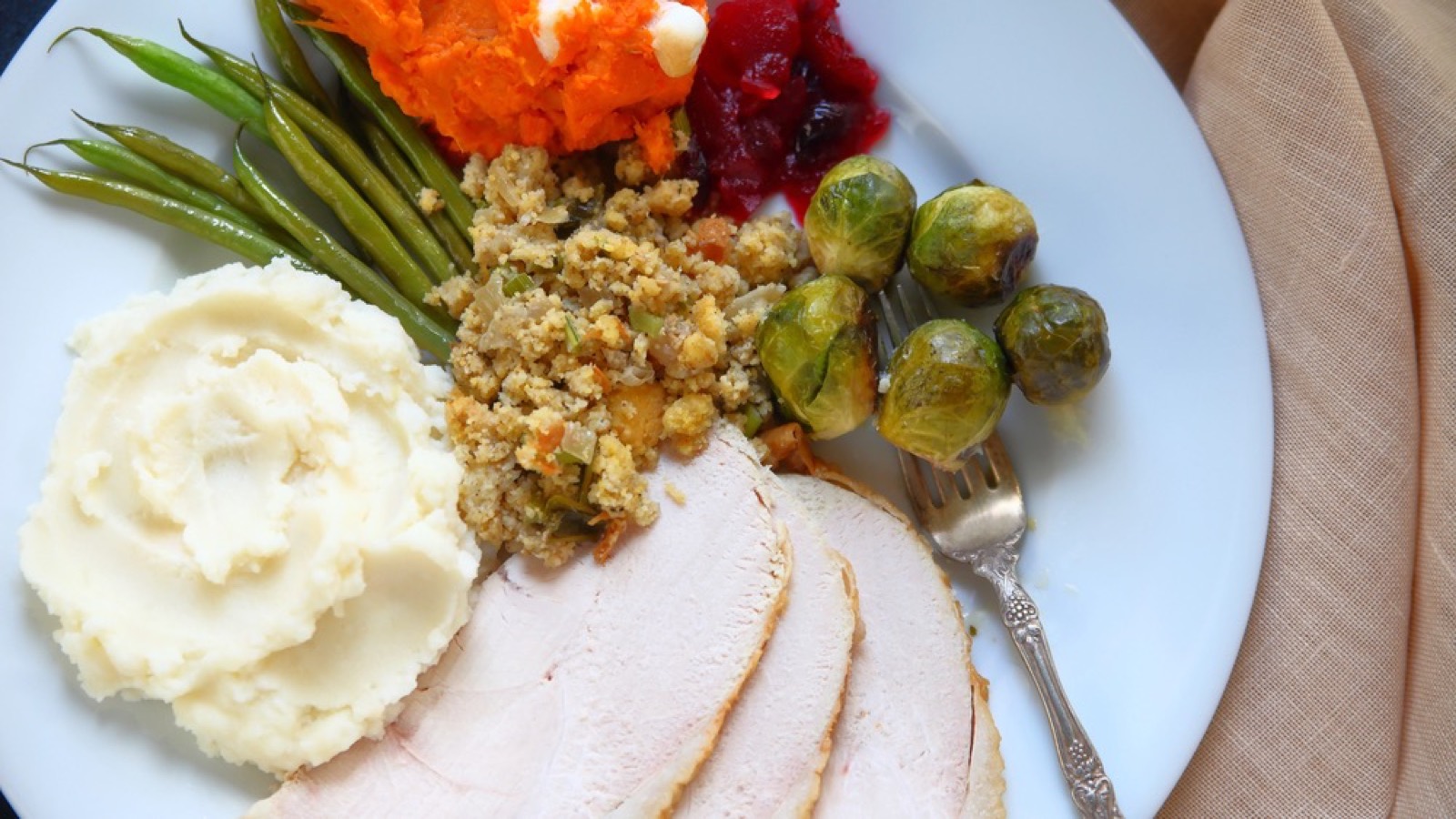
Still, turkey remains the clear favorite. For most Americans, Thanksgiving simply doesn’t feel complete without it, along with classic sides like stuffing, mashed potatoes and green bean casserole.
A Tradition Built Over Time
The Thanksgiving turkey is a good reminder that many traditions aren’t as ancient as they seem. What we think of as the “original” holiday meal was shaped over two centuries by writers, presidents, farmers and families. The 1621 harvest celebration may have featured venison, but the turkey won America’s heart in the end.
Does your family always serve turkey, or do you have a different main dish? And who in your family is in charge of cooking the bird?